The deputy minister of trade, industry and competition, Zuko Godlimpi, has welcomed stakeholders’ commitment to implement phase 2 of the Poultry Master Plan.
Godlimpi recently hosted the executive oversight committee meeting of the master plan together with the deputy minister of agriculture, Nokuzola Capa, in Bronkhorstspruit, Gauteng.
Representatives of the South African Poultry Association (SAPA), Association of Meat Importers and Exporters, Emerging Black Importers and Exporters South Africa, Food and Allied Workers Union, Astral Foods, Rainbow Chicken, Country Bird Holdings, Daybreak Foods, and the African Farmers Association of South Africa (Afasa) signed the agreement in which they expressed their commitment to working together towards achieving the objectives of the second phase of the plan.
Reducing imports, growing local production
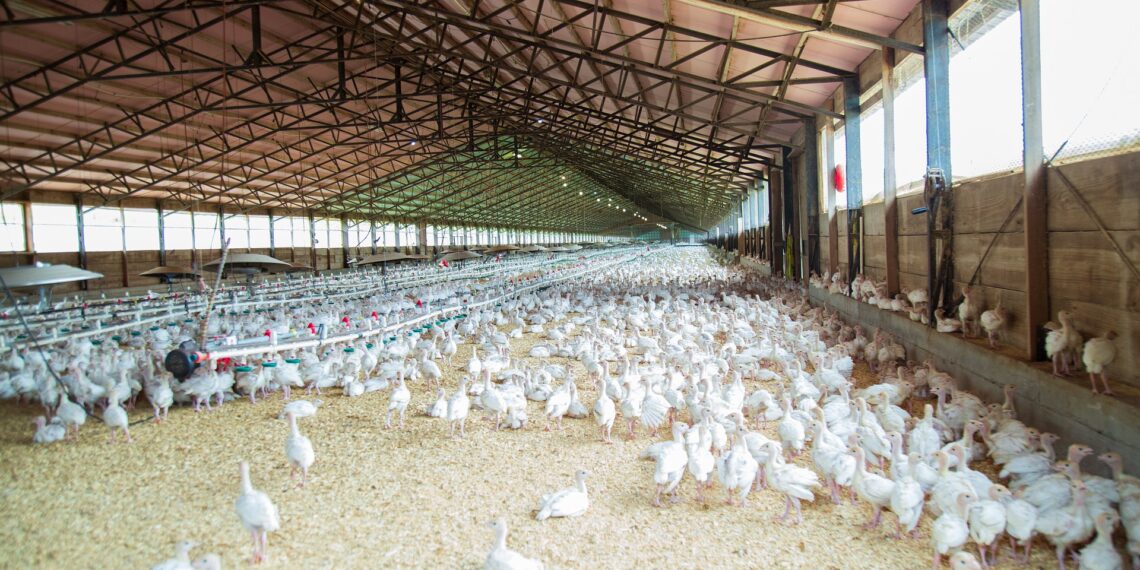
Godlimpi said the objective of their work, together with all the relevant stakeholders, was to ensure that the industry produced more chicken to meet the country’s demand and reduce imports.
“The long and short of it is that we do not want to import chicken from other countries anymore. We want local companies to grow more chickens. Part of what we are doing is to ensure that the chicken is produced by as diverse a group of South Africans as possible.
“We want big commercial South African farmers to produce and supply South Africa with chicken alongside small and rural farmers,” Godlimpi said.
He added that the partnership between the industry and the government has made good strides in improving chicken production in South Africa across the entire value chain, from the feed to the processing of chicken.
“We need to work together between government and you as the producers on the ground. The achievements of the first phase of the Poultry Master Plan bear testimony to what we can do when we work together. That our country’s slaughter rate has increased to 23 million birds per week, imports decreased to 22%, as well as the 9% export performance growth are shining examples.
Related stories
- Rainbow expert shares blueprint for poultry farming success
- Poultry industry on edge as winter bird flu threat looms
- Brazil cleared of bird flu, SA reopens poultry imports
- R512k boost helps EC youth launch animal healthcare businesses
“It means that if we maintain these levels of local production and export performance, we are close to shutting down the possibilities of foreign chickens coming to South Africa. It will not be easy, but with the kind of resilience that you have shown, there are possibilities that we can get it right,” Godlimpi said.
Goals of the second phase
He commended the stakeholders for signing the Phase 2 Master Plan Agreement, adding that it would continue to build on the achievements of the first phase.
He emphasised that the second phase aims to achieve poultry industry growth driven by exports of cooked meat and enhanced local demand, improved biosecurity to boost local production sustainability, facilitate export market access, as well as effective trade measures to support localisation and transformation.
“The achievements of these black farmers also confirm the amount of ground that we can cover when big commercial farmers are working together with small-scale farmers, with the support of government and its agencies. This is one model that requires to be replicated in all of the 52 district municipalities throughout the country,” he said.
READ NEXT: ‘Our power, our planet’: Farmers innovate to protect soil and water