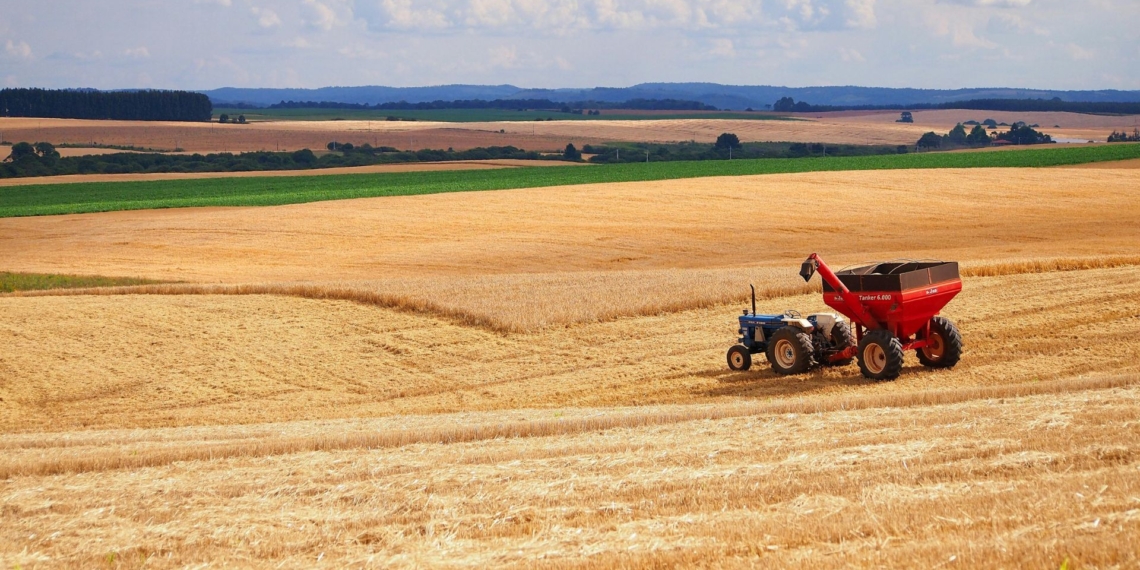
With over two months since the United States and Israel launched major airstrikes on Iran, the world has not been the same again, and South African agriculture had to reshape and navigate the storms of the geopolitical tensions.
Farmers are feeling this war where it hurts most in their pockets and their planning. Fertiliser is pricier, fuel keeps climbing, and markets feel shaky. This means tougher choices in the fields, slimmer margins, and a growing sense that every planting decision carries more risk than it used to.
Senior agricultural economist Wandile Sihlobo said the country was watching the worrying developments in the Middle East and the region was key to South Africa’s agriculture, both for exports and for its influence on oil, fertiliser and gas prices.
Impact on SA agricultural exports
“The conflict may also disrupt exports of various products to the region. For South Africa’s agriculture, the region is a key export market, accounting for an average of 8% of agricultural exports by value over the past 5 years. SA’s agricultural exports to the world market were at a record US$15.1 billion in 2025, up 10%y/y.
“From a product-specific perspective, citrus, apples and pears, beef, strawberries, goat and sheep meat, grapes, apricots, cherries, peaches, various nuts, and maize are some of the key agricultural products South Africa exports to this region,” he explained.
Sihlobo said trade matters will continue to dominate the conversation, and the refreshed economic diplomacy, with a sharper focus on trade.
Related stories
- Middle East war: Fuel, fertiliser hike could deal double blow to farmers
- Middle East war: Why food costs are set to soar
- AAMP drives growth but hurdles stall inclusive agriculture
- Fiscal gains won’t lift agriculture without logistics fixes
“The rising concerns about the impact of the Middle East conflict on energy and fertiliser prices also added to the downbeat mood in the sector. The current ACI level of 49 is just under the 50-neutral mark, suggesting that South African agribusinesses are becoming somewhat pessimistic about business conditions in the country,” he said.
While global trade continues to be a concern, for South Africa’s agriculture to thrive and access new export markets, the country must ensure that its plant and animal health are top-notch, he added.
Moving with the times
“SA agriculture had an uneven recovery in 2025, with most subsectors showing improvements, while the livestock industry remained under pressure.
“Agriculture could play an important role in sustaining our rural communities. But we must address some challenges that agriculture faces, starting with biosecurity, municipalities, and trade. Collaboration should be at the heart of the interventions to resolve this challenge with academia, industry, government,” Sihlobo said.
Speaking to the media recently, minister of trade, industry and competition Parks Tau said the world’s economy is changing, and there is a need for countries to adapt.
“Countries are moving to secure supply chains and are investing in strategic sectors, building technological capability to advance and defend industrial competitiveness. South Africa cannot stand still in this environment.
“These include green industries, agriculture, critical minerals and battery value chains, digital infrastructure and digitally enabled industries, advanced manufacturing pathways, and carefully governed opportunities in sectors linked to strategic industrial capability,” he said.
READ NEXT: SA pork industry holds firm amid disease threats