From rural animal health to managing foot-and-mouth disease, veterinarians are on the frontline of South Africa’s agricultural economy. However, chronic shortages in rural areas threaten the country’s biosecurity.
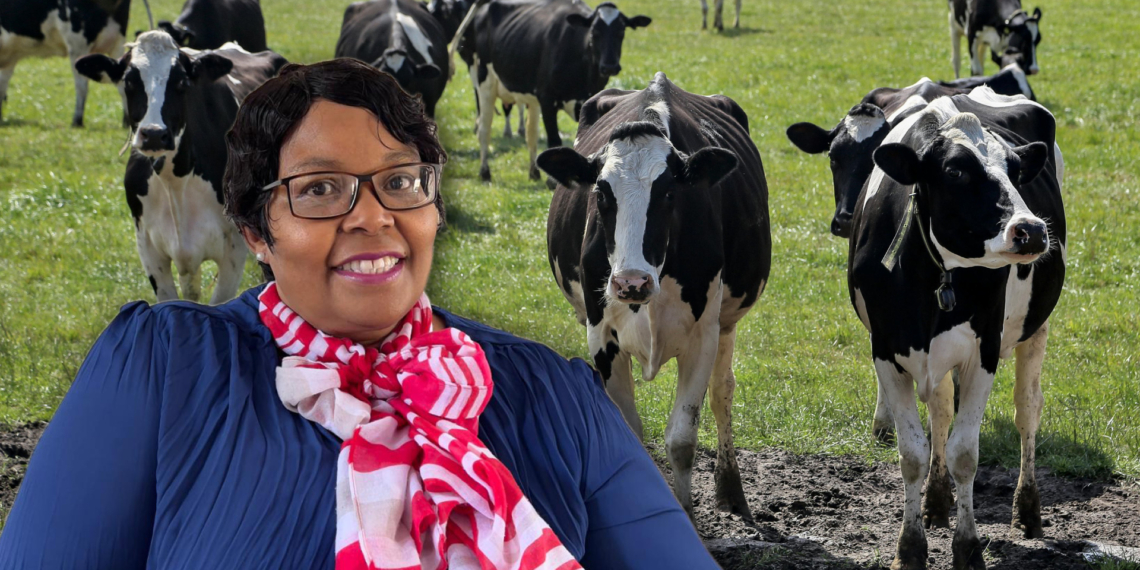
In an exclusive interview with Food For Mzansi, Dr Ziyanda Majokweni, president of the South African Veterinary Association (SAVA), unpacked why veterinary services are increasingly recognised as “critical infrastructure”. She also explained how the profession responds during biosecurity crises, and what strategic investments are needed to strengthen its capacity.
Patricia Tembo: What is meant by veterinarians being described as “critical infrastructure”?
Dr Ziyanda Majokweni: It recognises the integral role veterinarians play in society. If you have consumed any animal protein today, a veterinarian has contributed to its production.
Veterinarians are central to public health, food safety, One Health, food security, animal welfare, trade, and the sustainability of agriculture. Wildlife veterinarians also contribute to conservation and tourism by supporting wildlife health, biodiversity protection, disease surveillance, and sustainable wildlife management.
Calling veterinarians “critical infrastructure” means recognising that veterinary services are not optional or peripheral. They form part of the country’s essential national capacity to prevent, detect, and respond to animal disease threats, including zoonotic diseases and transboundary animal diseases such as foot-and-mouth disease.
Veterinarians therefore secure far more than animal health. They help protect livelihoods, food systems, consumer confidence, public health, conservation, tourism, and the broader economy.
Related stories
- Fort Hare proposes another SA’s veterinary academic hospital
- South Africa’s FMD crisis exposes veterinary system failures
- FMD crisis: Protecting SA’s livestock from viral disaster
- An FMD-free future: Pipe dream or reality?
How do veterinarians collaborate with government, industry bodies, and farmers during a biosecurity crisis?
Veterinarians are an essential part of emergency response teams during biosecurity crises. They bring expertise in epidemiology, disease investigation, surveillance, diagnostics, animal movement control, vaccination, quarantine, biosecurity, risk communication, and the practical implementation of control and containment measures.
During a crisis, veterinarians work with government to detect disease early, confirm cases, trace animal movements, advise on control measures, and implement surveillance or vaccination plans. They work with industry bodies to align technical response measures with value-chain realities, and directly with farmers to improve compliance, explain risks, and ensure that control measures are practical at the farm level.
What capacity challenges currently exist within the veterinary profession in South Africa?
South Africa faces significant veterinary capacity constraints, particularly in rural areas, production animal practice, and state veterinary services. Although the country continues to produce new veterinarians annually, the key challenge is retaining sufficient numbers in the areas where they are needed most.
It is estimated that only a small proportion of the more than 150 veterinarians who graduate each year remain in public service or rural practice after completing compulsory community service. This contributes to a chronic shortage of veterinarians in areas that are essential for disease surveillance, outbreak response, farmer support, food security, and trade facilitation.
The government veterinary sector is also under pressure due to fiscal constraints, vacant posts, heavy workloads, salary competitiveness, limited career progression pathways, and the difficulty of attracting professionals to rural or high-pressure environments.
In addition, the lack of targeted incentives for rural veterinary practice undermines the sustainability of these services and makes rural work less attractive to newly qualified veterinarians. This further limits access to veterinary care in areas where livestock health, food security, and disease surveillance needs are often greatest.
A further challenge is the need to strengthen the availability of tools of trade within state veterinary services. Adequate access to infrastructure – including clinics and animal handling facilities, vehicles, equipment, vaccines, diagnostics, information systems, and operational resources – is essential to enable state veterinarians to fulfil their mandate effectively, particularly in disease surveillance, outbreak response, farmer support, and rural service delivery.
In your view, what risks does the country face if veterinary services are underresourced or undervalued?
Undervaluing veterinary services increases the country’s vulnerability to disease, economic losses, food insecurity, and reduced public health protection. If veterinary services are underresourced or undervalued, the risks extend far beyond the veterinary profession.
Veterinary services touch the lives of citizens every day through food safety, food security, disease control, public health protection, animal welfare, agricultural productivity, and trade.
Weak veterinary capacity can delay disease detection, slow outbreak response, increase disease spread, worsen production losses, reduce export confidence, and place pressure on food supply chains.
In diseases such as foot-and-mouth disease, underresourced veterinary services can also lead to animal welfare concerns, prolonged movement restrictions, market disruption, and job losses across the livestock value chain.
Looking ahead, what investments are most urgent to future-proof the profession against increasing disease threats?
In the short term, veterinarians must be properly empowered and resourced to respond to the current foot-and-mouth disease epizootic. This includes adequate personnel, transport, vaccines, diagnostics, surveillance systems, data systems, protective equipment, communication tools, and legal enforcement support.
In the medium to long term, South Africa needs to review and properly resource its national veterinary strategy so that veterinary services can support the country’s broader development goals.
Priority investments should include strengthening state veterinary services, improving rural veterinary retention, expanding epidemiology and disease surveillance capacity, supporting laboratory networks, investing in vaccine security, improving animal identification and traceability, and building stronger partnerships between government, private veterinarians, industry bodies, and farmers.
READ NEXT: Fire meets flavour: Recipes and tips for a plant-based braai