As climate variability, shifting rainfall patterns, and extreme weather events continue to influence agricultural production, access to reliable weather information is becoming an indispensable management tool for farmers.
Weather information can influence decisions ranging from planting schedules and irrigation planning to livestock management, worker safety, and risk mitigation. But knowing what information is available and how to use it remains a challenge for many producers.
Speaking on the role of weather technology in agriculture, Absolom Mfumadi, marketing manager at the South African Weather Service (SAWS), explains how weather information is being applied across farming systems to support planning and climate resilience.
The SAWS is South Africa’s national meteorological authority, responsible for producing weather and climate information used across sectors such as agriculture, aviation, energy, insurance, and disaster management. Its broader vision centres on enabling communities, industries, and individuals to use weather and climate information to support resilience and socio-economic development.
For agriculture, the discussion is increasingly moving beyond daily forecasts towards using weather intelligence as a practical farm management tool. Mfumadi unpacks four key ways producers can leverage this technology.
Related stories
- Weather shocks keep vegetable markets volatile
- Poultry farming: Tips to manage unpredictable weather patterns
- Climate change resilience: Practical strategies for farmers
- Goat and sheep farmers breed smarter to beat climate stress
Leveraging real-time data on the farm
One of the key advantages of digital weather platforms is the ability to access real-time, location-specific information.
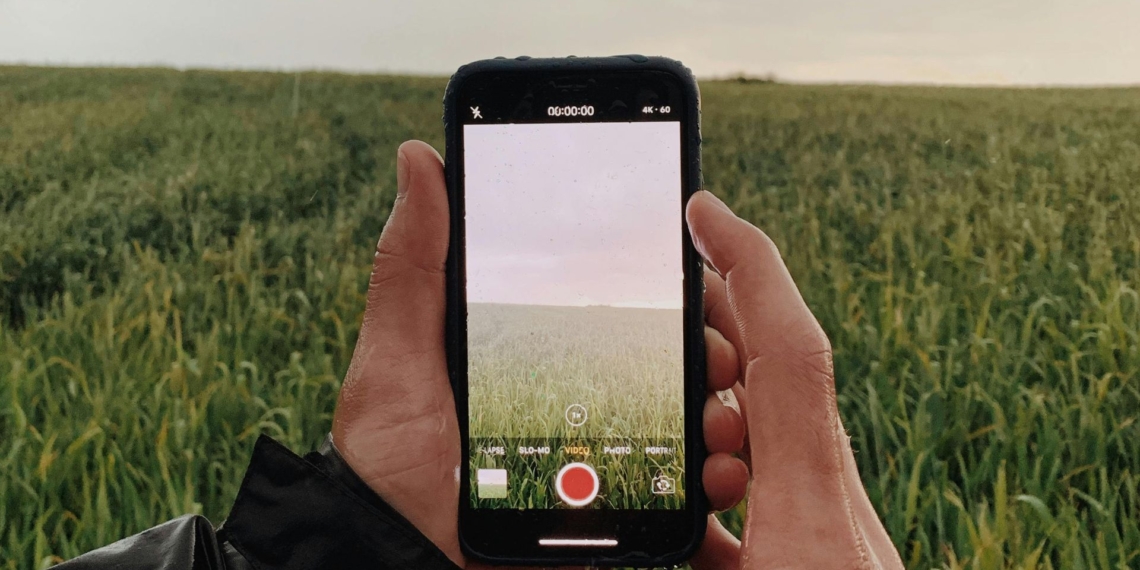
Mfumadi highlights storm tracking on the SAWS app as an example of how weather technology can assist operational decisions on farms.
“The advantage with the mobile app is that it includes storm tracking. A farmer can see where a storm is developing, the direction it is moving and how long it will take to reach your farm,” Mfumadi says.
For farmers, this type of information can create a short but valuable window for response measures.
“Some storms can be severe,” he says. “You may not be able to protect crops immediately, but livestock can be moved into shelter. Farmers can also take steps to protect personnel and farm assets.”
This is particularly relevant during thunderstorms and lightning events, which continue to present safety risks in agricultural environments.
“If you can see that there is an approaching storm and your personnel are working in the field, the information allows you to make decisions early and bring people back to safety,” Mfumadi adds.
Leveraging real-time data on the farm
One of the key advantages of digital weather platforms is the ability to access real-time, location-specific information.
Mfumadi highlights storm tracking as an example of how weather technology can assist operational decisions on farms.
“The advantage with the mobile app is that it includes storm tracking. A farmer can see where a storm is developing, the direction it is moving and how long it will take to reach your farm,” Mfumadi says.
For farmers, this type of information can create a short but valuable window for response measures.
“Some storms can be severe,” he says. “You may not be able to protect crops immediately, but livestock can be moved into shelter. Farmers can also take steps to protect personnel and farm assets.”
This is particularly relevant during thunderstorms and lightning events, which continue to present safety risks in agricultural environments.
“If you can see that there is an approaching storm and your personnel are working in the field, the information allows you to make decisions early and bring people back to safety,” Mfumadi adds.

Turning forecasts into planning tools
Weather forecasts are often treated as informational updates, but their greatest value may lie in operational planning.
According to Mfumadi, farmers can derive greater benefit from weather data when it is linked directly to upcoming farm activities.
“You need to know what activities you have and what you want to achieve between now and tomorrow. Then you go into the app, check your 10-day forecast and plan accordingly,” he continues.
Using forecasts in this way can help farmers decide about field work, irrigation timing, labour deployment, livestock handling, and machinery use.
In increasingly unpredictable conditions, proactive planning can help reduce exposure to weather-related disruptions and losses.
Matching weather tools to farming needs
Weather technologies are not used in the same way across all farming systems. Smaller-scale producers may prioritise accessible forecast information, while larger operations may integrate weather data into broader management systems.
Mfumadi notes that specialised tools are increasingly being used in livestock and poultry systems to monitor environmental conditions.
“That product informs farmers when temperatures exceed certain thresholds, and livestock could experience heat stress,” he explains. “The farmer can then make decisions around shelter, cooling systems or other interventions.”
He also points to growing interest in integrating weather information directly into digital farm systems used by larger commercial operations.
“We are able to engage with the farmer, understand the requirements and work with internal stakeholders to ensure the solution integrates with their systems,” he says.
Technology and indigenous weather knowledge
While digital tools continue to expand, weather interpretation is not new to agriculture.
Many farmers already use longstanding observational knowledge to anticipate environmental change.
“Farmers are very knowledgeable about weather,” Mfumadi continues. “Many use indigenous knowledge systems.”
Environmental indicators such as insect movement, bird behaviour, and seasonal patterns have long informed agricultural decision-making in many farming communities.
“They can observe the migration of ants, how birds behave during certain seasons or other environmental signs that indicate drought or changing weather,” he explains.
Rather than replacing this knowledge, modern weather technologies can complement existing experience and observations.
Weather intelligence for long-term climate adaptation
As climate pressures intensify, weather and climate information are becoming increasingly relevant not only for farmers, but for the wider agricultural value chain.
“Weather affects everybody,” Mfumadi says. “Agriculture, construction, energy, insurance, financial services, every industry should be engaging with weather information.”
In agriculture, climate outlooks and weather intelligence can contribute to discussions around production risk, financing, insurance planning, and long-term adaptation strategies.
Discussions about El Niño / La Niña events and seasonal outlooks remain a priority for stakeholders seeking a clearer understanding of potential risks to inform decisions around funding, insurance, and operational planning.
For farmers operating in increasingly unpredictable production environments, the key lesson is not necessarily the adoption of more technology, but rather the more deliberate use of weather and climate information as part of day-to-day decision-making.
READ NEXT: Start small, grow big: Zen Teitge’s blueprint for sustainable farming