The latest Absa AgriTrends Report shows how erratic weather and geopolitical shocks can reshape vegetable profitability in South Africa. While fertiliser and fuel prices eased in 2025, climate variability and global conflict are driving a new wave of cost uncertainty into 2026.
South Africa’s vegetable sector entered 2025 on a relatively stable footing, but the latest Absa AgriTrends Report shows that that stability didn’t last.
The agricultural Producer Price Index (PPI) rose steadily through most of 2025 before turning sharply downwards from September. By the final quarter of the year, the agricultural PPI had fallen by an average of 4.41%, signalling a clear shift in pricing momentum across the sector.
This is significant for producers, especially those in high-value vegetable markets. A declining PPI typically means weaker revenue prospects, particularly when output prices fall faster than production costs. However, the Absa AgriTrends analysis shows that this time, the story is more complex. It’s not only about falling prices. It’s also about falling costs.
Input cost relief, but not stability
One of the defining features of the 2025 season was the easing of key input costs.
Fertiliser prices, which account for roughly 15% of total production costs in high-value vegetable systems, declined by 5.83% between the third and fourth quarters of 2025. Fuel prices also eased slightly, falling by 0.53% over the same period.
These declines helped to pull the agricultural PPI lower, according to Absa AgriTrends, and provided some relief to producers after several years of input cost pressure. A stronger rand also contributed to lower imported input costs, although the report notes that currency effects are limited and delayed compared to global market forces.
Click here to download the Absa AgriTrends Report 2026 autumn edition.
The bigger driver remains international fertiliser markets, which are shaped by supply constraints, shipping costs and geopolitical instability. This reality became even clearer in early 2026. With global tensions escalating, including conflict involving the United States and Iran, fertiliser and fuel markets have already started to tighten again. This means producers who benefited from lower costs in 2025 are facing a renewed cost squeeze going into the current season.
Weather resets vegetable supply dynamics
Climate conditions played a major role in shaping vegetable markets in 2025.
Frequent rainfall and the absence of frost supported higher-than-expected production volumes in key regions. This pushed prices lower in several vegetable categories and reinforced the downwards movement in the agricultural PPI highlighted in Absa AgriTrends, but the report also shows how quickly this balance can shift.
Related stories
- Citrus sector enters uncertain season as trade shifts reshape markets
- Livestock prices remain high as disease and supply shocks reshape the market
- AgriTrends: SA farmers adapt as global shocks reshape agriculture
- Cheap potatoes bring relief to consumers, pain to farmers
Potatoes: Limpopo dominance drives volatility
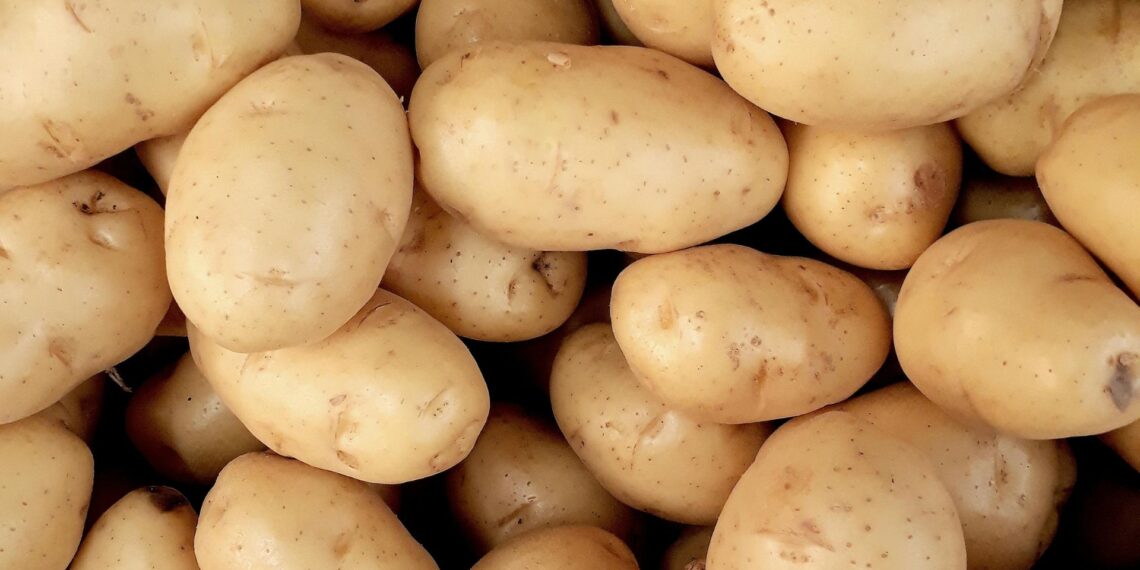
Potatoes remain one of the most climate-sensitive crops in South Africa, and 2025 was a clear example of how regional concentration can amplify price swings.
Limpopo, which supplies the bulk of potatoes during the second half of the year, once again acted as the key price driver. When production conditions are strong in the province, national volumes rise sharply. When weather turns, the entire market feels it.
In 2024, a black frost event disrupted production. In 2025, the opposite problem emerged – a bumper crop driven by favourable weather conditions. The result was a steep correction.
According to Absa AgriTrends, average potato prices in the fourth quarter of 2025 were 37.6% lower year on year, even as volumes increased by 11.6%. Prices also fell below the five-year break-even range for the first time since 2022, placing significant pressure on producer margins.
Heavy rainfall in the Free State added further disruption by delaying planting and pushing harvest timelines into overlap with Limpopo’s season, intensifying supply pressure.
Looking ahead: Recovery depends on reduced plantings
The outlook for potatoes is now shaped by a production response to weak prices.
Absa AgriTrends expects producers to reduce planting areas in the 2025/26 season in an effort to restore price balance. Some of this land may shift to alternative crops such as maize, although relative grain prices will determine how far that substitution goes.
The report’s view is that potato prices are likely to recover in 2026, supported by smaller planted areas. However, weather volatility remains a key risk that could slow or disrupt recovery.
There’s also a growing input cost concern. Rising fertiliser and fuel prices linked to global instability could alter planting intentions in Limpopo, where production timing is highly sensitive to input availability.
In short, supply contraction may support prices, but cost pressure could limit recovery.
Tomatoes: Volatility driven by pests, weather and imports
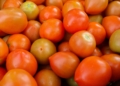
Tomatoes have been one of the most volatile vegetable markets tracked in Absa AgriTrends over the past two seasons.
Limpopo remains the dominant production region, accounting for roughly two-thirds of national output, with additional supply from Mpumalanga and the Eastern Cape.
The market has been shaped by repeated weather shocks and pest outbreaks.
In late 2023, tomato prices surged by 46% due to hail, heat stress and rainfall disruptions. In 2024, record highs were recorded as quality losses intensified and input costs remained elevated.
By 2025, conditions stabilised somewhat, but volatility persisted. Prices reached around R12 000 per tonne in June 2025, supported by earlier disruptions and ongoing pest pressure from Tuta absoluta, aphids and whitefly. However, weak consumer demand limited the extent of price increases despite lower national volumes.
Imports reshape supply balance
A key factor highlighted in Absa AgriTrends is the role of regional trade in stabilising tomato prices.
The suspension of Namibian imports in a previous season contributed to a 70% spike in prices during domestic shortages. When import permits were reinstated in 2025, additional supply helped ease upward pressure, even though local production remained constrained.
This highlights a recurring theme in vegetable markets: Imports act as a critical buffer during supply shocks, but also add another layer of volatility when policy changes.
Looking ahead: Supply remains the key risk
The outlook for tomatoes remains firmly supply driven.
While input costs have improved compared to 2023 and 2024, Absa AgriTrends warns that structural risks remain. Weather extremes, pest outbreaks and import uncertainty continue to shape price behaviour more than demand cycles.
In practical terms, this means tomato prices will remain highly reactive. Small shifts in rainfall and temperature can still trigger sharp price movements in either direction.
A sector caught between relief and risk
The broader message from the Absa AgriTrends Report is one of short-term relief, but long-term uncertainty.
Falling fertiliser and fuel prices eased pressure in 2025 and helped push the agricultural PPI lower. But that relief is already fading as global conflict and supply constraints re-enter input markets.
At the same time, climate variability continues to drive sharp swings in production, especially in concentrated regions like Limpopo.
For vegetable producers, the reality is increasingly clear: Costs may ease in one season, but volatility is now permanent.
Click here to download the Absa AgriTrends Report 2026 autumn edition.
READ NEXT: Global food crisis depends on next planting season