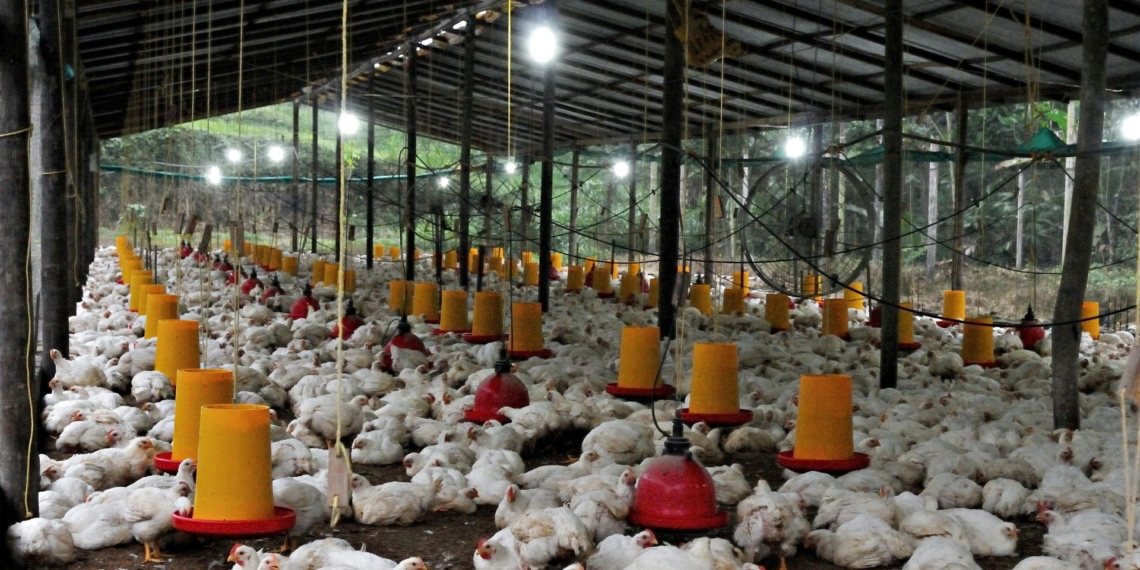
Changing weather patterns are increasingly shaping the way poultry farmers manage their operations in South Africa. From rising temperatures to colder and wetter periods, climate variability is affecting bird health, production efficiency, and the overall cost of raising poultry.
According to research published in the journal Discover Sustainability, global demand for poultry products is expected to quadruple by 2050 as living standards improve. However, climate change is placing increasing pressure on poultry production by affecting feed quality, water availability, disease prevalence, and reproduction.
At the same time, the poultry industry contributes roughly 8% of livestock-related greenhouse gas emissions. Therefore, the industry has an important role to play in reducing emissions while strengthening global food security through climate adaptation and sustainable production practices.
Impact of changing weather patterns
Technical manager Phiri Tau and veterinarian Vinoliah Makuwa from Rainbow Chicken unpacked the key challenges farmers face and shared practical strategies to help producers build more climate-resilient poultry operations.
According to Tau and Makuwa, the effects of shifting weather patterns are already being felt on farms across the country.
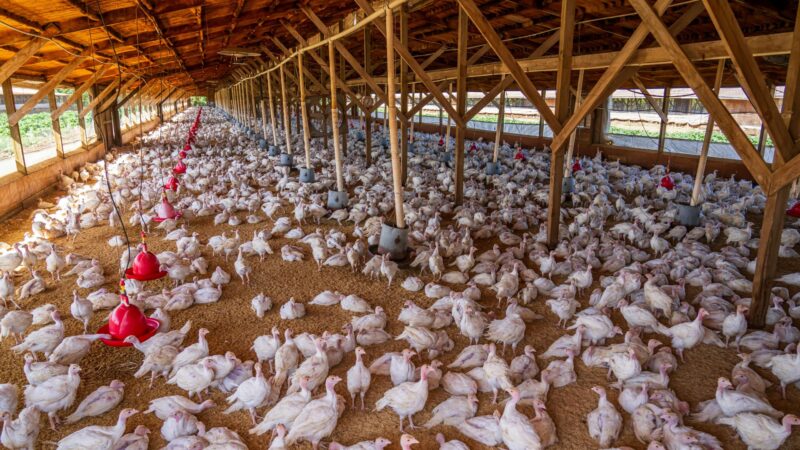
“Changing weather patterns are making poultry farming more complex and costly. Extreme temperatures, whether heat or cold, increase the cost of production as farmers need to invest in improved housing and additional equipment to manage these conditions effectively. This, in turn, impacts the overall cost of raising chickens and can influence market pricing,” Tau and Makuwa explain.
As temperatures fluctuate more dramatically, poultry producers are increasingly required to invest in infrastructure that protects birds from environmental stress.
Tau and Makuwa share the following practical insights to help poultry farmers prepare for both heat and cold conditions while maintaining healthy and productive flocks.
Related stories
- Poultry industry on edge as winter bird flu threat looms
- Mastering poultry feed: Tips to maximise efficiency
- Poultry farmers: A guide to selling to abattoirs
- Sustainable farming: How to balance soil health and income
1. Reduce heat stress through proper housing management
Heat stress is one of the biggest risks during hot weather, especially in poorly ventilated poultry houses.
“Reducing heat stress starts with ensuring proper ventilation within poultry houses, supported by effective cooling systems that help regulate temperature. Managing stocking density is equally important, as overcrowding limits airflow and increases heat retention. Creating a well-ventilated and appropriately spaced environment is key to maintaining bird health during high temperatures,” Makuwa says.
Simple management adjustments, such as improving airflow and avoiding overcrowding, can significantly reduce heat-related losses.
2. How heat stress affects production and mortality
If not managed effectively, high temperatures can have serious consequences for flock performance.
“Heat stress has a direct impact on both production and mortality. Birds tend to reduce their feed intake in high temperatures, which leads to slower growth and lower daily weight gain.
“Older birds are particularly vulnerable, as they struggle to regulate their body temperature. In severe cases, this can lead to heat-related complications, including heart failure and increased mortality rates,” Tau and Makuwa note.
Farmers should therefore monitor bird behaviour and environmental conditions closely during hot weather.
3. Prepare poultry houses for cold and wet weather
Cold and wet conditions also present risks, particularly for young birds.
“Preparation for cold or wet weather requires proper brooding facilities and reliable equipment to maintain stable temperatures, especially for young birds. In addition, ensuring that poultry houses have adequate ventilation is essential for controlling humidity levels, which tend to rise during colder or wetter conditions,” Tau and Makuwa say.
Maintaining a stable environment is critical to preventing stress and maintaining growth rates.
4. Manage humidity and litter conditions
Wet conditions in poultry houses can quickly create health problems.
“Cold and wet conditions often lead to increased humidity inside poultry houses, which results in wet bedding. This creates an environment where ammonia can build up, negatively affecting the respiratory health of the birds. Wet bedding can also cause physical issues such as blisters or ammonia burns on the birds’ feet, which further impacts their well-being and productivity,” the experts caution.
Good ventilation and litter management are therefore essential during wet periods.
5. Implement strict biosecurity measures
Strong biosecurity practices help protect flocks from disease outbreaks, which can become more likely when birds are under environmental stress.
“Strong biosecurity begins with clearly demarcating the production area, typically through proper fencing, to limit exposure. Controlling access to the production site is equally important, ensuring that only authorised individuals can enter.
“In addition, all equipment, vehicles, and materials entering or leaving the area should be properly disinfected to reduce the risk of disease introduction and spread,” Tau and Makuwa explain.
These measures help prevent the introduction and spread of pathogens on poultry farms.
6. Recognise the link between environmental stress and disease
Environmental stress can weaken birds’ immune systems, making them more vulnerable to illness.
“There is a strong link between environmental stress and disease outbreaks. Heat stress weakens the immune system, making birds more susceptible to infections. Similarly, poor housing conditions, including dust, ammonia build-up, and inadequate airflow, can damage the respiratory system and increase the likelihood of respiratory diseases.”
Maintaining good environmental conditions in poultry houses is therefore a key disease-prevention strategy.
8. Plan for climate variability
Proactive planning can help farmers minimise the impact of extreme weather events.
Tau and Makuwa explain, “Farmers can take a more proactive approach by investing in well-designed poultry houses equipped to handle extreme weather conditions. This includes ensuring proper ventilation, temperature control, and overall housing that can withstand both heat and cold.
“At the same time, staying informed about weather forecasts is critical, as it allows farmers to anticipate changes and prepare in advance rather than reacting after conditions have already impacted production.”
Preparedness allows farmers to protect their birds and avoid costly disruptions.
9. Use available support and training
Access to information and appropriate tools can help farmers adapt to changing environmental conditions.
“Support for farmers includes access to training on managing both hot and cold weather conditions, as well as access to appropriate equipment. These resources help farmers build the knowledge and capacity needed to operate effectively under changing environmental conditions,” they note.
As climate variability continues to affect agriculture, building resilience through improved infrastructure, management practices, and farmer education will be key to sustaining poultry production.
READ NEXT: A well-oiled vision: Moseki transforms castor beans into opportunity