Thursday, April 30, 2026
SUBSCRIBE
21 GLOBAL MEDIA AWARDS
Food For Mzansi
  • News
  • Changemakers
  • Lifestyle
  • Farmer’s Inside Track
  • Food for Thought
No Result
View All Result
  • News
  • Changemakers
  • Lifestyle
  • Farmer’s Inside Track
  • Food for Thought
No Result
View All Result
Food For Mzansi
No Result
View All Result
in Farmer's Inside Track

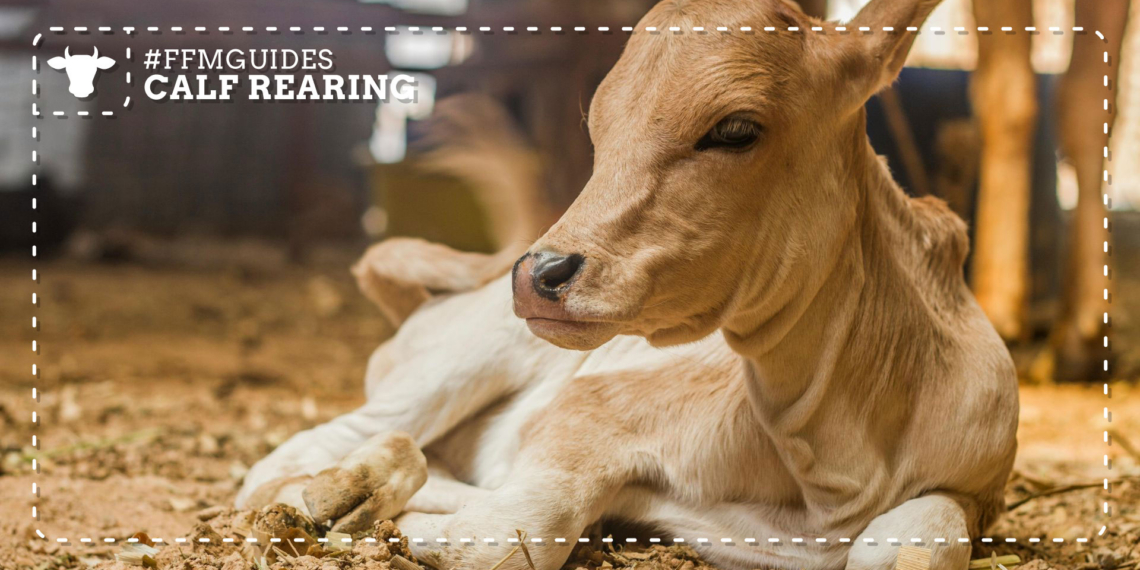
Calf rearing: Why the first few hours define your future herd

Successful livestock farming starts at birth. University of the Free State specialist Junior Mkansi breaks down the complexities of calf management to help farmers build healthier, more productive herds

by Patricia Tembo
29th April 2026
A livestock specialist shares practical calf-rearing insights on colostrum, early nutrition, biosecurity, and disease prevention as the foundation for healthier growth and improved long-term herd productivity. Photo: Pexels

A livestock specialist shares practical calf-rearing insights on colostrum, early nutrition, biosecurity, and disease prevention as the foundation for healthier growth and improved long-term herd productivity. Photo: Pexels

Share on FacebookShare on TwitterShare on WhatsApp

Calf rearing remains one of the most decisive stages in intensive livestock production systems, directly shaping herd performance, long-term productivity, and overall farm profitability.

Livestock specialist and research assistant at the University of the Free State’s Experimental Farm, Junior Mkansi, recently shared practical insights on how farmers can strengthen early calf management from birth through to weaning.

While it is one of the most delicate phases in livestock farming, consistent management and attention to early-life detail can make calf rearing a strong foundation for long-term herd success.

Drawing on hands-on experience across dairy, beef, and sheep systems, Mkansi emphasises that effective calf rearing is built on four key pillars: timing, observation, hygiene, and nutrition.

Understanding calf rearing in practice

Calf rearing refers to the process of raising a young calf after birth, either through milk feeding, dam rearing (calf–cow contact), or hand-rearing when necessary.

FARMER POLL

📢 Which bank is powering your farming journey?

Tell us which bank you use so we can better advocate for the specialised financial tools and accessible capital needed to help South African farmers overcome growth barriers and thrive!

All submissions are kept strictly confidential. 

As Mkansi explains, “Calf rearing is the process of raising a calf after birth, whether through milk feeding or after weaning it from the mother. It is a critical stage because it determines the profitability and future productivity of the farm.”

In dairy systems, rearing often begins almost immediately after birth, while in beef systems, intervention is typically minimal unless the calf is orphaned or the dam cannot care for it.


Related stories
  • Prevent calf abortions through proper cattle vaccinations
  • Strategic breeding: How Chianina genetics can boost a beef herd
  • Ten tips to establish grazing pasture and boost profits
  • Rare dwarf Nguni calf at Vergelegen steals hearts

Colostrum: The foundation of survival and immunity

A consistent theme throughout Mkansi’s advice is the central importance of colostrum management.

“Within the first two to six hours, the calf should have received colostrum to avoid failure of passive immunity,” he notes.

This early intake provides passive immunity, where antibodies from the mother are transferred to the calf, protecting it during its most vulnerable stage.

Mkansi notes that without it, calves are highly susceptible to disease. “If colostrum is not managed properly, calves can develop diarrhoea, pneumonia, fever, and poor growth, and in severe cases, this can lead to death.”

Early-life nutrition has a long-term impact on future milk production and herd performance. Photo: Pexels

Energy before growth: Getting early nutrition right

While protein supports growth, Mkansi stresses that energy is the immediate priority in newborn calves.

Ensuring adequate energy and protein intake in colostrum and early calf nutrition is essential for supporting both immediate survival and long-term development. According to a Calf Notes article and a dairy calf rearing guide by the KwaZulu-Natal department of agriculture, colostrum is not only a source of antibodies but also provides vital nutrients such as fat (energy) and protein, which help the newborn calf stand, maintain body temperature, and sustain early growth.

“Energy is more important at this stage because the calf needs it to stand, maintain body temperature, and survive. Protein supports growth, but without energy, the calf cannot function,” Mkansi says. Colostrum, he explains, provides both energy and protein, making it an essential first feed.

Feeding practices and early growth expectations

In structured dairy systems, feeding routines are typically standardised:

  • Around 4 litres of milk per day (split into morning and afternoon feeds)
  • Gradual reduction of milk before weaning
  • Introduction of supplementary feed from an early stage

Mkansi adds that monitoring weight is essential, particularly in beef systems: “Body weight is very important. The heavier the calf is, the more value it has later in the production system.”

In beef production, early weight gain is closely linked to market returns, making growth tracking a key management tool.

Weaning without stress

Weaning is a critical transition that can easily stress calves if poorly managed.

In dairy systems, Mkansi recommends a gradual reduction approach:

  • Milk reduced to once daily from around week seven
  • Introduction of solid feed alongside milk reduction
  • Weaning done in groups to reduce stress

“Weaning should be gradual so that calves adjust from milk dependency to solid feed without stress,” he says.

In beef systems, creep feeding is commonly used to support weight gain and reduce nutritional shock during weaning.

Disease prevention and biosecurity

Health management is a cornerstone of successful calf rearing. Mkansi highlights diarrhoea as the most common and costly challenge.

“Diarrhoea is the most frequent issue in calves and is usually caused by poor colostrum management,” he explains.

Other common conditions include:

  • Pneumonia (linked to poor ventilation)
  • Eye infections such as “pink eye” (often linked to fly infestation)

To prevent disease spread, he strongly emphasises hygiene. “Biosecurity is very important. Disinfection when entering and exiting pens prevents cross-contamination between animals,” he says.

While colostrum provides early protection, calves still require vaccination support as their own immune systems develop. Vaccination programmes typically begin within the first weeks of life and are adjusted depending on production systems and disease risks.

The guide by the KwaZulu-Natal department of agriculture also expands on disease prevention and vaccination programmes, providing farmers with structured schedules for managing bacterial, viral, and parasitic infections to support improved herd health and productivity.

Environmental management and pest control

Calf housing conditions directly affect health and performance. Cleanliness and ventilation are essential.

Mkansi recommends:

  • Regular disinfection of pens
  • Control of flies and parasites using insecticides
  • Maintaining well-ventilated housing to prevent respiratory disease

Poor environmental control, he notes, quickly leads to stress, reduced feed intake, and slower growth. Farmers often overlook small hygiene steps, but these small mistakes can lead to serious disease outbreaks.

“Biosecurity and timing are everything; if you get those right in the first weeks, you set the calf up for a productive life,” he emphasises.

READ NEXT: Livestock prices remain high as disease and supply shocks reshape the market

Sign-up to Farmer's Inside Track for the best farming tips, news and advice to thrive!


Patricia Tembo

Patricia Tembo is motivated by her passion for sustainable agriculture. Registered with the South African Council for Natural Scientific Professions (SACNASP), she uses her academic background in agriculture to provide credibility and technical depth to her journalism. When not in immersed in the world of agriculture, she is engaged in outdoor activities and her creative pursuits.

Tags: Cattle farmingCommercialising farmerLivestockTeach me

Related Posts

Harvesting success: Inga Qeja’s journey from garden to grocer

Harvesting success: Inga Qeja’s journey from garden to grocer

29th April 2026
PPECB explains ‘passports’ to export success for SA farmers

PPECB explains ‘passports’ to export success for SA farmers

21st April 2026
Strategic breeding: How Chianina genetics can boost a beef herd

Strategic breeding: How Chianina genetics can boost a beef herd

15th April 2026

More than livestock: Lesedi’s legacy in the heart of the Kalahari

Poultry farming: Tips to manage unpredictable weather patterns

A well-oiled vision: Moseki transforms castor beans into opportunity

Why post-harvest tomato handling is key to profits

Sustainable farming: How to balance soil health and income

News

Women farmers call for inclusive growth and development

by Tiisetso Manoko
27th April 2026

From title deed struggles to limited resources, women in farming say many barriers remain despite democratic gains. On Freedom Day,...

Read moreDetails
Mastering poultry feed: Tips to maximise efficiency

This week’s agri events: 27 April-01 May

27th April 2026
Fire meets flavour: Recipes and tips for a plant-based braai

Fire meets flavour: Recipes and tips for a plant-based braai

26th April 2026
Pork enjoys popularity thanks to its price point compared to other red meats on the market. Photo: Supplied/Food For Mzansi

Pig farming opens doors for Ugandan women

25th April 2026
Agriculture minister John Steenhuisen with South African sheep shearing champions Bonile Rabela and Teboho Nyatsa after the country secured a sixth consecutive world hand shearing title. Photo: Supplied/Food For Mzansi

SA shearers honoured as wool sector rides global resurgence

25th April 2026

Sorghum: Forgotten grain rises as climate-smart crop choice

Mopane & termites: Limpopo insect trade boosts rural livelihoods

SA shearers honoured as wool sector rides global resurgence

Calf rearing: Why the first few hours define your future herd

NW agripreneur creates condiments with care and purpose

Join Food For Mzansi's WhatsApp channel for the latest updates!

JOIN NOW!

THE NEW FACE OF SOUTH AFRICAN AGRICULTURE

With 21 global awards in the first six years of its existence, Food For Mzansi is much more than an agriculture publication. It is a movement, unashamedly saluting the unsung heroes of South African agriculture. We believe in the power of agriculture to promote nation building and social cohesion by telling stories that are often overlooked by broader society.

Calf rearing: Why the first few hours define your future herd

Harvesting success: Inga Qeja’s journey from garden to grocer

Mopane & termites: Limpopo insect trade boosts rural livelihoods

Rockman unveils R1 billion budget to combat disease, boost jobs

Tsolo farmers’ day tackles disease and market access

Livestock prices remain high as disease and supply shocks reshape the market
  • Awards & Global Impact
  • Our Story
  • Contact Us
  • Cookie Policy
  • Privacy Policy
  • Copyright

Contact us
Office: +27 21 879 1824
News: info@foodformzansi.co.za
Advertising: sales@foodformzansi.co.za

Contact us
Office: +27 21 879 1824
News: info@foodformzansi.co.za
Advertising: sales@foodformzansi.co.za

  • Awards & Global Impact
  • Our Story
  • Contact Us
  • Cookie Policy
  • Privacy Policy
  • Copyright
No Result
View All Result
  • News
  • Changemakers
  • Lifestyle
  • Farmer’s Inside Track
  • Food for Thought

Copyright © 2024 Food for Mzansi

This website uses cookies. By continuing to use this website you are giving consent to cookies being used. Visit our Privacy and Cookie Policy.