Sunday, September 6, 2026
SUBSCRIBE
22 GLOBAL MEDIA AWARDS
Food For Mzansi
  • News
  • Changemakers
  • Lifestyle
  • Farmer’s Inside Track
  • Food for Thought
No Result
View All Result
  • News
  • Changemakers
  • Lifestyle
  • Farmer’s Inside Track
  • Food for Thought
No Result
View All Result
Food For Mzansi
No Result
View All Result
in News

ICYMI: Dept. committed to ensuring safety of horses

Amid an African horse sickness vaccine shortage, government reminds horse owners that only one vaccine is approved for use in SA. Owners in AHS-controlled areas who were unable to inoculate animals, need to contact the authorities

by Duncan Masiwa
26th November 2021
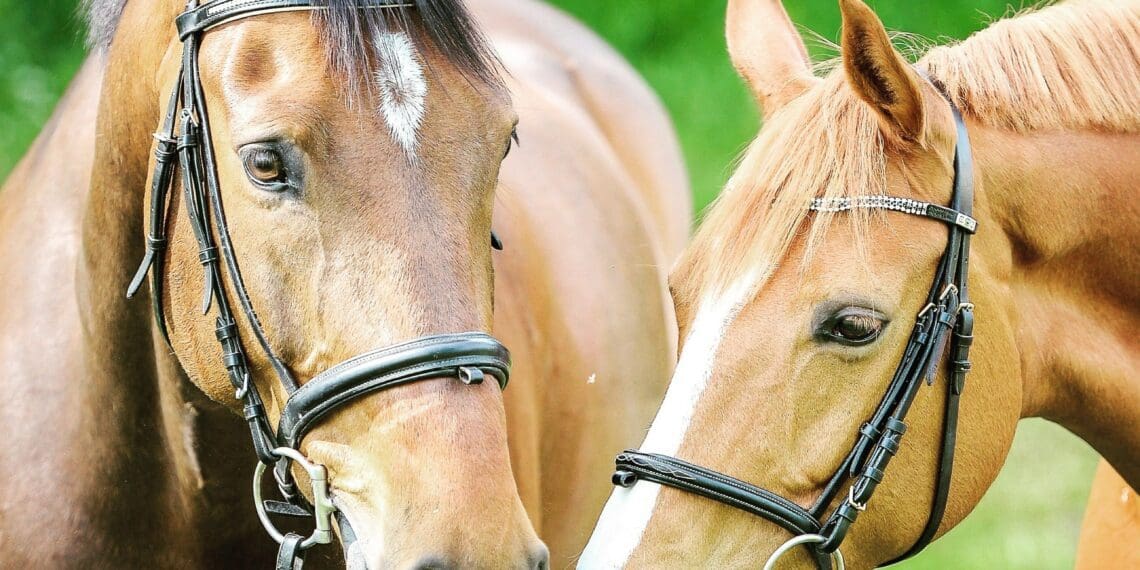
Horse owners and breeders are reminded that it is an offense vaccinate their horses in the AHS-controlled area after 31 October, unless written exemption has been granted. Photo: Raphael Wicker/Unsplash

Horse owners and breeders are reminded that it is an offense vaccinate their horses in the AHS-controlled area after 31 October, unless written exemption has been granted. Photo: Raphael Wicker/Unsplash

Share on FacebookShare on TwitterShare on WhatsApp

The department of agriculture, land reform and rural development said it remains committed to the safety of horses despite the shortage of the African horse sickness vaccine (AHS).

The current unavailability of the AHS vaccine will have implications on the management of vaccination protocols, the department said, with spokesperson Reggie Ngcobo adding, “We are aware that it may have been impossible for some horses to be vaccinated as required within the time period prior to 31 October.”

In a Food For Mzansi article earlier this week, Onderstepoort Biological Products communications officer Zipho Linda said they were hard at work and had contingency plans to ensure that production outputs increase to meet the demand.

OBP furthermore said that all efforts were being made to ensure availability early in December 2021. The department welcomed this assurance.  

ALSO READ: ‘No need to panic’ over horse vaccine shortage

Horse owners to get exemption

The department reminded horse owners and breeders of the different vaccination requirements in AHS-free, AHS surveillance, AHS protection and AHS-infected areas respectively.

Reggie Ngcobo, spokesperson for the department of agriculture, rural development and land reform. Photo: Facebook
Reggie Ngcobo, spokesperson for the department of agriculture, land reform and rural development. Photo: Facebook

In all these areas it is strongly recommended that vaccination of horses take place between 1 June and 31 October each year.

“We remind the public that it is an offence to vaccinate their horses in the AHS-controlled area after 31 October, unless written exemption has been granted to do so by the national director of Animal Health,” Ngcobo said.

Individually written and motivated applications for permission to vaccinate outside of the legal window period, under appropriate and strict vector-protected conditions, may be considered. Horse owners and breeders can contact vaccinate@myhorse.org.za for more information on this protocol, if required.

“We suggest that equine owners and managers make contact with their sporting bodies and registering authorities to request that their horses be allowed to compete without having being vaccinated in 2021 due to the shortage,” said Ngcobo.

Only one vaccine in South Africa

Horse breeders and owners are reminded that the OBP African horse sickness vaccine is the only one registered for use in South Africa in terms of the Fertilisers, Farm Feeds, Agricultural Remedies and Stock Remedies Act, 1947 (Act No. 36 of 1947).

It therefore remains the only approved AHS vaccine in the country.

The use of unregistered products is against the law and is strongly discouraged, regardless of their claimed properties, as the safety and efficacy of unregistered products has not been assessed in equines by the mandated Registrar of Act 36. 

“The department also concurs with OBP that the apprehension caused in the market as a result of its product unavailability is regrettable, but we wish to assure all stakeholders that we remain committed to supporting and securing the safety of the equine population,” Ngcobo said.

ALSO READ: ‘No need to panic’ over horse vaccine shortage

Sign up for Mzansi Today: Your daily take on the news and happenings from the agriculture value chain.
Duncan Masiwa

DUNCAN MASIWA is the assistant editor at Food For Mzansi, South Africa’s leading digital agriculture news publication. He cut his teeth in community newspapers, writing columns for Helderberg Gazette, a Media24 publication. Today, he leads a team of journalists who strive to set the agricultural news agenda. Besides being a journalist, he is also a television presenter, podcaster and performance poet who has shared stages with leading gospel artists.

Tags: African horse sicknessAHSDepartment of Agriculturehorse diseaseReggie Ngcobo
Tough times, hardy cattle: Why Mzansi farmers are choosing Nguni
News

Tough times, hardy cattle: Why Mzansi farmers are choosing Nguni

by Vateka Halile
3rd September 2026

Nguni cattle are known for their hardiness and low-maintenance needs, making them ideal for Mzansi's harsh conditions. However, market prejudice...

Read moreDetails
Dragon fruit thrives in KZN valley despite tough national season

Dragon fruit thrives in KZN valley despite tough national season

3rd September 2026
The future of Mzansi's sugar industry hangs in the balance

Government hikes sugar import price, but industry warns of gap

3rd September 2026

Chicken is booming, but the real money is in the supply chain

2nd September 2026
How Tebogo beat post-harvest losses with smart agro-processing

How Tebogo beat post-harvest losses with smart agro-processing

2nd September 2026

Gauteng farmers urged to harness massive urban market

Early calf care: Key growth targets every cattle farmer must track

Community-led farms boost food security and incomes in Limpopo

Potato turning point ahead as onions double in price year-on-year

How Tebogo beat post-harvest losses with smart agro-processing

Join Food For Mzansi's WhatsApp channel for the latest updates!

JOIN NOW!
Next Post
Although South Africa's food is very safe and nutritious, food insecurity is still widespread on a household level. Photo: Supplied/Food For Mzansi

SA food is extremely safe but reaches too few – report

THE NEW FACE OF SOUTH AFRICAN AGRICULTURE

With 21 global awards in the first six years of its existence, Food For Mzansi is much more than an agriculture publication. It is a movement, unashamedly saluting the unsung heroes of South African agriculture. We believe in the power of agriculture to promote nation building and social cohesion by telling stories that are often overlooked by broader society.

Tiger Brands CEO calls for stronger food value chain

Plant, pick, protect: The rising potential of urban foraging in SA

RSVP now: Emerging farmers’ programme at Nampo Cape

Community-led farms boost food security and incomes in Limpopo

Farmers rethink water use as shortages threaten food production

Honoured roots: A father’s legacy, a daughter’s farming dream

  • Awards & Global Impact
  • Our Story
  • Contact Us
  • Cookie Policy
  • Privacy Policy
  • Copyright

Contact us
Office: +27 21 879 1824
News: info@foodformzansi.co.za
Advertising: sales@foodformzansi.co.za

Contact us
Office: +27 21 879 1824
News: info@foodformzansi.co.za
Advertising: sales@foodformzansi.co.za

  • Awards & Global Impact
  • Our Story
  • Contact Us
  • Cookie Policy
  • Privacy Policy
  • Copyright

Chat Options

I'm Lerato, your AI assistant!
No Result
View All Result
  • News
  • Changemakers
  • Lifestyle
  • Farmer’s Inside Track
  • Food for Thought

Copyright © 2024 Food for Mzansi

This website uses cookies. By continuing to use this website you are giving consent to cookies being used. Visit our Privacy and Cookie Policy.