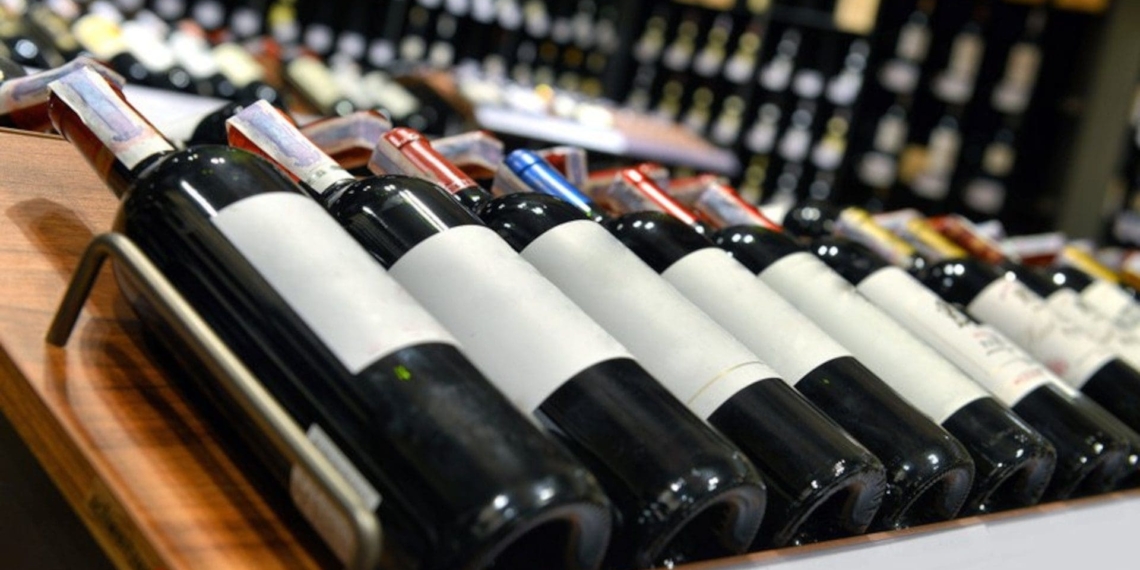
Following a difficult year brimming with challenges such as load shedding, ports, climate change, and operational costs, the wine industry is set to have a positive 2024 with a promising first crop estimation.
South Africa Wine chief executive Rico Basson said the industry is in the midst of a repositioning phase to overcome various challenges on the one hand, but also to ensure sustainable growth and investment.
The future looks rosy
“Measured against some of our competitors, our wine industry is excellently placed to overcome challenges and with a focused approach, unlock value growth in the tourism, local and international markets which relieves financial pressure at farm level,” he said.

According to South Africa Wine, the country’s wine grape producers are expecting a good and somewhat larger 2024 wine grape crop compared to the relatively small harvest of 2023.
“This is according to the first of four wine crop estimates issued annually by viticulturists and producer cellars. This estimate, however, is still lower than the average harvests of the past 10 years.
“Cool and wet conditions characterised the post-harvest period and provided welcome relief during the recovery of vines after the harvest. The lower crop load of 2023, the early completion of the harvest and sufficient water availability positively contributed to vineyard reserves to start the winter on a good footing,” South Africa Wine said in a statement.
READ NEXT: ICYMI: Huge milestone as SA wine launches professional body
Positive climate conditions
Etienne Terblanche, manager of Vinpro’s team of viticulture experts, said the positive impact of climatic conditions leading up to the harvest outweighs the limiting factors, despite the continuing declining trend in the national area under vines, which currently stands at 89 384 hectares.

“The potential impact of load shedding will only become apparent closer to harvest time and is being closely monitored. If environmental conditions play out as predicted and producers adapt management practices accordingly, a good quality harvest can be expected,” he said.
Meanwhile, South Africa Wine said the Cape wine-growing areas experienced an excellent winter, characterised by low temperatures and an above-average rainfall that brought soil profiles and storage dams up to capacity.
“This was especially welcomed in dryland areas such as Cape Town and Swartland, while brackish soils in the drier cultivation regions such as the Klein Karoo and Olifants River benefited from the leaching of salts.”
ALSO READ: Wine farms: Calls mount to improve agri working conditions
Enough time to recover
“Spring was action-packed. Frost damage to low-lying chenin blanc and colombar, especially in the Breedekloof and Worcester region, had producers worried, but given the early nature of the damage, vineyards were able to recover to some extent through fertile secondary buds and late pruning actions,” the statement revealed.
Following devastating weather conditions in most parts of the country, mostly in the Western Cape, South Africa Wine said the soil conditions, mud that stuck to leaves after the storms, high humidity, and limited access to vineyards due to the wet soil conditions resulted in downy mildew in some vineyards.
“Strong winds in coastal areas such as Stellenbosch had a limiting impact on the set of late cultivars such as cabernet sauvignon, but the positive impact of groundwater reserves on berry size is expected. Vine growth is generally showing very well,” South Africa Wine stated.
The next crop estimate by viticulturists and producer cellars will be released in January 2024.
ALSO READ: Agricultural science teacher sparks passion in young minds
Sign up for Mzansi Today: Your daily take on the news and happenings from the agriculture value chain.