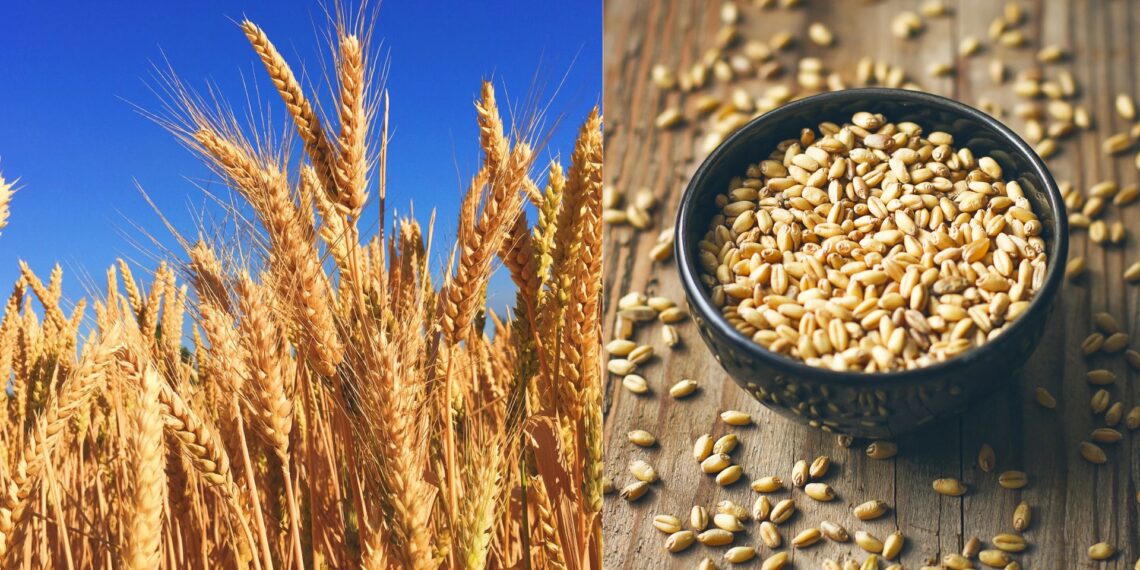
You’ve probably had pearl barley before? Maybe in a school meal, a comforting family stew, or a thick winter soup.
According to experts, it is one of those ingredients that quietly does the job, adding texture and heartiness without much fuss. However, behind its simple appearance lies a powerful grain with big potential, both in the kitchen and on the farm.
In an article on Health For Mzansi, local experts unpack why pearl barley is not only great for its health benefits, but also for its potential as a sustainable, profitable crop.
“Barley is more drought-tolerant than other small grains like wheat,” explains Lulutho Gangathele, a farmer and agronomist from the Eastern Cape.
Its resilience, he says, makes it particularly attractive for small-scale farmers working under tough conditions. In regions where water is scarce and soil quality varies, barley thrives, delivering consistent yields even when other crops fail.
It’s not just what you grow, it’s how
Timing, however, is everything. “Planting dates influence early crop development and yield potential,” says Gangathele.
And while barley thrives in the cool, wet winters of the Western Cape, it needs careful harvesting and handling to ensure quality.
Related stories
- Winter gardening: Turn cold days into cropping gold
- Unlock the secrets to growing nutritious peanuts
- Citron melon: Mzansi’s hardy superfruit makes a juicy comeback
With a growing demand from breweries and animal feed producers, Gangathele believes that “both small- and large-scale farmers can benefit”.
Beyond the field, the way barley is grown significantly impacts its nutritional value. Hamond Motsi, a PhD student at Stellenbosch University, highlights that “barley varieties grown in moderate temperatures and sufficient moisture show higher protein content and grain quality”.
Organic and biodynamic systems, he adds, also enhance the grain’s health profile.
This article was first published on Health For Mzansi and written by Vateka Halile.
READ NEXT: Small beans, big impact: New project grows SA supply
Sign up for Mzansi Today: Your daily take on the news and happenings from the agriculture value chain.