Farming is opening doors for communities to access affordable, high-quality protein like chicken. The demand is clear, and the opportunity is real. With space to raise their own birds, farmers get the chance to learn from mistakes, build confidence, and master the craft.
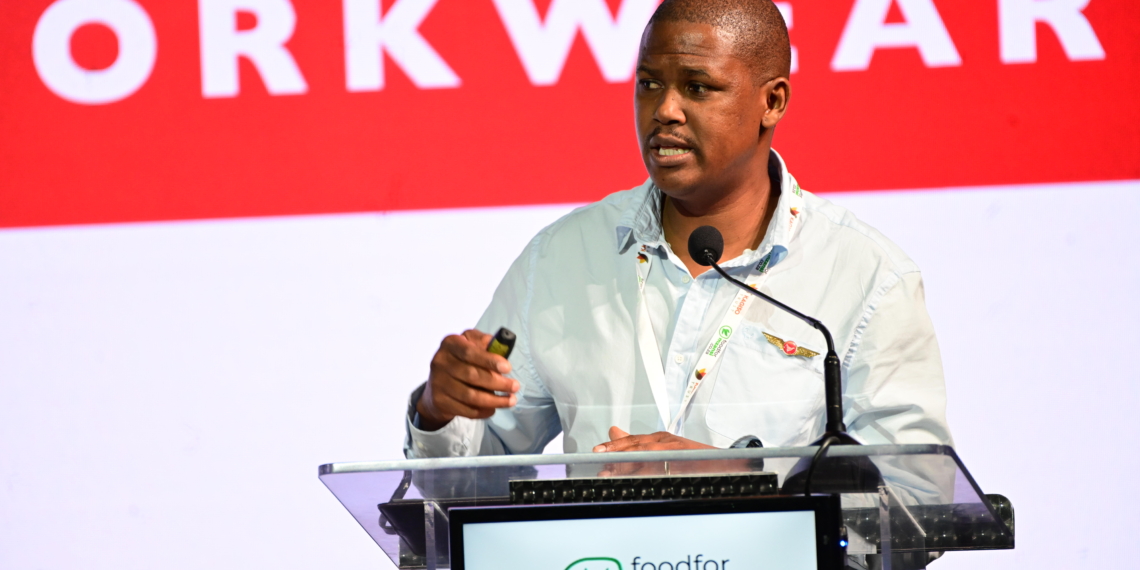
At the Mzansi Young Farmers Indaba 2026 in Pretoria, Pholosho Monnapule, export manager at Rainbow Chicken, shared hands-on strategies for improving efficiency in poultry farming, boosting profitability, and strengthening local communities.
From smarter farm management to better market access, he explained how simple, everyday steps can turn into real growth and lasting impact.
Market access and opportunities
Monnapule said rural communities are facing high levels of unemployment and food insecurity, and farming can help them build independence while developing business skills.
However, he noted that while some poultry farmers struggle to access markets, the demand does exist. The real challenge is unlocking those opportunities.
Monnapule explained that broiler production can serve as an entry point for many farmers, as chicken is one of the most affordable sources of protein compared to red meat. He added that agriculture holds strong potential, particularly for young people, and stressed that the future of food security is local.
“Opportunities only matter if they are taken,” he said.
Speaking to Food For Mzansi on the sidelines of the indaba, Monnapule said Rainbow Chicken is positioning itself to support rural farmers, not only in growing birds but also in building skills.
Related stories
- Poultry industry on edge as winter bird flu threat looms
- MSc graduate turns mushroom waste into poultry gold
- Brazil’s ambassador clarifies poultry export standards to SA
- Young farmers tackle land tenure and market barriers
He added that from 2024, Rainbow has rolled out an initiative to allocate chicks for market-linked production.
“We have a couple of depots, one in Midrand, one in Mpumalanga, and two in KwaZulu-Natal. Farmers can access these depots and also get information online if they are far.
“Reaching farmers in rural areas is at the core of our programme, and we are also present in the African market,” he said.
Supporting farmers through supply and skills
Monnapule explained that their work is centred on supplying day-old chicks to farmers, who then raise them to market weight. “We also supply them with fertiliser,” he said.
He added that pricing is structured around day-old chicks as well as fertile eggs, and farmers can engage directly with regional teams in areas such as Mpumalanga, Pretoria, Limpopo and KwaZulu-Natal.
“Farmers can contact a sales representative in their region and order the number of chicks they need. We do provide technical advice. We have met farmers who need support with record keeping and best practices for raising chicks, but some say they are experienced and only need the birds,” he said.
He noted that the company also works closely with universities, running internship programmes that help students grow into sales representatives and business professionals.
READ NEXT: Documentary sparks debate on SA’s broken food system