Foot-and-mouth disease (FMD) continues to place pressure on South Africa’s livestock industry, with leaders warning that market access, farmer livelihoods and disease control systems remain key concerns.
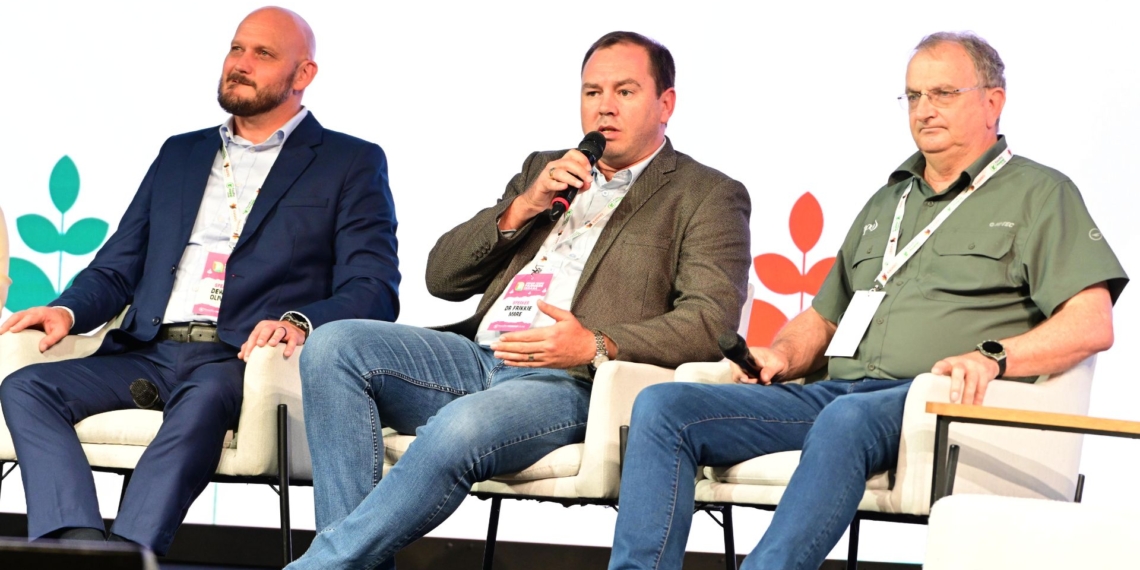
These issues were discussed during a panel at the Mzansi Young Farmers Indaba 2026 in Pretoria, where veterinary experts, farmer organisations, and industry leaders shared insights into the realities facing producers and the steps needed to manage outbreaks more effectively.
Dr Frikkie Maré, CEO of the National Red Meat Producers’ Organisation (RPO), said FMD outbreaks continue to disrupt cattle producers’ ability to sell animals.
Maré explained that movement restrictions can effectively shut farmers out of the market. “The biggest problem is when you don’t have market access. If you cannot sell animals, you are cut off from the market, and you can’t do anything with them.
“The impact goes beyond financial strain. Farmers also face an emotional burden, as witnessing animals suffer from severe clinical symptoms can be deeply distressing,” he said.
Related stories
- SA rolls out FMD vaccines as livestock industry fights back
- Animal health graduates strengthen defences as FMD risk grows
- More para-vets open practices, drive change in animal healthcare
- South Africa’s FMD crisis exposes veterinary system failures
Recognising symptoms and acting quickly
Veterinary specialists highlighted the critical importance of early detection in managing FMD. Stefan Steyn from Afrivet Training Services explained that the disease typically presents with lesions in the mouth and on the feet. Animals often appear reluctant to eat and may gather around water troughs, struggling to swallow.
Blisters can develop on the tongue and dental pad, while severe inflammation around the hoof can cause extreme lameness. In the most severe cases, the hoof may loosen and detach, exposing the underlying tissue and causing intense pain. Farmers are urged to act immediately if any symptoms are observed.
“The first 60 minutes are critical. Isolate the animal immediately and contact your state veterinarian or local vet as quickly as possible if you see lesions in the mouth or between the claws,” Steyn advised.
Dewald Olivier, chief executive officer of Red Meat Industry Services (RMIS), said the industry will assist with vaccine rollout once the required legal processes are finalised.
Olivier noted that the industry will become actively involved in the vaccine rollout once the necessary regulatory processes are finalised. Current industry funding supports disease management initiatives, including mobile processing units, livestock identification tags, and the training of animal health technicians.
“We’ve trained 27 animal health technicians who will assist with vaccinations in the field on behalf of the government, but from the industry side,” Olivier said.

Communal farmers face added challenges
For communal livestock farmers, managing FMD can be even more difficult. Thabiso Sithole, national FMD project manager of the African Farmers’ Association of South Africa (Afasa), said limited infrastructure and resources make disease control harder.
“Many communal farmers lack knowledge about how the disease spreads and how to deal with it after infection,” Sithole said.
In many rural areas, fencing and handling facilities are limited, making it difficult to isolate infected animals.
“In communal areas we often don’t have fences, which means infected animals cannot easily be isolated. That allows the disease to spread faster compared to commercial operations.”
Thabiso Sithole
Dairy farmers also face challenges due to the constant movement of people and products. Fanie Ferreira, CEO of the Milk Producers’ Organisation (MPO), said strict biosecurity is essential but difficult to maintain.
“Biosecurity is extremely important, but on a dairy farm it’s very difficult to rely on biosecurity alone,” Ferreira said. Milk transport, feed deliveries and veterinary visits all create potential risks.
Biandri Joubert, a consultant of international trade and agricultural regulation, said cooperation across the livestock sector remains vital.
“Vaccination, biosecurity and movement control form the three sides of the triangle. All three must work together to protect the industry,” she said.
Despite the challenges, Joubert said industry collaboration has been encouraging.
“I haven’t spoken to a single farmer who wasn’t willing to protect their community and help resolve the problem. The way the industry has pulled together has been a positive outcome,” she said.
READ NEXT: Young farmers tackle land tenure and market barriers