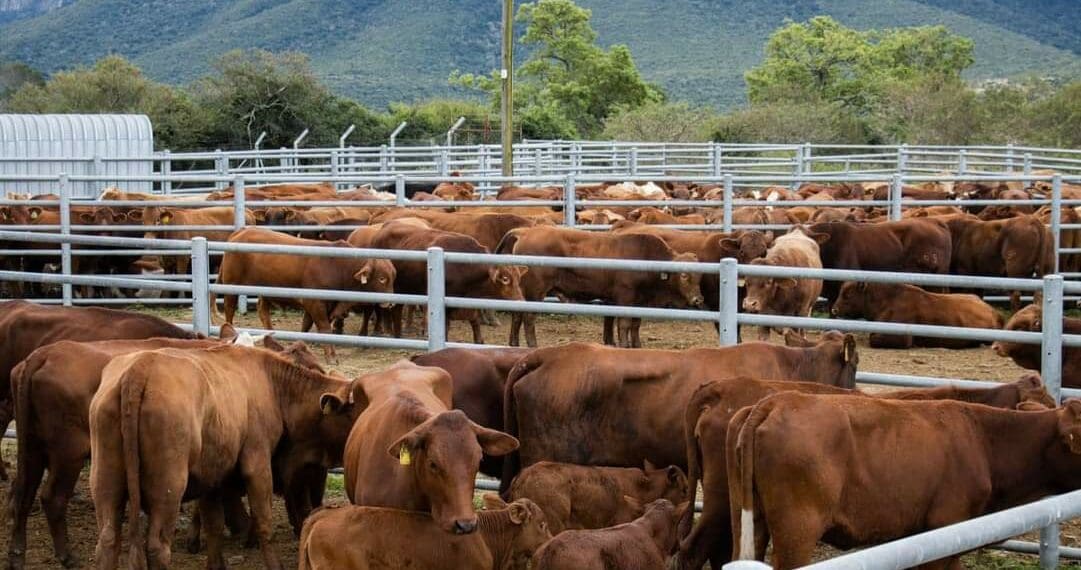
Experiencing abortion in your livestock herd can be a daunting ordeal because you never know if it will be an isolated incident or escalate into an abortion storm. One of the most effective ways to prevent abortions is through a well-structured management plan.
Dr Sakhi Nkosi, a technical veterinarian at Afrivet, emphasises the importance of addressing the numerous causes of abortions in livestock through a focus on prevention and post-abortion management.
What is abortion in livestock?
Abortion is typically defined as the birth of one or more livestock animals between 50 and 270 days of gestation, with the calves either dying or surviving for less than 24 hours.
According to Nkosi, on a practical level, most abortions occurring during the second and third months go undetected until the cow fails to give birth or returns to heat.
“The causes of abortions in livestock are diverse and extensive, with common factors existing across regions and seasons. Frequently, abortion follows an initial acute infection that persists for a few weeks or months,” he explains.
Most herds have an abortion rate of between 1 to 2%, so a single abortion is not a cause for concern. An annual abortion rate of more than 5% is regarded as the threshold for intervention.
However, intervention is often predicated on a group of cows aborting at the same time, rather than the annual abortion rate, which may not exceed 5%. This proactive approach is especially effective for herds that calve seasonally.
READ NEXT: Record-keeping: Know the ins and outs of your cattle
What causes abortions in livestock?
Abortion can be classified as either non-infectious or infectious. In general, infectious causes are more relevant since they are more likely to lead to abortion storms (when more than 10% of cows abort).
“Therefore, causes can be categorised into non-infectious factors, such as exposure to poisonous plants like poison hemlock, lupines, tobacco, locoweeds, pine needles, broomweed, fescue, gossypol plants,” he explains.
On the other hand, non-infectious factors, such as mycotoxin contamination of feed, can also cause abortion outbreaks. Therefore, determining whether abortion is caused by a non-infectious or infectious factor is a crucial element of any abortion inquiry.
Infectious causes of abortions consist of a range of viruses. For instance, the bluetongue virus is prevalent in sheep, but cattle can also be affected. Bovine viral diarrhoea virus and infectious bovine rhinotracheitis (a herpes virus) are observed in cattle, while rift valley fever, particularly in sheep after heavy rains when mosquito populations rise, can lead to abortion storms.
Bacterial infectious agents also contribute significantly to abortions. Bacteria such as brucellosis, campylobacteriosis, chlamydiosis, leptospirosis, listeriosis, coxiella burnetii, and salmonellosis can all be causes.
Protozoal infectious agents such as toxoplasmosis and neospora caninum play a role in inducing abortions.
“It is worth noting that any factor that elevates body temperature, including infections like anaplasmosis and babesiosis, can lead to abortions. Therefore, fever remains one of the most critical causes of abortions in livestock,” he explains.
Prevention is key
The foundation of all abortion prevention in your herd lies in your herd health prevention programme. To reduce the numerous causes of abortions in livestock, general prevention of non-infectious abortion centres around effective husbandry, sound feeding practices, and good management.
“Preventing infectious abortions involves robust disease control strategies, including a closed herd policy, thorough screening, and quarantine procedures for newly acquired or introduced animals, such as rented bulls. Additionally, maintaining high levels of biosecurity is crucial,” Nkosi says.
“When a sporadic abortion or an outbreak of abortions occurs, preventing further incidents can be challenging unless the causative agent is identified and can be eradicated or controlled. In certain cases, like bovine herpes virus, additional abortions may occur months after the initial event,” he explains.
A fundamental aspect of abortion control in a cattle herd is maintaining comprehensive records of abortion events. Identifying the causes in each documented case of abortion is crucial. Reporting such cases to a veterinarian is important for effective management and prevention strategies.
Management: Post-abortion
Many of the diseases that lead to abortion in livestock are caused by organisms that can also affect humans. Therefore, it is important to adhere to stringent biosecurity measures and use personal protective equipment, such as a mask, eye goggles, and latex gloves when handling materials associated with abortion. Using a disinfectant during the washing process is also crucial.
“In the event of an abortion, the initial step is to promptly contact your veterinarian or the veterinary officer in your area. If possible, isolate the affected animals to minimise the spread of disease,” Nkosi advises.
“Proper disposal of the aborted foetus and placenta is essential; place them in a refuse bag and refrigerate until the veterinarian arrives to collect the samples. It is crucial not to wash the foetus, and the site where the foetus was found should be buried with soil to prevent other animals from consuming or smelling pathogens in the area.”
These precautionary measures are vital to safeguard both animal and human health and to facilitate accurate diagnosis and effective management of diseases associated with livestock abortions.
ALSO READ: Land reform resolutions: A year later, is the ANC delivering?
Vaccinations: Safety comes first
According to Nkosi, vaccination can be a valuable tool in preventing certain causes of abortion in livestock. However, it’s important to note that not all abortions can be prevented through vaccination, as the efficacy of vaccines varies depending on the specific pathogen involved.
Take note of the following:
- Vaccination is a necessary component of an overall herd health plan.
- It is not a cure for ineffective management.
- Many of the infectious illnesses that cause abortions in cattle now have safe and effective vaccinations available.
- Work with your veterinarian to create a vaccination schedule aimed at the diseases that threaten your farm.
- Vaccines will not work if they are not handled and administered correctly; read and adhere to the directions on the label and package insert.
“There are various pharmaceutical companies in the country that provide vaccines against the pathogens that cause abortions in our livestock. One example of a vaccine commonly used to prevent abortions in livestock is a vaccine against brucellosis, which is commonly distributed by the government for cattle.
“It’s crucial to consult with a veterinarian to determine the specific vaccination needs based on the prevalent diseases in a particular region and the type of livestock,” he explains.
ALSO READ: Podcast: Land Bank’s asset insurance is the lifeline you need
Sign up for Farmer’s Inside Track: Join our exclusive platform for new entrants into farming and agri-business, with newsletters and podcasts.