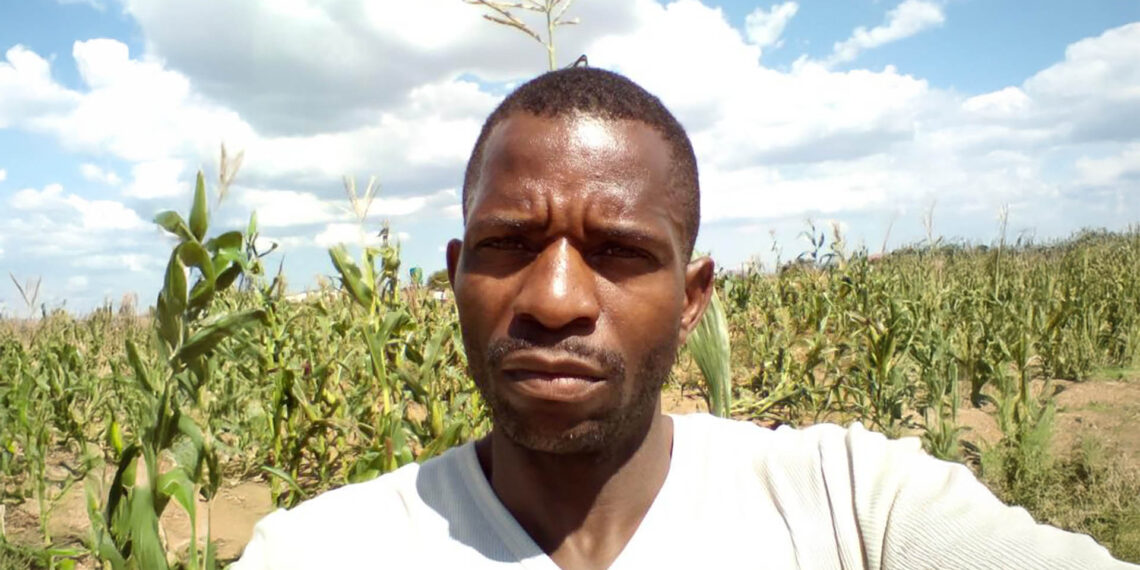
In a country where small-scale farmers often struggle to break into commercial markets, Petrus Maloka from Makgwareng in Limpopo is rewriting the rules. He farms on less than a hectare and has managed to tap into retail markets, proving that even the smallest farms can make a big impact.
From a young age, Maloka tended a food garden and raised indigenous chickens, learning from his father. In 2014, he began breeding indigenous chickens and saving to pursue his dream of crop production.
“My dad always kept indigenous chickens, and as far back as I can remember, I was the one taking care of them,” he says.
At first, the chickens roamed freely around the village, but the family eventually stopped keeping them. Years later, Maloka saw a growing demand for certain high-value breeds, reigniting his interest in poultry breeding.
“During this time, I also began growing my own chicken feed using seeds sourced from commercial mixed fowl feed,” he explains.
Today, on just 0.5 hectares, this small-scale farmer grows strawberries, sweet potatoes, bell peppers, and cabbages. Though he has access to nine hectares, financial constraints limit him to a fraction of the communal farming land. On his farm, every square metre counts.
Brain power boosts farming business
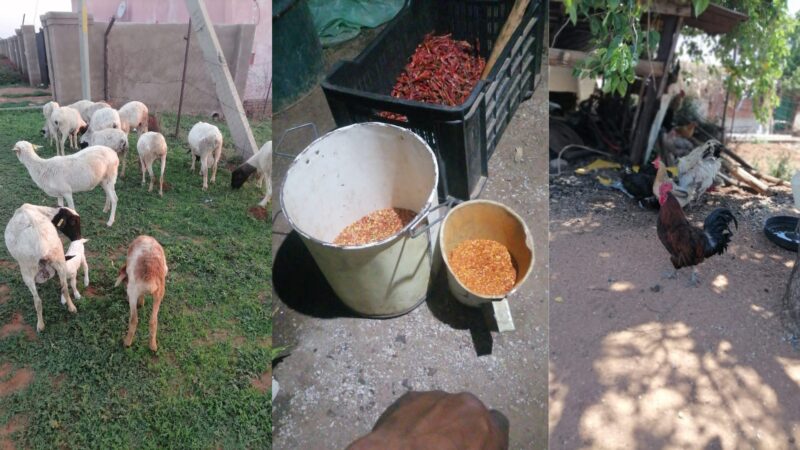
Through his company, Serogole Agric Enterprise and Landscaping, Maloka has caught the eye of major retailers like OK Foods and Spar with his green peppers, spinach. However, his impact goes beyond these retail giants – he also brings fresh produce, chickens and goats straight to his community and neighbouring areas, bridging the gap between small-scale farming and thriving markets.
Maloka’s small-scale success is built on a strong academic foundation. He holds a bachelor’s degree in agricultural management and an honours in agricultural management horticulture from the University of Limpopo.
Beyond the classroom, he gained hands-on experience through the National Unemployed Graduate Programme, where he secured an internship as an agricultural advisor.
Over the years, he has also learned invaluable lessons from experienced farmers and farmworkers. “All these experiences motivated me to pursue farming as a career,” he says.
Related stories
- Goat matchmaker Vuyisile finds purpose serving traditional healers
- Soybean farmer turns challenges into 160 hectares of success
Turning up the heat
Maloka has expanded his business by adding an agro-processing component and grinding his chillies into fine powder.
He relies on informal markets, selling directly on the streets and at shisanyamas. Additionally, he dries vegetables for sale, further diversifying his offerings.
With his farming experience and agricultural qualifications, Maloka has explored various market opportunities, particularly retail, which he finds offers more reasonable and achievable demands than the typical hawker market.
“I found retail to have more reasonable and achievable demands, as opposed to the common market (hawkers),” he says.

As a small-scale farmer, he emphasises that quality products start with good agricultural practices, which unlock opportunities in any market. “Branding and proper packaging are key,” he adds.
Diversification drives Maloka’s success
There’s more to this mover and shaker. In response to the water scarcity in his community, Maloka has launched a water sales business.
Alongside this, he offers agricultural advisory and consultation services, using his expertise to empower others in farming.
His journey hasn’t been without challenges, particularly with input and infrastructure costs. However, the National Unemployed Graduate Programme provided crucial crop production knowledge and a two-year stipend, which helped fund his business.
“I always take time to analyse my business’s performance, but my deep love and experience for agricultural work remind me that farming is life,” Maloka concludes.
He now plans to expand his small-scale farming operations across the rest of his land and takes pride in blending precision agriculture with traditional conservation farming techniques, supported by modern equipment.
“I had to find my path between traditional farming methods and commercial, well-researched approaches to achieve the quality and quantity my project requires,” Maloka explains.
READ NEXT: Jacques Theron’s dairy legacy: From 6 cows to industry leader
Get Stories of Change: Inspirational stories from the people that feed Mzansi.