President Cyril Ramaphosa’s decision to sign the Expropriation Act has sparked a wave of mixed reactions. While organised agricultural groups have criticised the move, accusing the president of prioritising political agendas over the nation’s best interests, others have commended him for the bold move.
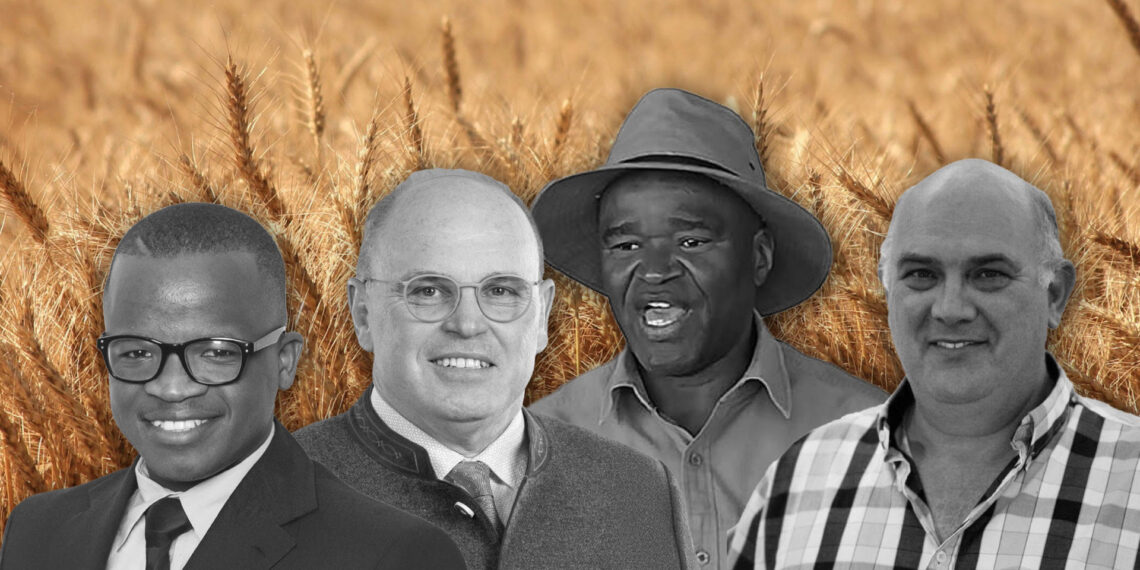
The executive chairman of the Southern African Agri Initiative (Saai), Dr Theo de Jager, said the signing of the Bela Act and the expected implementation of the National Health Insurance Act were devastating for investors’ confidence, trust in the government of national unity, and economic recovery, and farmers are deeply upset about the Expropriation Act.
Next step, court
“The act grants wide expropriation powers to provincial and local authorities, where corruption, maladministration, and nepotism are at their worst.
“Farmers whose land is expropriated for land reform will have to fight corrupt officials in court at their own expense, while these officials have unlimited access to taxpayers’ money. Saai has costly experience in court cases where the state has been reprimanded by the courts for maladministration and abuse, yet with no consequences for the corrupt cadres in government departments,” he said.
Related stories
- Ramaphosa signs controversial Expropriation Bill into law
- Agriculture sector calls for growth and trust from GNU in 2025
Chief executive officer of AgriSA, Johann Kotzé, said they are disappointed with the president signing the bill into law.
“The signing of the Expropriation Bill poses a risk to private property rights which is the primary basis on which South African agriculture is structured. Consequently, the bill poses a risk to agricultural sustainability and food security.
“Therefore, AgriSA is committed to defending property values and rights and will utilise all necessary resources in consultation with legal experts to uphold these principles.”
AgriSA CEO Johann Kotzé
“The organisation requested that the president either refer the Expropriation Bill back to the National Assembly for reconsideration or consult the Constitutional Court for a decision on the bill’s constitutionality before signing,” he said.
Kotzé expressed that while supporting the need for transformation and land reform in the agricultural sector, AgriSA emphasises that it must not come at the expense of the economy and investor confidence.
“This assessment reiterated AgriSA’s long-held conviction that fostering capital formation is interlinked with private property rights and is subsequently a crucial prerequisite for economic development, job creation, and growth.”
According to Kotzé, their organisation remains dedicated to protecting private property rights and fostering the growth and stability of South Africa’s agricultural sector while ensuring food security for all.
Call for cool heads
Meanwhile, Saamtrek Saamwerk chairperson Sehularo Sehularo said as they welcome the development of this burning issue, they will await guidelines on how the processes will unfold.
He called on the government and stakeholders to put food security at the top of the agenda in the entire process and avoid unnecessary tensions.
“We hope that with this bill now being a law, it will be used for the benefit of all. No grazing land must be taken just for the sake of being taken, those with the appetite for farming should learn and understand the law, it should not be free for all.
“At the same time, we call on those who have land and [are] willing to teach to come forth and lend a helping hand to those who will be getting land. No farming land should be taken just because a person is white and such land not be used. The law will have to have guidelines and such should be followed. We commend the president for signing the bill – it is a historic moment in our country.
Agbiz chief economist Wandile Sihlobo said although the new Expropriation Act now explicitly allows R Nil compensation to be awarded in certain circumstances, the result must be just and equitable.
“The term R Nil compensation implies a calculation considering all relevant factors. Agbiz will watch the implementation of the act closely as well as any cases that may come before the courts to get a sense of how the definition of expropriation and the R Nil compensation clause get applied and interpreted,” he said.
READ NEXT: SA ministers strengthen German-African agribusiness ties
Sign up for Mzansi Today: Your daily take on the news and happenings from the agriculture value chain.