The rising costs of cocoa and sugar, driven by unfavourable weather conditions and supply chain issues, are significantly increasing chocolate prices globally. Thabile Nkunjana, a senior economist in the markets and economic research division of the National Agricultural Marketing Council, says this trend is particularly impactful in South Africa, which relies heavily on imported cocoa and chocolate products.
In the near future, some consumers may cut back on their chocolate consumption or temporarily switch to other “pleasure” providers due to the high cost of sugar and cocoa on a global scale.
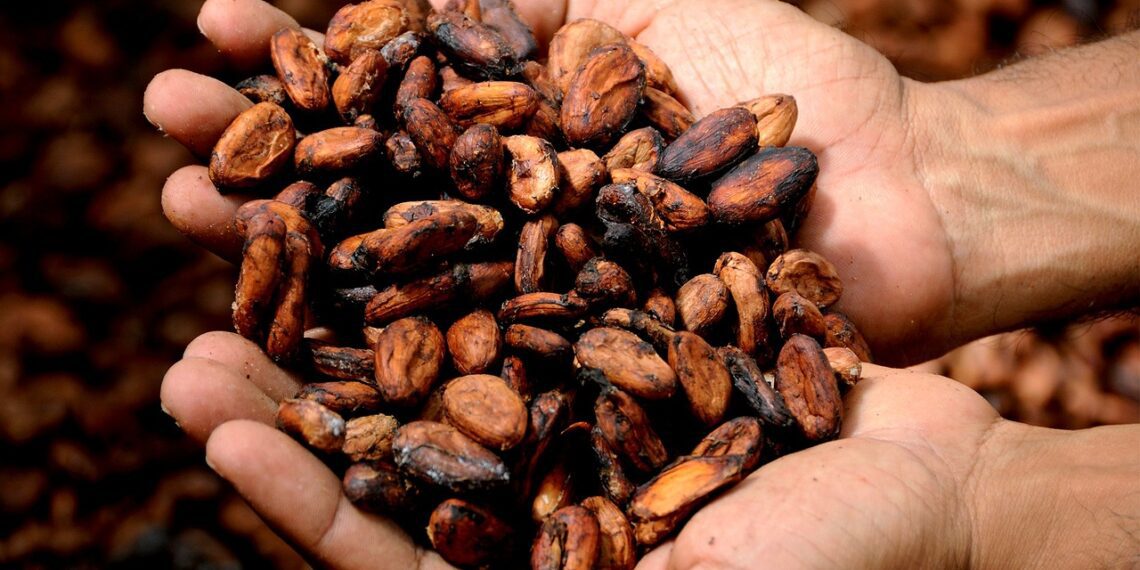
Unfavourable weather in West Africa, which provides at least 70% of the world’s cocoa, and increased sugar prices as a result of supply issues are the factors driving up cocoa prices, and consequently chocolate prices across the world.
A kilogramme of cocoa was selling for 7.09 USD in March 2024, up from 2.75 USD in March 2023, a 158% year-over-year increase. Month-over-month, the price increased by 28%, from 5.56 USD in February 2023 to 7.09 USD in March 2024.

As of March 2024, the average price of a kilogramme of cocoa globally increased from 3.28 USD in 2023 to 5.68 USD.
Another component in the making of chocolate is sugar, whose prices have been noticeably higher since the middle of 2023. By the end of March 2024, sugar prices were 5% higher year over year globally, despite a monthly decrease of 5.3%.
According to the United Nations Food and Agricultural Organisation (FAO), Brazil’s significant exports affected global sugar prices in March. Nonetheless, ongoing worries about the Brazilian crop, which was badly impacted by protracted dry weather, exacerbated seasonal patterns and restrained the price decrease.
READ NEXT: Bad news for chocolate lovers: Cocoa crisis hits West Africa
What does this mean for SA chocolate processors?
South Africa is the biggest importer of cocoa and cocoa preparations from Africa. Imports rose by 21% annually in 2023 to R3.4 billion from R2.8 billion the year before.
Due to the lack of domestic cocoa production, the country imports significant amounts of chocolate as well as materials like cocoa paste, oil, fat, butter, or powder that are used to make chocolate at a global price.
For example, South Africa’s imports of chocolate alone increased by 20% to R2.3 billion in 2023 from R1.9 billion the previous year. Belgium, Italy, Germany, the UK, and Poland are the main suppliers.
On the other hand, chocolate paste, a necessary component in the production of chocolate, increased in value from R286.2 million to R385.3 million in 2023. This was a 35% rise, and the leading African suppliers of cocoa paste to South Africa were Cote D’Ivoire and Ghana.
Cocoa prices have been rising in recent years in part due to production challenges from the main producers which include Cote D’Ivoire, Ghana, Nigeria, and Cameroon. Among the major problems cocoa producers have experienced recently include increased fertiliser prices because of the conflict in Ukraine, restricted access to financing, and poor infrastructure.
READ NEXT: El Niño has ended but its devastating legacy lingers
Environmental challenges
Environmental activists are also exerting more and more pressure in connection to the increase in the cocoa industry. Increased deforestation and biodiversity loss from top growers globally are said to be consequences of cocoa production. Producers of palm oil are under the same pressure.
Chocolate lovers may anticipate price increases in the medium term, and weather is the greatest hope to keep prices in check because it should get better as anticipated by the International Research Institute for Climate and Society from Colombia.
Due to current prices, obtaining and processing cocoa is relatively expensive for South African chocolate makers, who rely on imports of the cocoa bean.
The price of chocolate will probably climb even further because of the increase in cocoa prices. As a result, to recoup their production costs, chocolate processors will be forced to offer their products at outrageous rates.
For various reasons, however, this might not be entirely beneficial for manufacturers of chocolate. Since chocolate is not necessarily a need, consumers can cut back on its consumption or temporarily quit purchasing it.
Producers could suffer from this and risk their profitability, capacity to stay in business, or worse, their ability to keep workers.
- Thabile Nkunjana is a senior economist in the markets and economic research division of the National Agricultural Marketing Council (NAMC). The views and opinions expressed in this article are those of the author and do not necessarily reflect the views or positions of Food For Mzansi.
READ NEXT: Malawi’s maize woes escalate as nation leans towards SA
Sign up for Mzansi Today: Your daily take on the news and happenings from the agriculture value chain.