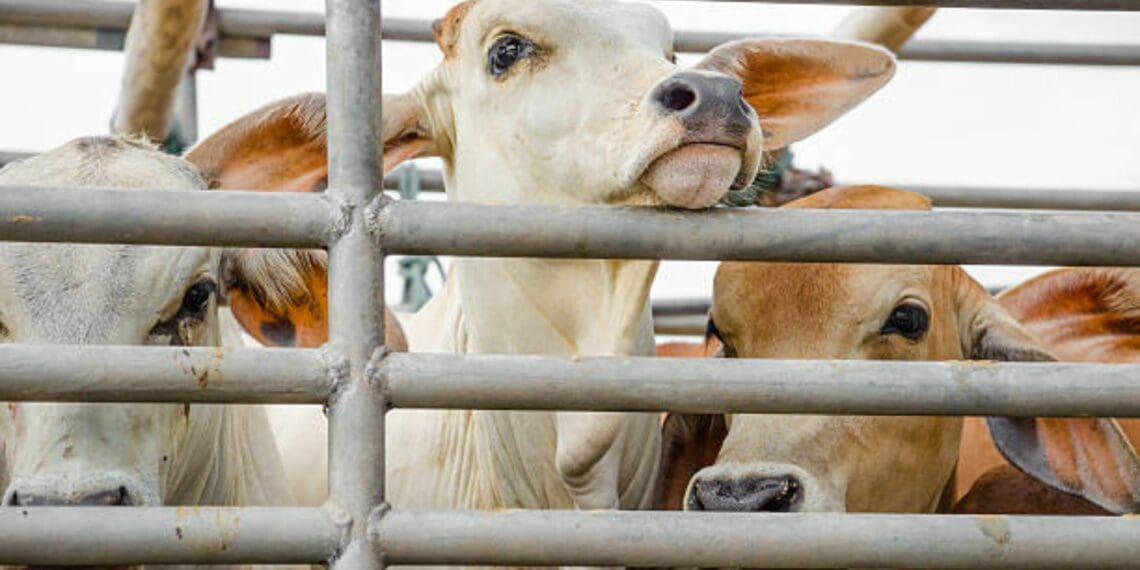
The Western Cape has received more than 597 000 doses of foot-and-mouth disease (FMD) vaccine from the department of agriculture, with approximately 480 000 doses already administered across the province.
Following a recent meeting of the Western Cape department of agriculture’s FMD War Room, the Western Cape minister of agriculture, economic development and tourism, Dr Ivan Meyer, provided an update on the province’s response to the FMD outbreak.
Vaccination efforts have reached all districts, with more than 382 209 primary vaccinations completed, representing 82% of the provincial herd. A further 97 560 booster vaccinations have been administered. In total, 479 769 animals, including commercial and subsistence livestock, have been vaccinated.
Vaccination response plan pays off
“The Western Cape’s response to foot-and-mouth disease demonstrates what can be achieved when government, farmers, private veterinarians, industry stakeholders and communities work together.
“While challenges remain, we have made substantial progress in containing the disease and protecting one of the province’s most important agricultural sectors,” Meyer said.
The first FMD outbreak in the Western Cape was confirmed on 3 November 2025 on a farm near Gouda in the Cape Winelands District. The affected farm had 679 cattle and 1 597 sheep. Since then, the Western Cape department of agriculture has implemented an aggressive containment and response strategy based on a comprehensive 21-point plan.
Related stories
- Rapid response halts foot-and-mouth spread in Western Cape
- FMD milestone: North West vaccinates over one million cattle
- Western Cape pledges R22m for drought-hit livestock farmers
- Western Cape fires destroy farmland and livelihoods
“Every suspected case is treated with urgency. Our veterinary teams continue to investigate, monitor and trace potential infections to prevent further spread and to safeguard our farmers and the broader agricultural economy,” he said.
WC strengthens surveillance and containment measures
The province has also strengthened its disease response capacity through the establishment of an innovative FMD War Room, enhanced surveillance, movement controls, quarantine measures, traceability programmes and public awareness campaigns. These interventions are supported by a veterinary services workforce of 103 professionals and officials, backed by a budget of R152 million.
Meyer said the successful response has been underpinned by transparency, cooperation and evidence-based decision-making.
“The Western Cape’s 21-point plan, combined with the work of the FMD War Room, has enabled early coordination, rapid response and targeted vaccination. The trust built between government and stakeholders has strengthened our ability to manage the outbreak effectively.”
He thanked farmers, veterinary professionals, organised agriculture, industry partners, municipalities and officials for their continued cooperation.
“Protecting animal health is critical to protecting jobs, food security and economic growth in the Western Cape. We remain committed to working with all stakeholders to contain foot-and-mouth disease and ensure the long-term resilience of our agricultural sector,” he added.
READ NEXT: Post-storm recovery: Managing soil and stock after severe weather