Disease preparedness, strict biosecurity and disciplined farm management are essential to safeguard the future of South Africa’s pork industry.
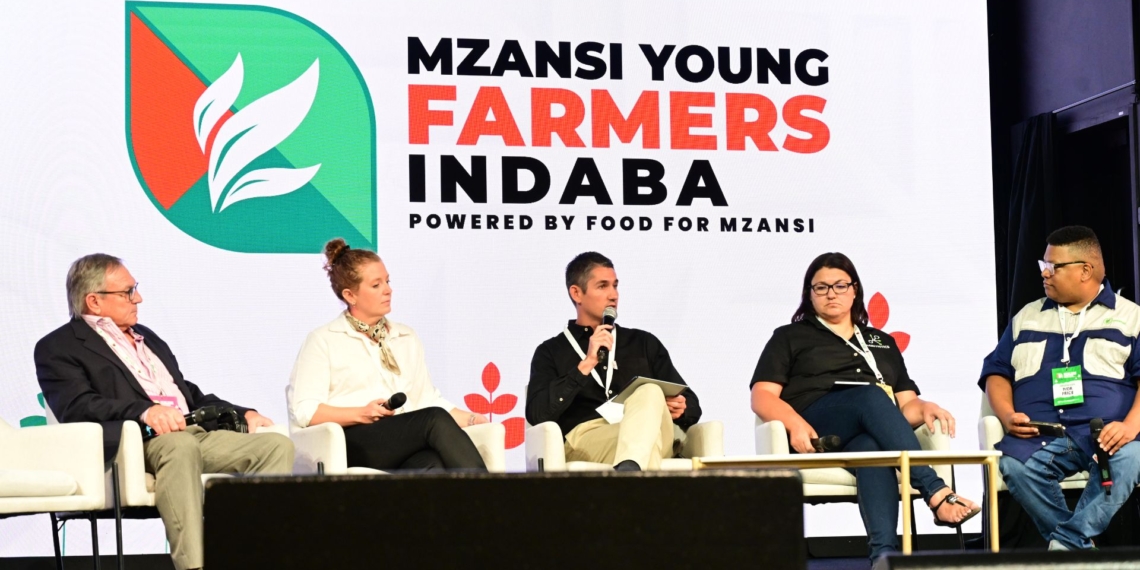
Industry experts at the Mzansi Young Farmers Indaba in Pretoria discussed livestock diseases and its impact on pig farming.
Head of the operational centre at the Red Meat Industry Services (RMIS), Dr Peter Evans, said farmers must clearly understand the difference between African swine fever (ASF) and foot-and-mouth disease (FMD) affecting the country.
He explained that African swine fever affects only pigs, while foot-and-mouth disease affects all cloven-hoofed animals, including cattle, sheep and pigs.
Historically, both diseases were largely confined to specific regions in South Africa. African swine fever was mainly present in northern areas where the natural wildlife reservoir exists. At the same time, foot-and-mouth disease was largely restricted to areas linked to wildlife populations near the Kruger National Park through strict control measures.
However, Evans noted that human behaviour has played a major role in spreading both diseases beyond these zones.
Threat of old and new animal diseases
While FDM spreads extremely quickly through herds, Evans noted that many animals can recover from it, although it remains highly disruptive to farming operations and trade. ASF, on the other hand, has no cure with a 100% mortality rate, and there is no approved vaccine to treat infected pigs.
Evans added that farmers must accept that new animal diseases will continue to emerge, making adaptability and proactive management essential.
He explained that while well-known diseases such as FMD and ASF have long histories, new diseases are constantly being discovered worldwide. Farmers, therefore, need to modify their behaviour and farming practices, particularly biosecurity, to protect their operations from both known and emerging threats.
Related stories
- No market access, no future: The heavy cost of FMD
- SA rolls out FMD vaccines as livestock industry fights back
- Farmers urged to embrace agroprocessing for growth
- Animal health graduates strengthen defences as FMD risk grows
Evans emphasised that the entire livestock value chain must collaborate more closely, from farmers and veterinarians to genetics companies and policymakers.
“If we do not change and anticipate what might be coming, we could face something in the next five to ten years that is as devastating as recent outbreaks have been for the pig industry,” he said.
Consumer confidence remains critical
Meanwhile, Dr Dorothea Mostert, veterinarian and partner at CS Vet Veterinary Consultancy, addressed concerns around disease outbreaks and consumer confidence in pork.
She clarified that diseases such as foot-and-mouth disease do not pose a risk to human health.
“Pork remains safe for people to eat. The concern during outbreaks is not food safety but the possibility that infected meat moving between locations could spread the virus,” Mostert said.
She explained that South Africa’s meat safety systems provide strong safeguards, particularly when products pass through official inspection systems designed to manage disease risks.
According to Mostert, maintaining public trust in these systems is vital for the industry. “Misinformation and fear can sometimes do more damage than the outbreaks themselves,” she said, adding that farmers and industry leaders must communicate more effectively with consumers about the safety of pork.
Andrew Reeders, general manager of Topigs Norsvin South Africa, encouraged young farmers to treat biosecurity as a daily discipline rather than simply a concept discussed during disease outbreaks.
He advised farmers to identify all potential risks on their farms and implement layered biosecurity systems to reduce the likelihood of infection.
Everyone on the farm is responsible for biosecurity
Farmers may not always be able to prevent viruses from emerging, Reeders said, but they can prevent confusion and panic during outbreaks by ensuring they have reliable information, strong systems and access to expert advice.
“The goal is to remove chaos and replace it with control,” he said.
Mostert added that one of the most common weaknesses in farm biosecurity is inconsistency. She explained that biosecurity systems must be practical and simple enough for everyone on the farm to follow.
The greatest risk arises when farmers or managers make exceptions to established rules, creating loopholes that pathogens can exploit. “As soon as we start bending the rules, the system breaks down, and that opens the door to disease,” she said.
The panel concluded that young farmers entering the pork industry must prioritise preparedness, discipline and collaboration.
With disease risks evolving and global trade increasingly sensitive to outbreaks, strong farm management practices will remain the foundation of a resilient pork industry.
READ NEXT: Strategic breeding: How Chianina genetics can boost a beef herd