Today, the South African Reserve Bank (SARB) announced that it will not change its key interest rate, known as the repo rate. This decision was widely expected, as the bank is waiting to see how both US monetary policy and inflation in South Africa develop before making any moves.

John Hudson, head of agriculture at Nedbank Commercial Banking, shared his perspective on this decision.
He mentioned that many economists, including those at Nedbank, anticipate the SARB to lower the interest rate later this year, possibly in September and November.
Hudson says, “With agriculture a big borrower, these expected interest rate reductions later this year will bring some much-needed relief to a sector which has experienced several challenges of late, such as the recent extreme weather events.”
On the other hand, NWU Business School economist Professor Raymond Parsons explained the SARB’s decision-making process. He noted that the majority of the monetary policy committee, which decides on interest rates, voted to keep rates unchanged.
They are concerned about inflation, which they want to keep stable around their target of 4.5%. Parsons mentioned that while there is a chance rates could go down later this year, any cuts are likely to be small, maybe starting with a 0.25% reduction.
Looking ahead, economic growth forecasts remain modest, reflecting ongoing uncertainties in the global and local economies. Parsons says economic reforms and policy certainty are crucial for boosting investor confidence and supporting growth.
For Mzansi’s agriculture sector, which plays a vital role in the economy, the decision to maintain interest rates means that borrowing costs will stay the same for now. The potential for rate cuts later in the year offers hope for some financial relief, but stakeholders across sectors are advised to watch economic developments closely in the coming months.
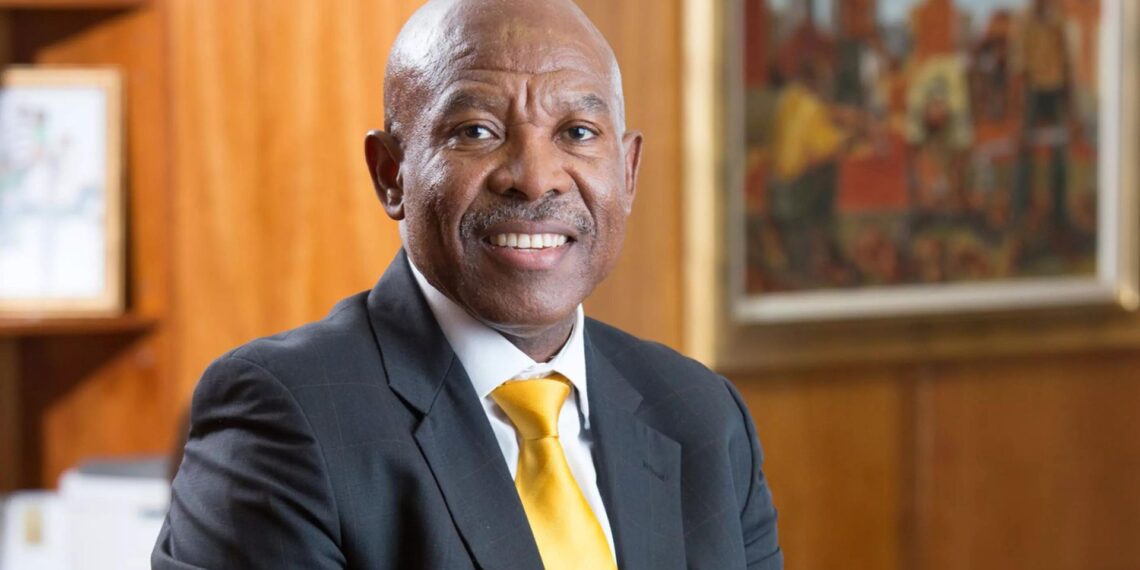
SARB governor Lesetja Kganyago says global inflation is starting to decrease, though significant price increases are still affecting stability. He adds that the fight against inflation is ongoing and remains challenging.
READ NEXT: Mpumalanga veggie king: 5 000 cabbages per weekend!