Older people living in the city often have very little to do, as few spaces are designed specifically for them. Recognising this gap, a group of seniors in Khayelitsha, Cape Town, created a nurturing space of their own.
Today, Sinovuyo is more than a meeting place. It is a warm community where seniors knit, cook, garden, and take regular walks together, strengthening both their bodies and their sense of belonging. On Thursdays, they take part in prayer ceremonies, socialising, and choir singing.
Sinovuyo Senior Club was established in May 2015 by seniors from Khayelitsha, specifically Iitha Park, Harare, and Makhaya. Sinovuyo means “we are happy” or “joyous” in isiXhosa.
A place seniors call home
The solidarity space was founded by community members, including the late Agnes Magoda, the late Sewete Rooiland, and Murel Nkayi, who is currently at home due to health challenges.
When they felt that older people were being left out, they came together to create a home away from home.
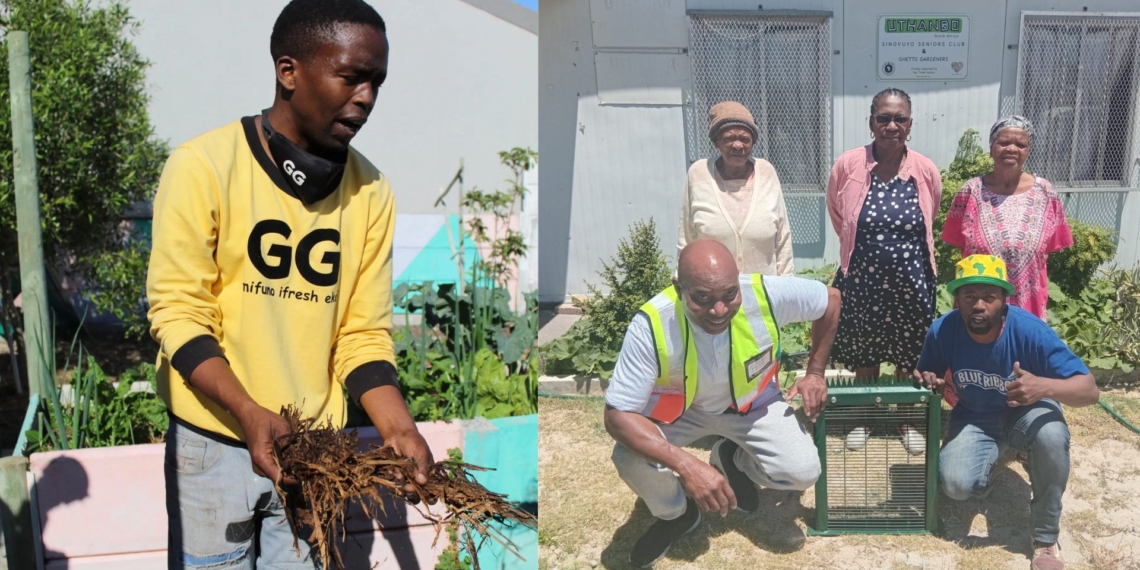
Ludwe Qamata connected with the group through Uthando South Africa in 2019 to establish a garden for them. Uthando South Africa’s support included compost, seeds, seedlings, materials, and even a stipend.
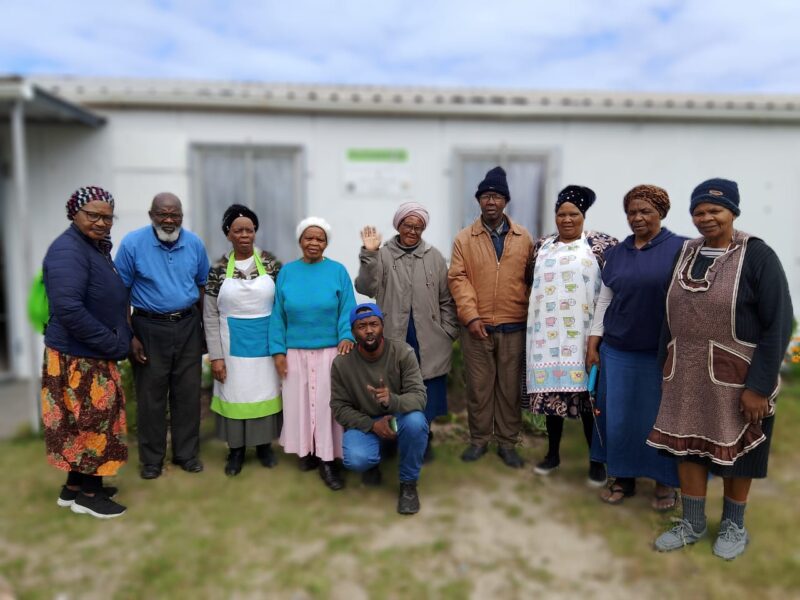
Qamata says meeting the seniors, who are welcoming, eager to learn, and supportive of one another, has been an amazing journey.
“I felt at home from day one. They have made this a home for everyone who walks in.”
Growing nutritious, fresh food
Qamata is responsible for the garden, planting fruit trees such as apples, peaches, raspberries, gooseberries, and avocados, as well as flowers and herbs.
Related stories
- Seed libraries, food gardens empower Cape communities
- Triangle Project: Food gardens flourish in LGBTQI+ communities
- A garden of possibilities, not disabilities
- ‘Ghetto Gardener’ is gardening his way into a better life
Most importantly, he grows vegetables that form part of the seniors’ daily nutrition, including cabbage, pumpkins, peppers, tomatoes, spinach, peas, beans, onions, curly kale, sweet potatoes, potatoes, beetroot, turnips, maize, and brinjals.
“These crops are for the home, and in this home, they decide in the kitchen what they want to cook each day, and I help harvest for them.
“My work includes maintaining the garden and making sure it runs smoothly to produce food each season.”
Now, Hollywoodbets South Africa sponsors the material for their activities, and Nocawe Mamli assists with training.
Where community and care bloom
The club does not grow everything it needs. Qamata says some supporters occasionally assist with groceries, including Blue Ribbon, SuperSpar, and Ikwezi Meat in Iitha Park. The seniors also contribute R100 each month towards cleaning services.
“Blue Ribbon is consistent. I collect about 40 loaves of bread every week,” says Qamata.
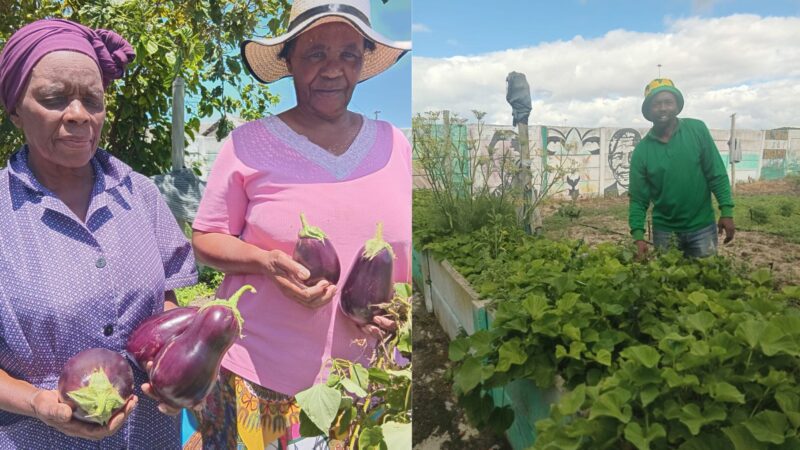
Uthando South Africa also collaborates with Fair Trade Safaris to support the seniors with local tours. Visitors are brought to Sinovuyo to witness the spirit of solidarity and the beauty of the gardens.
“This helps because whatever donation visitors leave makes a huge difference,” he says.
Sinovuyo serves seniors between the ages of 60 and 94. Most remain active, cleaning, cooking, and caring for the space themselves. Qamata notes that one of their most enjoyable activities is taking part in fun walks.
Changing lives together
Xolani Maseko, a specialist excursion facilitator and storyteller with Uthando South Africa, says the organisation provides financial support to a wide range of community development projects focused on key areas of human development. These include food security, education, healthcare, shelter, skills development, sport, social services, and animal welfare.
He explains that their work helps under-resourced communities gain access to basic needs and improve their overall well-being.
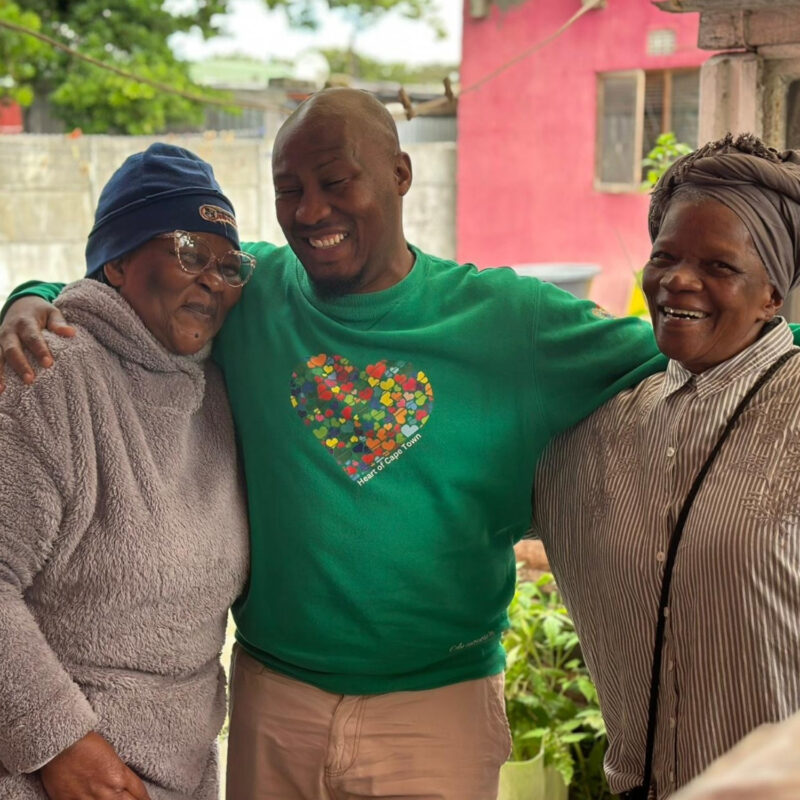
“Nowhere else will you find an opportunity to sit and have a conversation with elders who have been through so much and are still so loving and welcoming, like at Sinovuyo Senior Club,” he says.
According to Maseko, tourist visits to Sinovuyo are deeply meaningful. “It matters a lot because visitors find the experience rewarding and humbling. Many have never seen such a powerful example of forgiveness and reconciliation, which is such an important part of who we are in Mzansi.”
READ NEXT: How 6 women and a garden are transforming rural village