Sunday, September 6, 2026
SUBSCRIBE
22 GLOBAL MEDIA AWARDS
Food For Mzansi
  • News
  • Changemakers
  • Lifestyle
  • Farmer’s Inside Track
  • Food for Thought
No Result
View All Result
  • News
  • Changemakers
  • Lifestyle
  • Farmer’s Inside Track
  • Food for Thought
No Result
View All Result
Food For Mzansi
No Result
View All Result
in News

Uncertainty looms over winter crop planting season

As South Africa faces the aftermath of El Niño, its agriculture braces for impact in the upcoming winter crop season. Farmers adapt to extreme dry weather, employing innovative irrigation methods and shifting crop varieties to mitigate losses. Uncertainty looms over winter planting decisions amid limited rainfall forecasts

by Sinenhlanhla Mncwango
17th April 2024
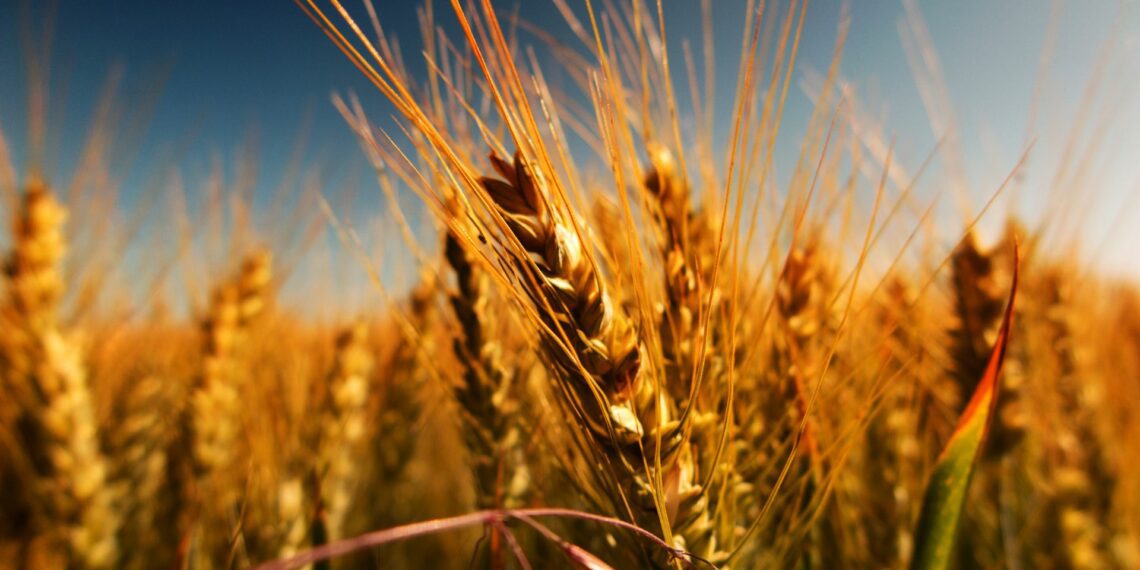
Grain SA says the challenges faced during the winter season, exacerbated by low margins on crops like maize, attributed to international supply dynamics and global price pressures. Photo: Supplied/Food For Mzansi

South Africa's agricultural sector remains resilient despite a dip in confidence. Photo: Supplied/Food For Mzansi

Share on FacebookShare on TwitterShare on WhatsApp

As South Africa navigates through the aftermath of El Niño, its agriculture sector braces for the significant impact it could have on the upcoming winter crop season. As the country approaches the winter planting season, concerns loom over the potential challenges posed by limited rainfall.

The erratic and extreme dry weather conditions brought forth by El Niño challenge farmers to adapt swiftly, often resorting to innovative irrigation methods or shifting crop varieties to mitigate losses.

According to National Agricultural Marketing Council (NAMC) economist Thabile Nkunjana, the consequences of El Niño are being felt in South Africa’s agriculture industry, with notably lower summer crop yields expected in 2023–2024.

Shift in seasons brings uncertainty

He added that the country is currently shifting to the winter crop planting season for 2024–2025, which usually begins in late April or May, depending on where you are in South Africa.

“With the El Niño phenomena, there is a lot of uncertainty regarding the weather and, consequently, the winter crop that South Africa is going to plant. Wheat is the second most popular grain in South Africa after maize hence its importance for the country’s food security. Other winter crops are barley and canola.

“Farmers’ decisions to plant winter crops, such as wheat, are likely to be influenced by the current weather forecast,” Nkunjana said.

Thabile Nkunjana is a senior economist. Photo: Supplied/Food For Mzansi

Predictions for a neutral winter

Nkunjana believes that a neutral weather state is anticipated between April and June of 2024, according to the International Research Institute for Climate and Society and the South African Weather Service.

“The Western Cape, the primary region that produces winter crops, is thought to be able to obtain the average rainfall required to sustain the winter crop season in a neutral weather state.

“The most significant thing to note as the country approaches winter is that a better weather forecast than what it currently is would probably encourage farmers to plant more, which would be in line with future lower production of summer crops,” he said.

Chief economist at Agbiz Wandile Sihlobo said the country is entering into another critical period for South Africa’s field crops, with farmers in the Western Cape likely begin to prepare the soil for the 2024/25 winter crop production season by the end of April.

Nkunjana further explained that the International Research Institute for Climate and Society expects a La Niña phenomenon as the most likely conclusion from July to September 2024 and November to January 2025.


Related stories
  • How crop farmers can prepare for the winter
  • Crop crisis reveals El Niño’s toll on Southern Africa
  • Maize failure in Africa an opportunity for global cooperation

Preparing for winter crop planting

Meanwhile, KwaZulu-Natal crop farmer Zandile Cele told Food For Mzansi that planting on time sets the foundation for successful growth, development, and optimal utilisation of resources throughout the farming cycle

“Planting on time allows crops to benefit from early rainfall or moisture in the soil ensuring optimal water availability during critical growth stages.

“When planting on time, crops can escape periods of high pest and disease activity such as the stalk borer in maize, reducing the risk of significant damage,” she said.

Nkandla crop farmer Zandisile Cele. Photo: Supplied/Food For Mzansi

For Cele, winter brings the biggest challenge, which is limited rainfall in her area. She explained that she and her team have planted dry beans and as farmers who do not have an irrigation system yet, it is a challenge.

“But we can leave some grass to attract dew so that our beans can continue to grow. While doing that grass transports pests and diseases and forces us to spend more money on pesticides,” she said.

She believes that regardless of the predicted dry winter, farmers should be able to have a successful winter planting season.

“It can work for them if they practice planting on time because crops have a better chance of escaping drought conditions if rainfall becomes scares after the onset of the growing season,” she said.

ALSO READ: InteliGro MD steps down, embraces new role within WUSA

Sign up for Mzansi Today: Your daily take on the news and happenings from the agriculture value chain.

Sinenhlanhla Mncwango

Sinenhlanhla Mncwango is from a small town in KZN. She is a Journalism Honours graduate from the University of Johannesburg and has experience in online news, sports journalism and radio. She enjoys a good game of cricket and hockey and is interested in learning different languages.

Tags: Commercialising farmerEl NinoInform meKwaZulu-NatalSAWSThabile Nkujana
Tough times, hardy cattle: Why Mzansi farmers are choosing Nguni
News

Tough times, hardy cattle: Why Mzansi farmers are choosing Nguni

by Vateka Halile
3rd September 2026

Nguni cattle are known for their hardiness and low-maintenance needs, making them ideal for Mzansi's harsh conditions. However, market prejudice...

Read moreDetails
Dragon fruit thrives in KZN valley despite tough national season

Dragon fruit thrives in KZN valley despite tough national season

3rd September 2026
The future of Mzansi's sugar industry hangs in the balance

Government hikes sugar import price, but industry warns of gap

3rd September 2026

Chicken is booming, but the real money is in the supply chain

2nd September 2026
How Tebogo beat post-harvest losses with smart agro-processing

How Tebogo beat post-harvest losses with smart agro-processing

2nd September 2026

Early calf care: Key growth targets every cattle farmer must track

KZN farmer loses 90% of crop amid severe water shortages

Foot-and-mouth crisis hits SA dairy industry with R1-billion loss

Honoured roots: A father’s legacy, a daughter’s farming dream

Tough times, hardy cattle: Why Mzansi farmers are choosing Nguni

Join Food For Mzansi's WhatsApp channel for the latest updates!

JOIN NOW!
Next Post
The future of food: Prepare for burger-flipping robots

The future of food: Prepare for burger-flipping robots

THE NEW FACE OF SOUTH AFRICAN AGRICULTURE

With 21 global awards in the first six years of its existence, Food For Mzansi is much more than an agriculture publication. It is a movement, unashamedly saluting the unsung heroes of South African agriculture. We believe in the power of agriculture to promote nation building and social cohesion by telling stories that are often overlooked by broader society.

Tiger Brands CEO calls for stronger food value chain

Plant, pick, protect: The rising potential of urban foraging in SA

RSVP now: Emerging farmers’ programme at Nampo Cape

Community-led farms boost food security and incomes in Limpopo

Farmers rethink water use as shortages threaten food production

Honoured roots: A father’s legacy, a daughter’s farming dream

  • Awards & Global Impact
  • Our Story
  • Contact Us
  • Cookie Policy
  • Privacy Policy
  • Copyright

Contact us
Office: +27 21 879 1824
News: info@foodformzansi.co.za
Advertising: sales@foodformzansi.co.za

Contact us
Office: +27 21 879 1824
News: info@foodformzansi.co.za
Advertising: sales@foodformzansi.co.za

  • Awards & Global Impact
  • Our Story
  • Contact Us
  • Cookie Policy
  • Privacy Policy
  • Copyright

Chat Options

I'm Lerato, your AI assistant!
No Result
View All Result
  • News
  • Changemakers
  • Lifestyle
  • Farmer’s Inside Track
  • Food for Thought

Copyright © 2024 Food for Mzansi

This website uses cookies. By continuing to use this website you are giving consent to cookies being used. Visit our Privacy and Cookie Policy.