Ongoing political and security unrest in Mozambique, mainly in urban areas, is raising concerns for agriculture and rural communities. Although farms have not been directly targeted, the broader economic impact is beginning to affect key sectors, including agriculture.
Despite widespread social media reports of post-election protests and violence affecting rural areas and farms, Borges Nhamirre, senior research consultant at the Institute for Security Studies (ISS) in Pretoria, told Food For Mzansi he has not heard of any farms being targeted.
“The unrest takes place mostly in urban areas, so the rural areas are not directly affected,” Nhamirre said. “However, the government pays much attention to security issues and channels almost all resources to security issues, that it forgets or it marginalises the rural sector.
“This is how agriculture and other rural areas, rural services will be affected because the government will channel attention and resources to security, but also to different structures which are being destroyed by the protesters.”
Thousands have fled Mozambique, especially to Malawi, with some also heading to Eswatini, following violent protests over a court ruling confirming October’s disputed election results. The UN Refugee Agency reported that around 2 000 people have crossed into Malawi alone since Monday, many crossing rivers to escape unrest marked by vandalism and looting.

Trade disruption escalates as violence spreads
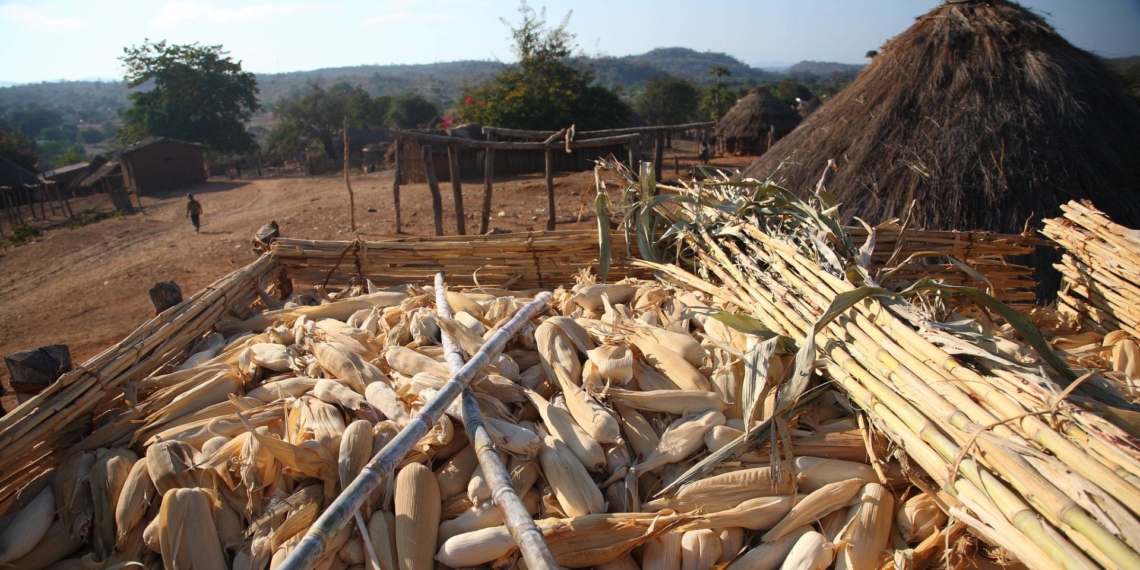
Agriculture is vital to Mozambique, employing 70% of the population and contributing 25% to GDP. Smallholder farmers grow staples like maize and cassava, as well as cash crops.
The current situation has caused significant economic challenges for the nation, disrupting cross-border trade, and hindering the free movement of people.
According to Gavin Kelly, CEO of the Road Freight Association (RFA), amidst reports that the risk for greater and more widespread violence in Mozambique is on the increase, numerous sectors have closed down operations as the situation across Mozambique appears to be deteriorating.

“The RFA has noted that commercial vehicles have been specifically targeted and trade severely disrupted – especially in the mining, agricultural, and manufacturing sectors.”
The situation, he said, remains highly unpredictable and subject to sudden changes.
“The route between Ressano Garcia, the Lebombo border post, and Maputo has been repeatedly blocked – and this will probably reoccur.”
The RFA has urged all transporters, and any other travellers to follow guidelines and instructions as issued by the respective government agencies.
“The RFA has repeatedly called on both our senior politicians and those in the SADC [Southern African Development Community] to assist with bringing peace and stability to Mozambique whilst a political solution is negotiated,” Kelly added.
Related stories

SADC expresses deep concern
Dr Samia Suluhu Hassan, Tanzania’s president and chairperson of the SADC Organ on Politics, Defence and Security Cooperation, expressed deep concern over ongoing loss of lives, injuries, and damage to property and infrastructure.
“The SADC calls upon all parties to exercise restraint and refrain from actions that escalate violence and unrest. It also reaffirms readiness to assist, through appropriate mechanisms, in facilitating a peaceful resolution to the existing challenges.
“We therefore appeal for an immediate cessation of all hostilities, while reiterating the importance of prioritising the well-being and livelihoods of the Mozambican people.”
Meanwhile, Agbiz chief economist Wandile Sihlobo said stability and peace in Southern Africa are vital for South African agriculture. He urged a mature and understanding approach to regional conflicts, highlighting their significant economic impact.
“We must seek an understanding of their challenges and work collaboratively to resolve them… The current situation of unrest in Mozambique is an example of such challenges that the region should work to resolve speedily,” Sihlobo said.
READ NEXT: SA’s beef and sheep prices surge as production rises
Sign up for Mzansi Today: Your daily take on the news and happenings from the agriculture value chain