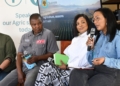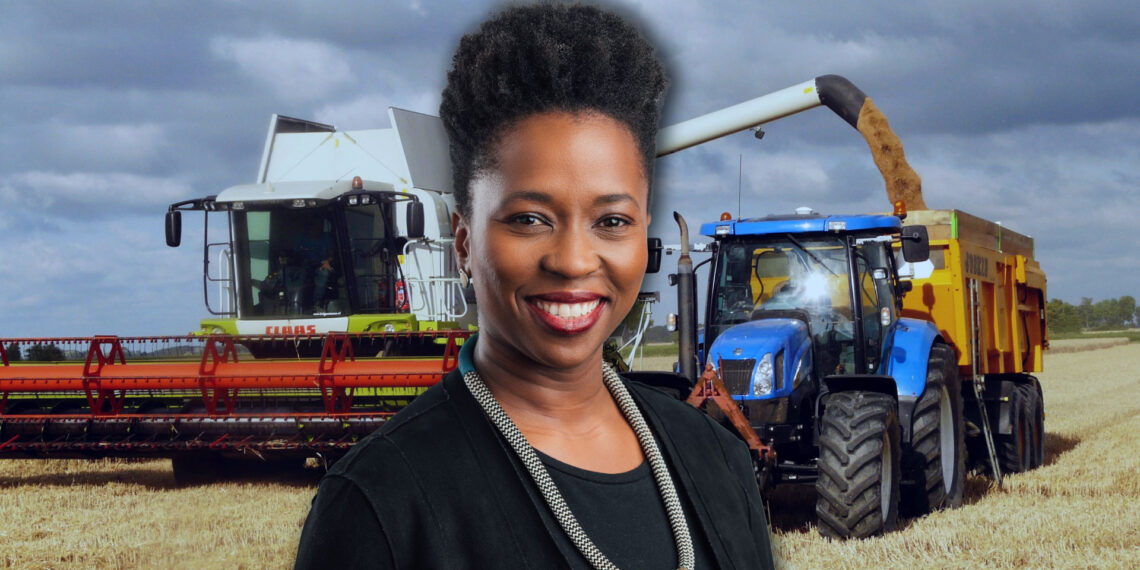
Gauteng MEC for agriculture and rural development, Vuyiswa Ramokgopa, hosted the inaugural Ending Hunger Symposium in partnership with The Nelson Mandela Foundation. The event brought together a diverse group of stakeholders, including activists, industry leaders, government officials, and key players in the agricultural sector, all committed to addressing food insecurity in South Africa.
Ramokgopa highlighted the urgency of the food security crisis in her opening remarks, stressing that this is not a challenge for the future but a crisis that South Africans are facing right now.
“We must stop treating food security as a distant problem. The time for decisive action is now,” she said, emphasising the need for immediate, coordinated efforts to address the growing issues of hunger and malnutrition affecting millions across the country.

According to the department, a key focus of the symposium was the challenge of urban farming, particularly the restrictive zoning laws and municipal bylaws that hinder efforts to expand agricultural production in urban areas. The department said these barriers, compounded by land tenure issues, have
worsened food insecurity, particularly in cities.
Ramokgopa called for urgent reforms to allow urban farming to thrive and play a pivotal role in addressing food security at the local level.
Related stories
- Ramokgopa: Young farmers, rise and take your space in agriculture
- 100+ Days in: Ramokgopa charts way forward for GP agriculture
“Throughout the symposium, the theme of coordination emerged as a central focus. Stakeholders from various sectors emphasised the need for greater alignment in efforts to address food insecurity.
“We need to work together to create a unified, coordinated approach,” she said.
Tintswalo Makhubele, a commercial farmer, stressed the personal impact of food insecurity, explaining that families are often forced to make heartbreaking decisions about who eats and who goes hungry. He also highlighted the crucial role of women in farming, noting that empowering women is vital to building sustainable livelihoods for families and communities.

Another key point raised during the symposium was the importance of a supportive legislative framework. Alane Browde, the founder of SA Harvest, spoke on the need for legal structures to support food security initiatives. While she acknowledged that the process would take time, she stressed that now is the time to lay the groundwork for long-term solutions.
Meanwhile, Ramokgopa also highlighted the deep connection between food security and poverty alleviation. She pointed out that food insecurity is often a result of economic exclusion and that addressing root causes such as access to income, employment, and education is essential to improving food security. “Food is not a privilege; it’s a right,” she stated.
The symposium concluded with a unified call for collective action to create sustainable solutions to food insecurity. Stakeholders agreed that addressing hunger is not solely the responsibility of the government but of every individual, organisation, and sector involved.
READ: Food For Mzansi clinches 21st global award for impactful work
Sign up for Mzansi Today: Your daily take on the news and happenings from the agriculture value chain