The integration of agricultural giants VKB and GWK, which merged on 31 May 2023, is showing remarkable progress, despite facing challenging economic and climatic conditions.
In the 2024 financial year, ending 31 March 2024, the newly formed VKB Group, including GWK, recorded a normalised profit before tax of R608 million – demonstrating its resilience and commitment to long-term sustainability.
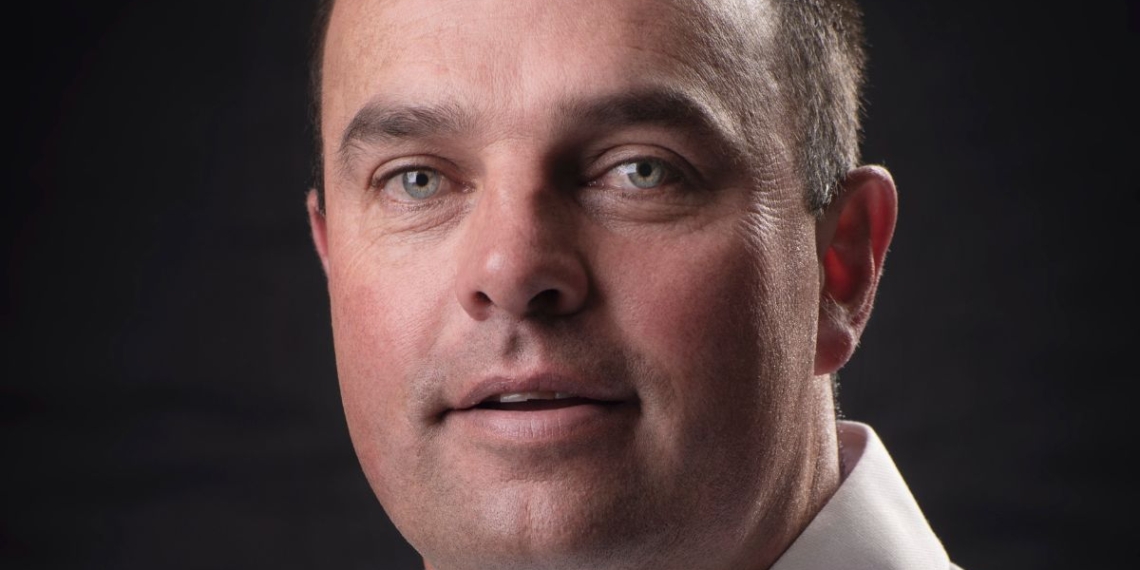
VKB Group’s managing director, PG Strauss, expressed his gratitude for the unwavering support of clients and emphasised that the company remains focused on stabilising its business foundation to pave the way for future growth.
“Don’t expect fireworks. The merger merely offers a better-balanced foundation with more diversity in the distribution of risk,” Strauss stated.
Despite continued climate challenges and economic pressures on agricultural producers and consumers, proactive action plans have been implemented to manage these effects and safeguard the group’s performance.
Value creation through strategic collaboration
A central objective of the merger has been creating real value for the business. Through joint procurement, distribution, and supply of products, tangible value has already been unlocked in energy supply.
Notably, the group’s investments in solar energy projects at the chicken abattoir and selected grain mills are expected to create significant cost savings, marking a forward-thinking step in energy efficiency.
The third quarter of 2024 saw the VKB Group complete a comprehensive review and formalisation of its company strategy, which was shared with employees and stakeholders. The review of business models is progressing as planned, in alignment with the group’s strategic objectives.
Other significant milestones include the appointment of the executive management team in August 2023 and the finalisation of company structures in early 2024. This early alignment facilitated a smooth integration of functions, establishing a focused and motivated management team.
Geographical advantages and diversification
One of the merger’s key strengths is the VKB Group’s extensive geographical footprint, providing a natural hedge against climate risks. While adverse conditions impact producers in certain areas, favourable conditions elsewhere can offset these effects, stabilising overall performance.
The diversified nature of the business also enables the VKB Group to absorb shocks more effectively, while opening up new opportunities that were previously difficult to achieve.
The merger has brought together a combined talent pool, offering unique perspectives and fostering innovation. Collaboration among experts from diverse backgrounds has led to the implementation of best practices that enhance efficiency and unlock further value.
With the expanded structure, the VKB Group also offers greater potential for career progression and job creation in South Africa.
In a release, the group says it remains committed to promoting sustainability, growth, and progress within the agribusiness sector. Through its diligence and care in the integration process, the company continues to prioritise results, client service, and high-quality products.
READ NEXT: Free State Agriculture salutes members for 120 years of dedication