Saturday, October 31, 2026
SUBSCRIBE
22 GLOBAL MEDIA AWARDS
Food For Mzansi
  • News
  • Changemakers
  • Lifestyle
  • Farmer’s Inside Track
  • Food for Thought
No Result
View All Result
  • News
  • Changemakers
  • Lifestyle
  • Farmer’s Inside Track
  • Food for Thought
No Result
View All Result
Food For Mzansi
No Result
View All Result
in News

Water regulations threaten food security – Agri SA

Agri SA says proposed regulations requiring up to 75% black South African shareholding in water licenses could devastate agriculture, risking the nation’s food supply

by Ivor Price
1st June 2023
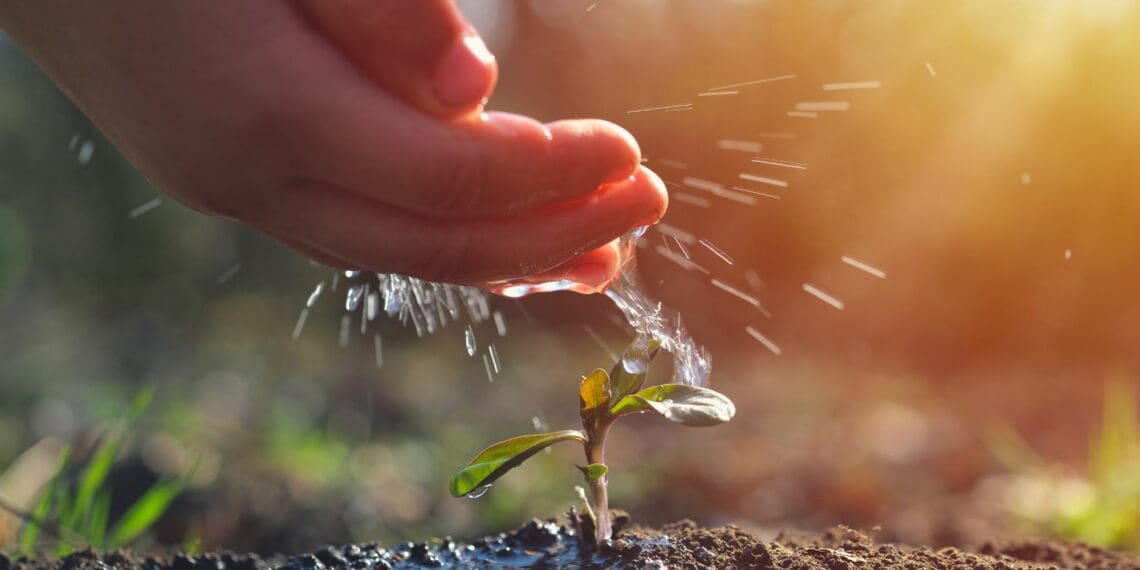
World Food Day: Water is life, water is food – use it wisely

As the world celebrates World Food Day, emphasis is on the country's availability and preservation of water as a scarce resource. Photo: Supplied/Food For Mzansi

Share on FacebookShare on TwitterShare on WhatsApp

In a move that has sent shockwaves through South Africa’s agricultural sector, the department of water and sanitation has unveiled draft regulations that could have far-reaching implications for food security.

The proposed regulations demand that certain enterprises seeking water use licenses allocate shares of up to 75% to black South Africans. However, experts warn that this singular focus on ownership demographics disregards crucial factors and could lead to disastrous consequences for the agricultural industry.

Janse Rabie, legal and policy executive at Agri SA, a prominent agricultural association, cautions that these regulations, if adopted in their current form, would spell devastation for the commercial agricultural sector. Rabie highlights that the department envisions compulsory licensing of existing lawful water uses, which would disproportionately impact agricultural operations heavily reliant on historic water rights.

“The proposed regulations seek to make BBBEE (broad-based black economic empowerment) the sole consideration for granting licenses, disregarding the other critical factors outlined in Section 27 of the National Water Act,” asserts Rabie.

This approach neglects essential considerations such as the efficient and beneficial use of water, socio-economic impact, and investments already made by water users.

Loss of water resources

The agricultural sector, which accounts for approximately 60% of the country’s total water use, finds itself in the crosshairs of these regulations. By focusing solely on ownership demographics, rather than a comprehensive evaluation of all relevant factors, viable commercial farming enterprises could face the loss or partial loss of water resources, severely hampering their ability to provide the nation with a secure supply of food.

Furthermore, the draft regulations extend their reach to “stream flow reduction activities” like commercial forestry plantations and even include provisions for hydraulic fracturing. These additional measures pose further risks to food security and add to the growing concerns raised by industry stakeholders.

While Agri SA recognises the importance of an inclusive and representative agricultural sector, they contend that the current draft regulations would effectively force the transfer of ownership of water, the sector’s lifeblood and most crucial input factor.

Rabie warns, “The consequences that the draft regulations in their current form will have with respect to agriculture and food production in South Africa will be fatal.”

The proposed regulations arrive at a particularly precarious time for the agricultural sector and the wider economy. The industry is already grappling with challenges such as frequent power outages, rural crime, and deteriorating public infrastructure. This additional burden threatens to exacerbate existing hardships and undermine the sector’s ability to contribute to national food security.

Stakeholders and concerned parties are urged to participate actively in the commentary period, which ends on 18 July 2023, to ensure that the final regulations account for the broader considerations essential to safeguarding the nation’s food security and the sustainability of the agricultural sector.

Failure to address these concerns could have dire consequences for South Africa’s ability to feed its population and maintain a thriving agricultural industry.

MZANSI YOUNG FARMERS INDABA: Click here to reserve your seat

Sign up for Mzansi Today: Your daily take on the news and happenings from the agriculture value chain.

Ivor Price

Ivor Price is a multi-award-winning journalist and co-founder of Food For Mzansi.

Tags: Commercialising farmerDepartment of water and sanitationFuture-focused farmerHelp me understandwater licences
News

Veggie prices plummet: Why your grocery bill might drop this week

by Raylentia Simmons
29th October 2026

Fresh produce markets are sending a clear signal: supply is winning the battle against demand. Potatoes fell over 20%, tomatoes...

Read moreDetails

SA’s sugar industry at a crossroads: The shift to bioethanol

28th October 2026
Maleka engineers hydroponic solutions for emerging farmers

Maleka engineers hydroponic solutions for emerging farmers

28th October 2026
Agda congress: Why production alone won’t save your farm

Agda congress: Why production alone won’t save your farm

28th October 2026
Youth agri programme graduates the first cohort of young farmers

Youth agri programme graduates the first cohort of young farmers

28th October 2026

Shoprite opens second food garden competition with R1m in support

Fruit SA: Giving transformation a seat at the strategy table

Protect your soil and crops while saving water this season

Minister launches R1.2b land reform programme to support farmers

SA’s sugar industry at a crossroads: The shift to bioethanol

Join Food For Mzansi's WhatsApp channel for the latest updates!

JOIN NOW!
Next Post
ICYMI: Agri mourns transformation giant Xaba

Agri mourns transformation giant Xaba

THE NEW FACE OF SOUTH AFRICAN AGRICULTURE

With 21 global awards in the first six years of its existence, Food For Mzansi is much more than an agriculture publication. It is a movement, unashamedly saluting the unsung heroes of South African agriculture. We believe in the power of agriculture to promote nation building and social cohesion by telling stories that are often overlooked by broader society.

Early heat lowers Tru-Cape cherry harvest, but brings top quality

Godlimpi calls for innovative sugarcane grower financing

Brotherly hustle: Limpopo duo takes egg business to campus

Nedbank: ‘Transformation must deliver sustainable farmers’

Municipal failure drives up production costs for poultry farmers

Minister launches R1.2b land reform programme to support farmers

  • Awards & Global Impact
  • Our Story
  • Contact Us
  • Cookie Policy
  • Privacy Policy
  • Copyright

Contact us
Office: +27 21 879 1824
News: info@foodformzansi.co.za
Advertising: sales@foodformzansi.co.za

Contact us
Office: +27 21 879 1824
News: info@foodformzansi.co.za
Advertising: sales@foodformzansi.co.za

  • Awards & Global Impact
  • Our Story
  • Contact Us
  • Cookie Policy
  • Privacy Policy
  • Copyright

Chat Options

About this assistant

This feature generates automated answers summarised from Food For Mzansi articles. By using it, you are interacting with an AI system (provided by Google), not a human. AI can make mistakes. Please refer to the source articles for verification and citation purposes.

Our staff do not check or moderate Lerato’s answers in advance, but may review some later. Our journalists continue to write and edit all the articles Lerato uses as sources.

To estimate unique and returning web users, we store a random browser ID in this browser. WhatsApp users are counted by phone number. The same person using both channels may be counted twice.

I'm Lerato, your AI assistant!
No Result
View All Result
  • News
  • Changemakers
  • Lifestyle
  • Farmer’s Inside Track
  • Food for Thought

Copyright © 2026 Food for Mzansi