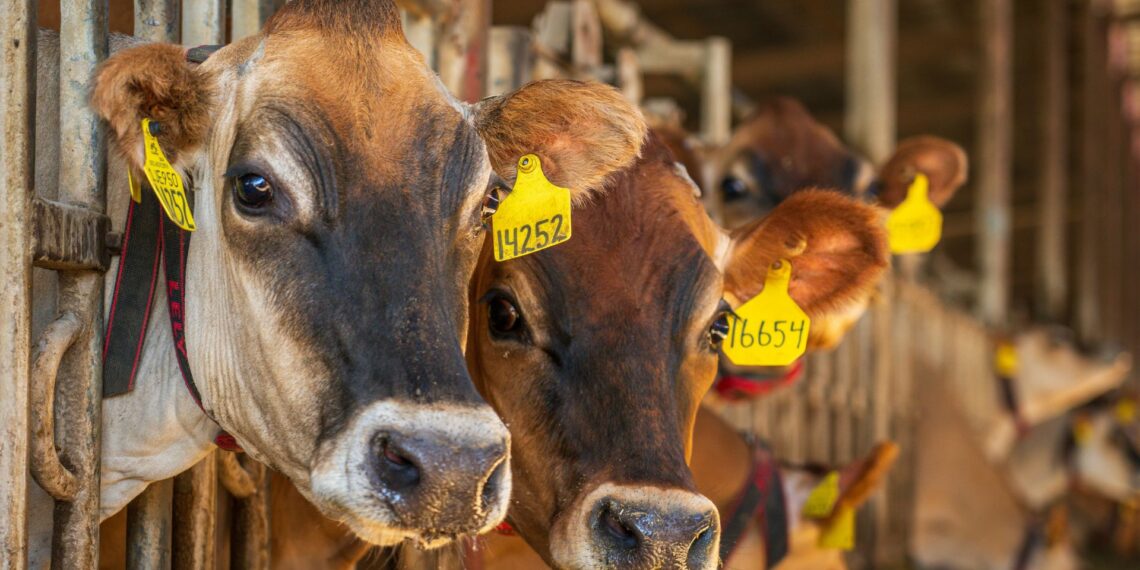
Effective cattle marketing is crucial for new-era livestock farmers to succeed in the evolving red meat industry. Khomotso Mashiloane, a livestock technical advisor from the Red Meat Industry Services (RMIS), shares insightful strategies that ensure farmers recover production costs while maximising profits.
1. Understand your market
A key decision farmers must make is selecting the right marketing channel for their livestock.
“It’s important to consider how many animals you’re producing and the logistics involved in transporting them to the market,” Mashiloane says.
For example, smaller-scale farmers with fewer cattle might find it more suitable to sell in local informal markets or directly to buyers for ceremonies like lobola or funerals. On the other hand, larger-scale farmers might target feedlots or auctions, which require larger volumes of cattle.
Mashiloane outlines the different channels available:
- Informal markets: Direct sales to local buyers for cultural events.
- Feedlots: Selling to feedlots typically involves larger volumes of cattle, as feedlots require a consistent supply for their operations.
- Agents: Middlemen who facilitate sales between farmers and buyers.
- Auctions: Farmers can sell their livestock through auctions, though Mashiloane notes that many farmers, especially new-era farmers, are dissatisfied with the prices they receive through this channel.
- Abattoir: This is typically conducted through an agent or the abattoir owner after on-farm fattening as mentioned in a guideline provided by the KwaZulu-Natal department of agriculture and rural development.
Related posts
- How to prevent common causes of cattle abortions
- Serapelwane’s steps for success for upcoming cattle farmers
- Advancing herd quality: Bonsmara SA and RMIS forge path amid livestock challenges
2. Time the market
Timing is another key factor in maximising profits. Certain times of the year offer better opportunities to sell livestock at higher prices, especially when market demand peaks. For instance, in the informal market, demand for cattle rises in November and December due to cultural events such as weddings and initiation ceremonies. The same applies for the formal market, in November and December there are meat price increments due to the festive season.
When selling directly to abattoirs, it is important to be informed about carcass prices as they are prone to fluctuations.
“The best time is influenced by the forces of demand and supply in the market,” Mashiloane says.
Farmers must also assess the readiness of their livestock, including age, weight, and condition, to secure favourable prices.
3. Know the requirements
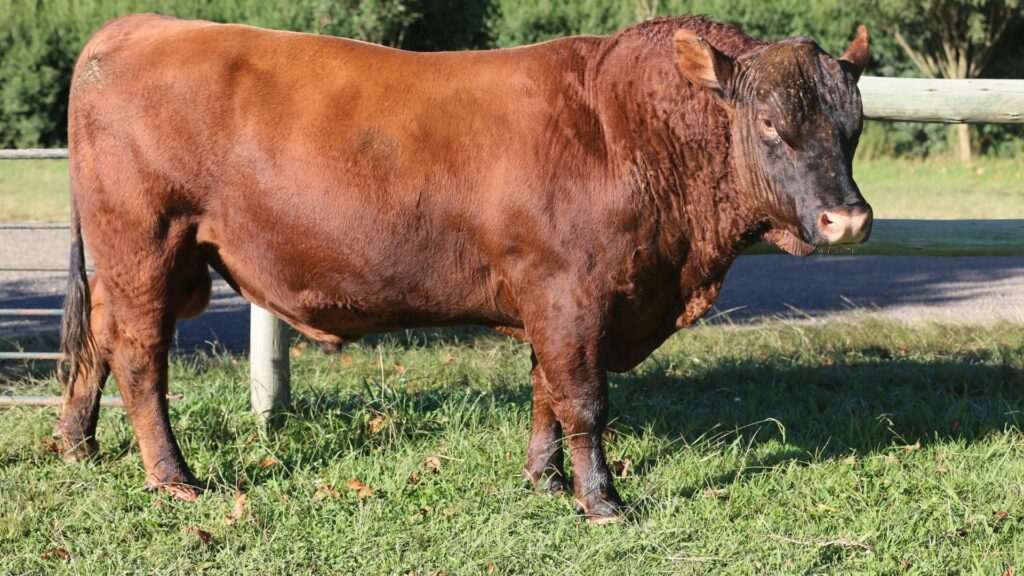
Selling livestock in formal markets, such as feedlots, comes with specific requirements. Feedlots, which produce 80% of South Africa’s beef, prefer young, lighter animals weighing between 200 and 240 kilograms.
“We prefer animals that are less than a year [old], preferably between six and eight months,” Mashiloane explains, as younger animals convert feed into weight more efficiently. Additionally, farmers must maintain health records for their animals, including vaccination details.
“Proper record-keeping is important to feedlots because we want animals that can be productive and not easily get sick,” he says. Poor documentation can result in lower prices for farmers.
4. Maximise feedlot efficiency
Certain cattle breeds perform better in feedlots due to their high average daily gain (ADG) and feed conversion ratio (FCR). Breeds like Bonsmara, Beefmaster, and Angus are preferred for their ability to gain weight quickly with less feed.
“Just like any other business, that conversion into money is very important for viability,” Mashiloane points out. Efficient feed conversion means greater profitability, as animals that gain 1kg of weight from 4-6kg of feed are more desirable than those requiring 9kg of feed for the same gain.
5. Traceability
Traceability is essential for tracking animal movement and managing disease outbreaks. Implementing traceability helps control diseases such as foot-and-mouth and opens more export opportunities.
“If there is any disease or outbreak, we can track it back to the owner,” says Mashiloane. Traceability also helps farmers secure better prices at auctions by offering transparency and enhancing market access.
6. Build relationships and have a business mindset
A key challenge for new-era farmers is the lack of a business mindset, which affects marketing success. Developing relationships with buyers and understanding their specific needs is crucial.
“You need to look at farming as a business – that’s also another way to ensure you meet the appropriate requirements,” Mashiloane advises. By adopting a business approach and meeting market demands, farmers can improve their success in the red meat industry. Mashiloane reminds farmers that, “the best fertiliser of the soil is the footsteps of the owner.”
ALSO READ: How to start or expand a profitable pig farming operation
Sign up for Farmer’s Inside Track: Join our exclusive platform for new entrants into farming and agri-business, with newsletters and podcasts.