Abortions in a cattle herd pose significant challenges to both productivity and profitability. However, with the implementation of effective preventative measures, such as targeted vaccinations and early detection strategies, farmers can mitigate these risks.
Animal health technician from Afrivet, Kenneth Malatji, provides key insights into the common causes of cattle abortions and offers practical advice on how farmers can protect their herds through proactive management and close monitoring.
“For cattle farmers, one of their main goals is to achieve a calf per cow per year for optimal herd performance. To achieve this, farmers should implement structured daily observation and regular monitoring, which will help them identify early signs of diseases, reproduction issues, and any changes in behaviour that could affect fertility,” says Malatji.
Importance of vaccinating before breeding
Vaccination is a critical preventative measure in ensuring cattle health and protecting them from diseases. Malatji notes that before the breeding season, it’s vital to vaccinate cattle against specific diseases to maintain their reproductive health and herd productivity.
“However, the specific diseases to vaccinate against often depend on the type of farming setup and the area your farm is in. I would advise you to consult your local state vet, animal technician, or Afrivet agent to get advice on the diseases occurring in your area.”
Malatji explains that using a vaccine to prevent diseases is a small investment with high returns. He also notes that proper storage and handling of vaccines are essential, as poor management can render the vaccine ineffective and result in financial loss.
“All vaccines come in packaging that details storage instructions, administration rules, age, and the time of year in which you need to vaccinate. There are contraindications or precautions to follow.”
Related posts
For breeding-related vaccinations, Malatji shares that it is important to vaccinate heifers for brucellosis, using either the S19 vaccine for heifers aged 4-7 months or the RB51 vaccine, which is administered three months before the breeding season. He also mentions vibrio-respiratory combination vaccines, which include protection against diseases like bovine viral diarrhoea (BVD) and infectious bovine rhinotracheitis (IBR). These should be administered to cattle two months before breeding.
Furthermore, Malatji advises that bulls should receive the vibrio vaccine one to two months before breeding, while cows should be vaccinated against brucellosis and vibrio-respiratory combinations within the same timeframe.
Considerations before vaccinating pregnant cattle
Malatji highlights that vaccinating pregnant cows or heifers requires careful consideration to ensure the safety of both the animal and the developing foetus. It is generally recommended to complete vaccinations before breeding to avoid any risks associated with administering vaccines during pregnancy. However, Malatji adds that if vaccination is necessary during pregnancy, it should be carried out under veterinary guidance.
“We have different types of vaccines, one of which is killed, known as an inactivated vaccine. These are typically considered safer for pregnant cattle, while modified live vaccines are usually avoided during this period unless specifically recommended by a veterinarian,” he says.
Malatji explains that live vaccines, also known as attenuated vaccines, contain weakened versions of the disease-causing pathogens. While effective, these can pose some risks when used in pregnant animals. The risks include potential abortion, as live vaccines may cross the placenta and affect the foetus.
“Vaccination during pregnancy in cattle requires careful consideration as not all vaccines are safe for pregnant animals. Understanding the difference between live and dead vaccines is very important,” he stresses.
Common causes of abortions and stillbirths
Malatji notes that one common cause of abortion in cattle is brucellosis, also known as contagious abortion.
Brucellosis: This serious bacterial infection, caused by Brucella abortus, leads to abortion, infertility, and other reproductive issues. It primarily affects pregnant cows, causing late-term abortions, retained placenta, and weak calves.
“Infected cattle may also suffer from infertility due to uterine infection and other reproductive complications. One of the major concerns about brucellosis is that it is zoonotic, meaning it can be transmitted to humans. Humans can be infected through direct contact with infected animals, consumption of unpasteurised milk, or exposure to contaminated birthing fluids,” he explains.
Bovine viral diarrhoea virus (BVD): Malatji says this is another abortion-causing disease, which weakens the animal’s immune system and leads to abortions, birth defects, and weak calves. He explains that it’s important for farmers to vaccinate cattle against BVD to prevent these issues.
Additionally, Malatji notes that infectious bovine rhinotracheitis (IBR), a viral infection, is another significant cause of respiratory illness and abortions in cattle.
Early signs of abortion
If vaccinations have already been administered but abortion still occurs in cattle, farmers need to be vigilant in spotting early signs of complications. Observing cattle daily through structured observation is crucial for identifying potential issues, Malatji advises.
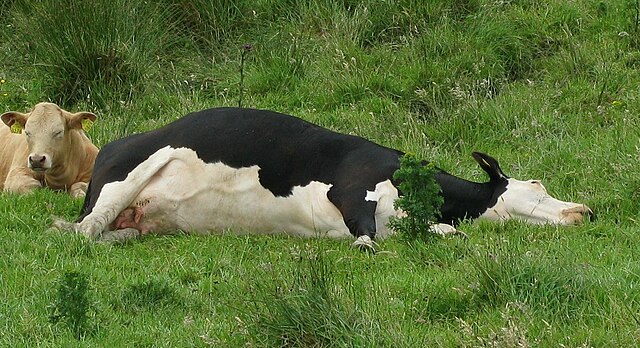
He highlights some signs a farmer can watch for that may indicate a pregnancy complication:
- Abnormal vaginal discharge, such as blood or mucus.
- A sudden increase in milk production.
- Behavioural changes such as restlessness or isolation from the herd.
- Physical abnormalities like a swollen vulva or fever.
- Loss of appetite.
“In severe cases, the expulsion of the foetal membrane can indicate that an abortion is imminent or has occurred. When these signs are observed, prompt action is critical. The first step is to contact a veterinarian to identify the cause of the abortion and begin treatment,” he says.
ALSO READ: Policies needed to unlock SA’s agritourism potential
Sign up for Farmer’s Inside Track: Join our exclusive platform for new entrants into farming and agri-business, with newsletters and podcasts.