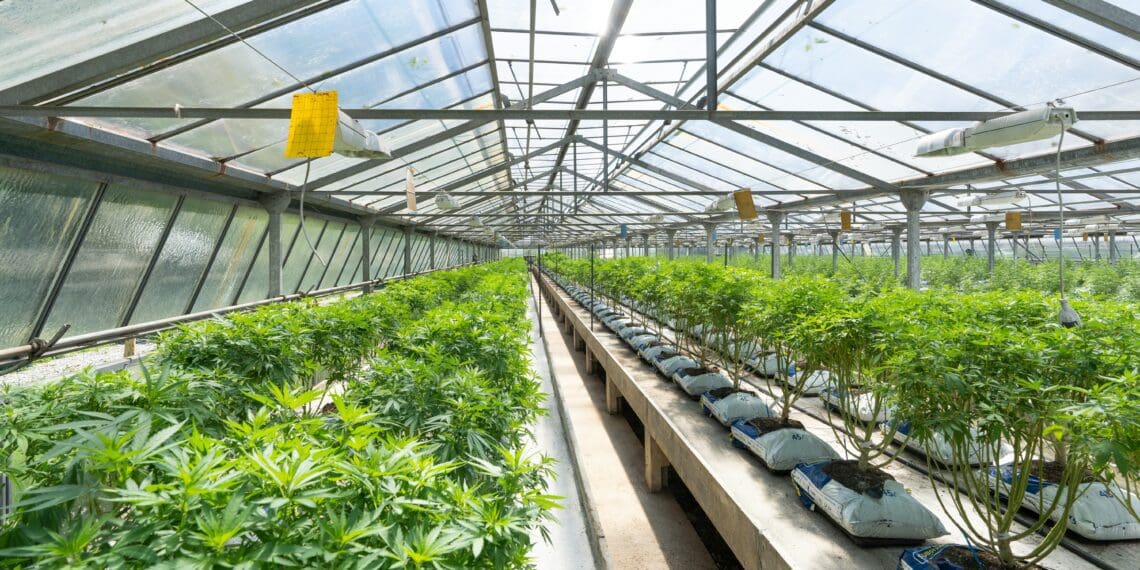
Government plans to iron out legislation and create an enabling environment for South Africa’s hemp and cannabis sector have been applauded by many. But until this happens, the country’s illicit cannabis industry – worth approximately R20 billion – will continue to flourish.
President Cyril Ramaphosa recently announced during his State of the Nation Address that in the coming year, the government would place considerate efforts behind clearing red tape for hemp and cannabis farmers in the country.
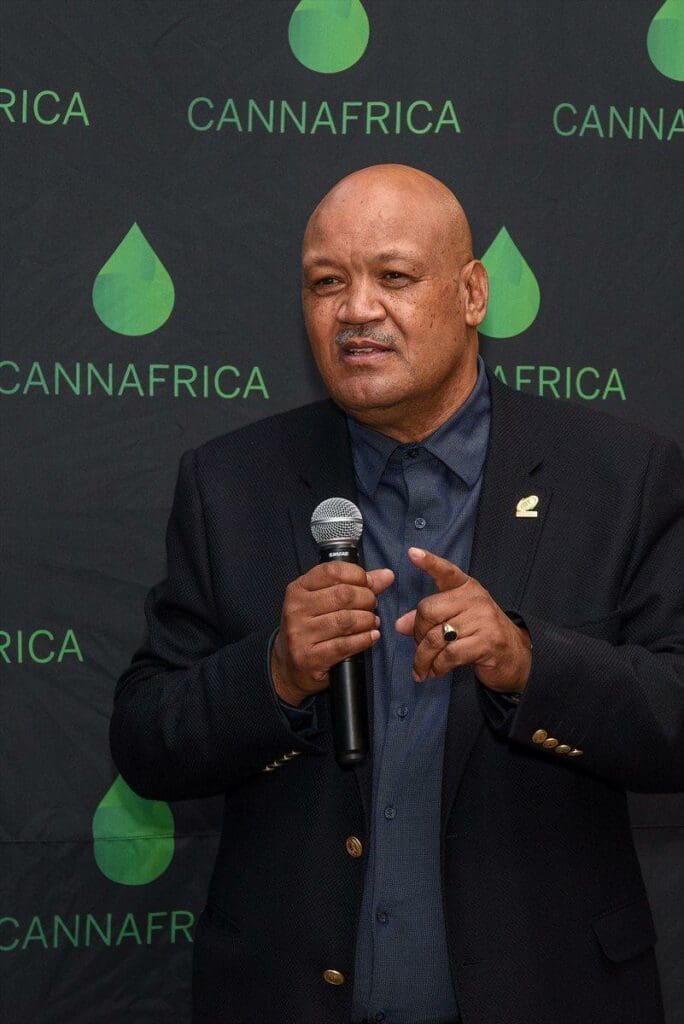
According to Labat Africa Group CEO, Brian van Rooyen, the government needs to work with speed to ensure that regulations are in place. This, as small-scale farmers are unable to farm and boost the country’s economy.
Labat Africa is a local black-owned and managed investment holding company that has transitioned into a fully integrated cannabis business with a focus on healthcare, wellness, and industrial hemp.
In an interview with Food For Mzansi, Van Rooyen details the challenges farmers face, and why he is convinced that the South African Health Products Regulatory Authority (SAHPRA) should step aside.
Tiisetso Manoko: What do you make of President Cyril Ramaphosa’s promise that government would cut down on red tape for cannabis and hemp production?
Brian van Rooyen: What was certainly encouraging from the President during his recent State of the Nation Address was the commitment to streamlining the regulatory processes of hemp and cannabis.
We are sitting with a major problem in the country, and that is that the regulations which are driven by the South African Health Products Regulatory Authority (SAHPRA), are not in line with what farmers want to farm or are able to farm.
Some of the regulations lean towards farmers entering the medicinal space, which they do not have the capital and infrastructure for.
So we are happy that government will come to the party to allow cannabis farmers, especially emerging farmers, to farm without tough and unbearable regulations.
For example, issuing permits to about 300 without hemp processing facilities in the country – what are people going to do with those permits? These are some of the things we are hoping that the enabling environment president spoke about will address in detail.
Also, not everyone wants to grow marijuana for smoking purposes. The Council for Scientific and Industrial Research (CSIR) and Industrial Development Corporation (IDC) have done a lot of work on alternative and hemp processing benefits.
Surely the role of public and private partnerships is important…
Private partnerships are extremely important and needed at this point But we do not think the South African Health Products Regulatory Authority (SAHPRA) must be involved in this.
Our belief is that the growing of hemp should be administered by municipalities – that is where the bread and butter issues are.
The private sector has to play a fundamental role in this space and the government should not be driving this, but rather it should be the enabler. We want to create an economy that all people can benefit from.
What’s keeping hemp and cannabis farmers up at night?
As with subsistence farming in the country – and it has been for many years – access to land.
For example with hemp, a farmer just needs 100 hectares of land to create a maximum of four permanent jobs per hectare, bearing in mind that hemp is not like any other crop. You can have four to five crops a year.
The government’s lack of intervention, when needed, is another frustration.
For instance, a cannabis farmer who needs to apply for a normal license will need to dig deep into his or her pocket for an amount of about R3 million to set up their operations. This is before you can start planting anything.
For us to see this sector growing and contributing significantly to the economy, we are pushing for farmers to come together and form a cooperation or a community. That is the support that we are giving them, however, there needs to be a conducive environment to do business in this industry.
We have a group of farmers that have got 50 permits and they are forming a cooperation. Furthermore, we want to involve stakeholders like the CSIR, IDC Development Bank of Southern Africa, and municipalities to come sit around the table and think of a plan to help these farmers. I mean we are talking about 150 000 permanent jobs that could be created here.
How important is that Mzansi irons out its legislation issues?
According to World Bank research, the illicit trade of cannabis in South Africa is worth R20 billion. Imagine what the ironing out of this legislation could mean for the economy of the country.
We’ve got the land, we have the know-how to farm and operate, and we have the technical experts and access to funding. All that is needed is for the issues that hinder small-scale farmers to be addressed.
What happens in the absence of clear and fair legislation?
The abuse of cannabis in the township and rural areas. These things happen in the absence of proper regulations.
A classic example is that if the government and a particular department of agriculture grant me a permit for hemp, and I farm, who is going to buy it without processing facilities? That gives rise to the underworld that is dealing with that hemp.
If a farmer is unable to sell their hemp, this could easily lead to marijuana being sold to the illicit market. This is what is currently happening, and the sooner the regulations are finalised, the better.
READ NEXT: New report: SA’s cannabis industry aims high
Sign up for Mzansi Today: Your daily take on the news and happenings from the agriculture value chain.