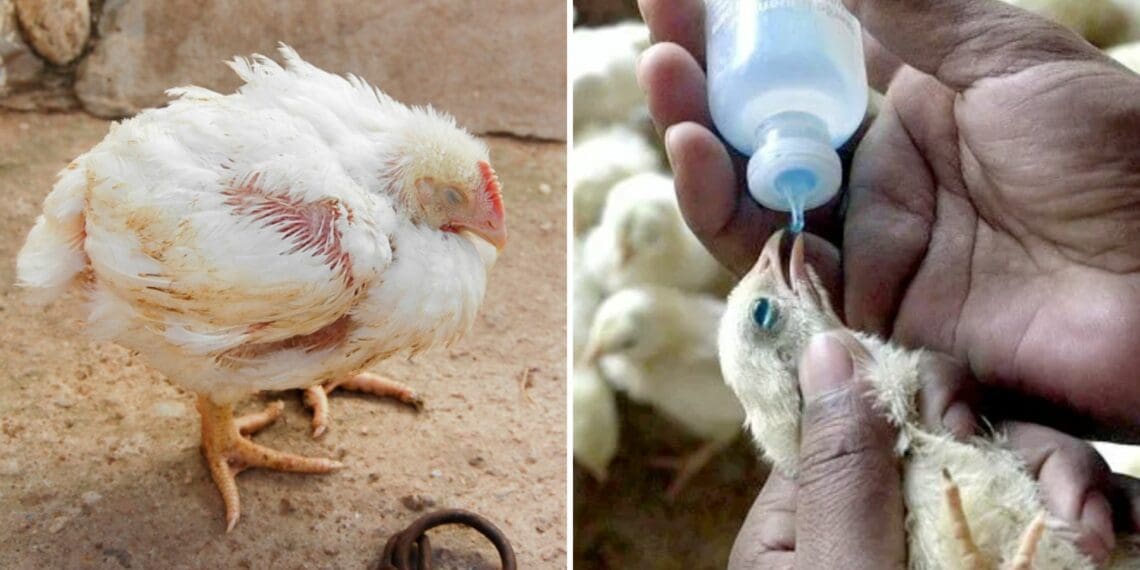
Poultry farmers in various parts of the country are reporting an increase in chicken die-offs due to an infectious bursal disease (IBD) called gumboro.
The disease seen in young domestic chickens worldwide is common among small-scale farmers when cold weather patterns occur and chickens are not adequately protected. Symptoms can include depression, watery diarrhoea, ruffled feathers, and dehydration.
Small-scale farmers left out in the cold
African Poultry Producers General Council chairperson Kobedi Pilane explained the reason why small-scale producers are mostly affected is because they often do not have temperature-controlled chicken houses and because of poor management strategies.
As result, chickens suffer hypothermia-like conditions, which affects their immune system.
ALSO READ: Consumers, poultry farmers paying the price
Pilane said while small-scale farmers cannot afford the heating plans required, they can rely on other simple and affordable methods to keep their chickens warm.
“Simple things like having charcoal positioned around the chicken house safely can go a long way. These farmers just don’t have the heating systems compared to their commercial peers.”
When strategically placing burning coal around the chicken house, chickens will cluster around and generate heat among themselves, Pilane explained.
Mobile thermometers are also used extensively to monitor temperatures. “It’s a tough one and we encourage that they monitor their stock because these chickens die and for some of them it is their only livelihood. It’s a very difficult situation for most of the farmers.”
ALSO READ: Always have a back-up plan, says Pretoria poultry farmer
Vaccinate, vaccinate … vaccinate!
“It affects their core temperature and if you didn’t vaccinate them, they get it quicker,” he said. “For some chickens it lasts long, it takes them four days, especially if temperatures are under 15 degrees for more than four days. They will be infected even if they are vaccinated.”
Pretoria poultry farmer Mikie Mkhatha said farmers need to be aware of the symptoms of the disease so that they can treat it as soon as possible.

Mkhatha advised farmers to ensure that their chickens are vaccinated with the gumboro vaccine because the disease can easily spread.
“It’s a disease that spreads via wind and if for example, the farmer in your area has it, it’s likely to spread.”
Pilane added that gumboro virus vaccines can be purchased at local feed shops or at local veterinarian clinics. “Most feed providers have medicines in store, and they know that many farmers will ask and be referred somewhere.”
ALSO READ: Women’s Day: Join us at our Soul To Soil brunch
Sign up for Mzansi Today: Your daily take on the news and happenings from the agriculture value chain.