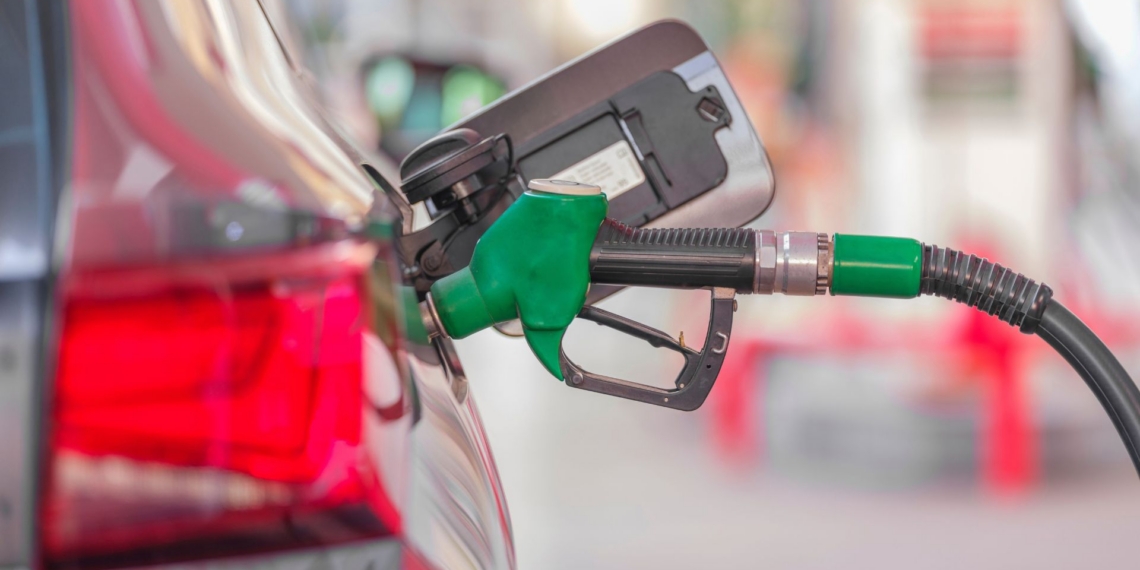
Fuel and electricity inflation have placed sustained pressure on consumers since March/April 2026, the Bureau for Food and Agricultural Policy (BFAP) revealed in its August food inflation brief.
According to the BFAP report, this has largely reflected the global energy price shock, while the implementation of the 8.7% annual electricity tariff increase on 1 April 2026 has contributed to higher electricity prices on a year-on-year basis.
Food price pressures build
“These also drive operational costs in the agriculture and food value chain higher, potentially driving food inflation upwards. Month-on-month, fuel inflation eased in August, supported by a stronger rand relative to the dollar.
“This occurred despite persistently high international oil prices, which remained elevated amid supply disruptions associated with unresolved geopolitical tensions. The latest projections from the Central Energy Fund indicate an under-recovery for both petrol and diesel products heading into October,” BFAP said.
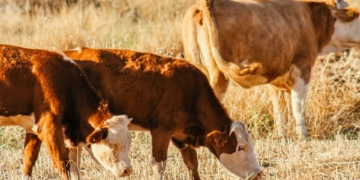
The report also indicated that the food commodity price movements are expected to remain relatively moderate in the coming months, with meat prices likely to continue trending lower as vaccination efforts against animal diseases, particularly FMD
and bird flu, progress and slaughter activity gains further momentum.
Related stories
- Fuel price shock deepens strain on agriculture sector
- Fuel price relief boosts hope for summer crop season
- Drop in oil prices sparks hopes of cheaper fertiliser
- Rural development in SA: Why land ownership isn’t enough
“At the same time, the anticipated (super) El Niño weather cycle could affect yields, resulting in lower summer crop production heading into 2027, potentially placing upward pressure on food prices over the medium term.
“Nevertheless, large carry-over stocks accumulated following the previous two bumper production seasons should provide some buffer against these potential price pressures,” BFAP said.
Farmers struggle to absorb the pressure
A maize farmer based in Denilton in Mpumalanga, Pulane Masegoni, said it has become extremely difficult to be in farming as everything has started to escalate.
“What is said about the whole situation is that the consumer’s pocket continues to be impacted heavily, and we as farmers have tried to absorb the pressures as much as possible. However, at this point it has become impossible to absorb everything.
“At the primary level, things are not looking good; petrol prices are increasing, the weather has not become favourable and dealing with pests on our crops is also another nightmare. We farm because we love it but slowly losing faith in keeping on because of high operational costs that cannot be absorbed anymore,” she said.
READ NEXT: UCT study reveals shocking pesticide exposure in farm children