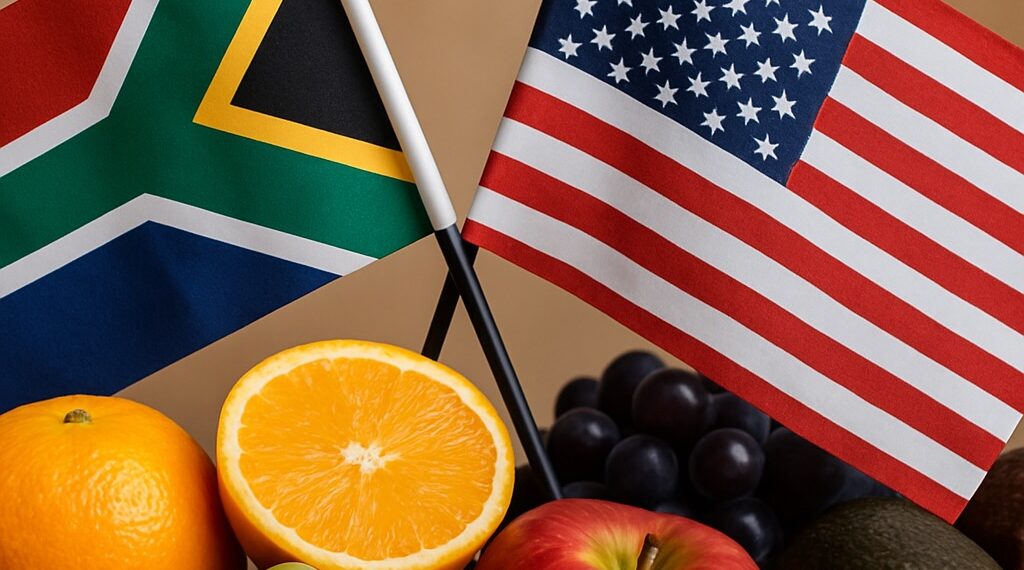
South Africa must urgently rethink its global trade strategy following the United States’ shock decision to impose a 30% tariff on local agricultural exports, warns AgriSA. The farmers’ federation is calling for a coordinated national response to safeguard the country’s R250-billion export-driven agricultural sector.
Although the US currently accounts for just 4% of South Africa’s total agricultural exports – valued at US$13.7 billion in 2024 – the African Growth and Opportunity Act (Agoa) has long offered duty-free access for key products. These include citrus, macadamia nuts, grapes, wine, ostrich leather, seeds, and other fresh produce, now under threat due to the punitive tariff announced by US President Donald Trump.
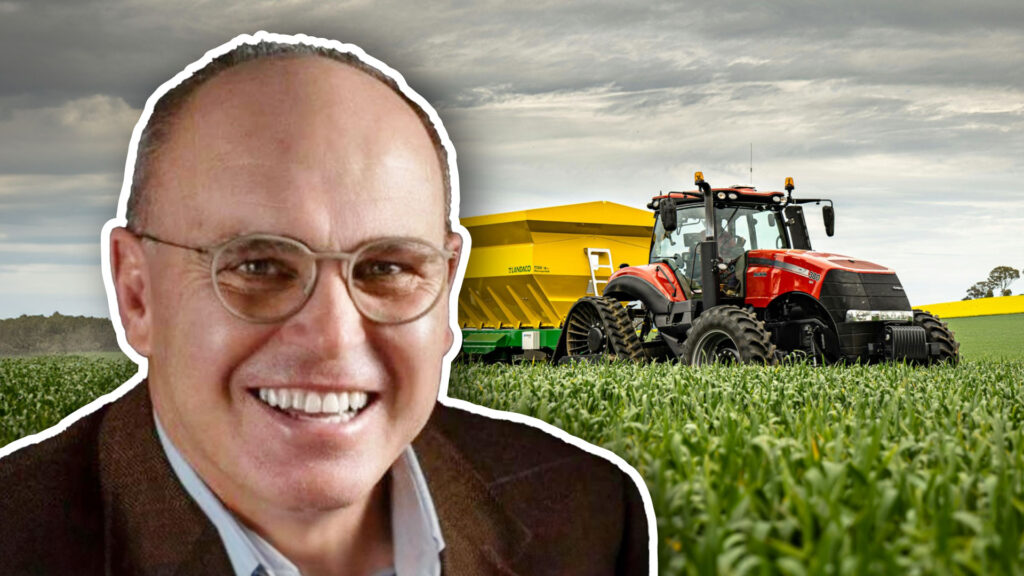
“The blow is immediate and severe, especially for regions and producers heavily reliant on the US market,” said AgriSA CEO Johann Kotzé. “While diversification is important, it cannot happen overnight. These supply chains are long-established and not easily replaced.”
Govt. scrambles to support exporters
According to a Reuters report by Nellie Peyton and Nelson Banya, the South African government is finalising emergency measures to assist exporters battered by the new US tariffs, which are expected to trigger widespread job losses, especially in agriculture and automotive manufacturing.
Pretoria has launched an “export support desk” aimed at helping companies identify alternative markets and navigate the shifting global trade terrain. Trade minister Parks Tau described the tariff shock as “a trying moment for South Africa,” while President Cyril Ramaphosa confirmed that a broader support package for vulnerable exporters would soon be announced.
Related stories
- Digitalise or fall behind: How SA agriculture can beat US tariffs
- US tariff hike could crack SA macadamia exports
- Tourism and agri-trade bloom between WCape and Canada
Citrus producers, in particular, have raised alarm over the immediate impact. Many are deeply reliant on the US market, and transitioning to new destinations like Asia is complicated by different market preferences and phytosanitary regulations.
The South African Reserve Bank has warned that as many as 100 000 jobs could be lost – mainly in agriculture and the automotive sector – if the tariff remains in place. Industry players are also concerned about losing long-term market share to competitors like Indonesia, which enjoys more favourable US trade arrangements.
AgriSA’s five-point plan
In response to the crisis, AgriSA has urged the government to act swiftly and strategically across five critical areas:
- Strengthening diplomacy and trade talks: The departments of trade, agriculture, and international relations must engage the US on possible exemptions or quota-based relief. Kotzé said this requires ramped-up diplomatic resources and a sharper trade strategy to limit short-term damage.
- Tackling trade barriers elsewhere: South Africa must accelerate trade deals with Brics nations, Asean countries, and regional partners to boost competitiveness and reduce its exposure to tariff and non-tariff shocks from traditional trading partners.
- Diversifying export destinations: Long-term planning should focus on growing South Africa’s footprint in emerging markets. Closer ties with African economies and non-Western blocs can mitigate the risks of geopolitical tensions, Agri SA believes.
- Boosting negotiation capacity: South Africa’s trade negotiation team must be expanded with experts capable of tracking global market trends and tailoring responses for each commodity sector.
- Investing in human capital: With global trade becoming increasingly complex, the country needs seasoned negotiators and sectoral specialists who understand the technical and regulatory nuances of international agricultural trade.
With agriculture underpinning rural livelihoods and employment, the repercussions of the US tariffs could reverberate across the farming value chain, from orchards to export terminals.
“We remain committed to working with government, industry and global partners,” Kotzé added. “But the time to act is now. We must protect the sustainability and future competitiveness of South African agriculture.”
READ NEXT: D-day for SA fruit exporters as 30% US tariff hits