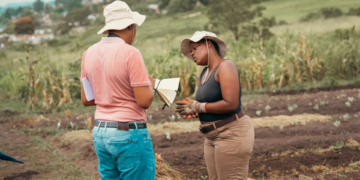
Salome Mosima remembers her hometown of Vaalwater, located between Modimolle and Lephalale in Limpopo, as a place of both natural beauty and tough times. It’s a small town, home to a lot of farms.
She loves the wide-open fields, the calm pace of country life, and the strong sense of community. Yet, the town’s limited resources shaped much of her experience.
“Growing up in Vaalwater, it felt like your life had been cursed,” Mosima admits. “We don’t have a lot of things to do. No big shops, no entertainment. Nothing that could take your mind off the struggles.”
The lack of activities, the scarcity of opportunities for young people, and the isolation of living in such a remote place left many of her peers feeling trapped.
However, Mosima, resilient and determined, refused to let her surroundings dictate her future. She found a way forward and completed her matric in 2008. It wasn’t easy, especially with the minimal resources available, but she was driven by a desire to change her circumstances.
She then pursued studies in electrical engineering and office administration, however, found herself drawn to a different path – agriculture.

After leaving formal employment, Mosima decided to focus on farming, using a small plot of her father’s land.
“I had a passion for farming from a young age, so I decided to use my father’s plot to start a poultry business and other farming ventures,” she explains. The plot, which had been left unused, became the foundation for her new journey.
Related stories
- Funding boost propels Tzaneen poultry farmer to new heights
- Small beginnings, big dreams: Ntobeko’s path to poultry success
- Raising the roost: Thobejane’s poultry venture takes flight
Learning the basics
Mosima taught herself the ropes of agriculture through online resources and mentorship.
“I taught myself farming by following the page on Facebook, Agriculture and Young. I also followed Arthur Magala, of which he is the one who motivated me in doing these things of farming, but I followed my passion,” she says.
To deepen her knowledge, she invested in manuals. “I also bought the manuals from the creator of the Agriculture and Young group on Facebook. Then I followed Facebook pages about agriculture. That’s where I taught myself how to do it.”
She started small, raising 200 day-old broiler chicks and nurturing them into full-grown chickens.
“Since I am a self-taught farmer, I only farm with 200 chicks. I do broilers, grow them from day-old chicks until they are fully grown,” she says.


Facing challenges head-on
Operating from a remote location has made marketing a significant challenge. “So I have built my clientele by going to the location to sell them chickens when they are ready.”
Her hands-on approach, despite the logistical difficulties, has helped her establish a loyal customer base.
Another challenge Mosima faces is the need for strict environmental controls, especially during Limpopo’s hot summers.
“The challenges are that when it’s very hot, you lose too many chicks so you need proper house temperature to avoid losing. You also need to give them medication,” she notes.
Despite the difficulties, Mosima remains ambitious about her future. Her wish is to see herself becoming a commercial farmer, providing big supermarkets with chickens.
Mosima encourages others to be resourceful and practise a strong work ethic. “Start with whatever you have, wherever you are, do not wait for funding from the government, it’s possible black child,” she says.
READ NEXT: Mining permits threaten Limpopo’s ecosystems and agriculture
Get Stories of Change: Inspirational stories from the people that feed Mzansi