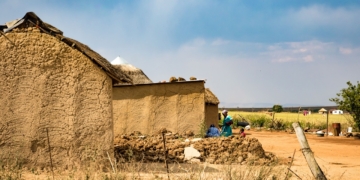
According to Stats SA, there are approximately 40 000 commercial farming units in South Africa, yet only around 20% are owned by women, highlighting the transformation challenge that remains in the agricultural sector.
Speaking during a Women’s Month discussion on transformation in agriculture, Zanele Mabelane, product portfolio head of agriculture at FNB Commercial, said policies and programmes aimed at improving gender and racial equality have helped shift the conversation, but practical barriers continue to limit women’s ownership and participation in commercial agriculture.
Empowering women to access formal agriculture
For Mabelane, the challenge is not simply whether women are involved in agriculture, but whether they can move from smaller-scale and informal activity into farming enterprises that can grow, withstand shocks and compete commercially.
Many women remain active in informal agriculture, where access to formal markets, finance and support systems can be more limited.
“Formal markets actually require businesses to be able to provide quality, a certain quantity, at the right time. You find that smaller businesses struggle with meeting those demands, and as a result they can’t access those formal markets,” she said.
Related stories
- Silent burden: Women farmers open up about mental health
- Mothers of the land: Celebrate women who feed and teach Mzansi
- SA, India agree on new citrus protocols after decade-long talks
- SA grain farmers demand fair soybean price discovery at JSE
This creates a further financing challenge. Without formal market access, farmers often struggle to demonstrate historic performance, predictable revenue and commercial demand, all of which are important when financial institutions assess funding applications.
Mabelane said that access to finance is only one part of the equation. She added that commercial success also depends on access to markets, infrastructure, technical expertise and opportunities across the agricultural value chain.
“We are moving away from the more traditional way of lending where we only focus on financing, because we realise that support is quite important,” she said.
Building a resilient agribusiness
One example of this approach is FNB Agriculture’s partnership with the Citrus Growers’ Association and the Jobs Fund, which uses blended finance to support economic transformation in the citrus industry.
According to FNB, the programme has helped growers establish and expand orchards, rehabilitate existing operations, invest in critical on-farm infrastructure and build more resilient farming businesses.
“By combining funding with skills development and enterprise support, the initiative has helped producers strengthen their operations and position themselves for long-term growth,” Mabelane said.
The model reflects the broader shift Mabelane believes is needed in agricultural transformation: moving beyond finance alone and combining affordable funding with the practical support farmers need to improve production, build capacity and access commercial opportunities.
READ NEXT: Plan your Nampo Cape around these lunchtime conversations