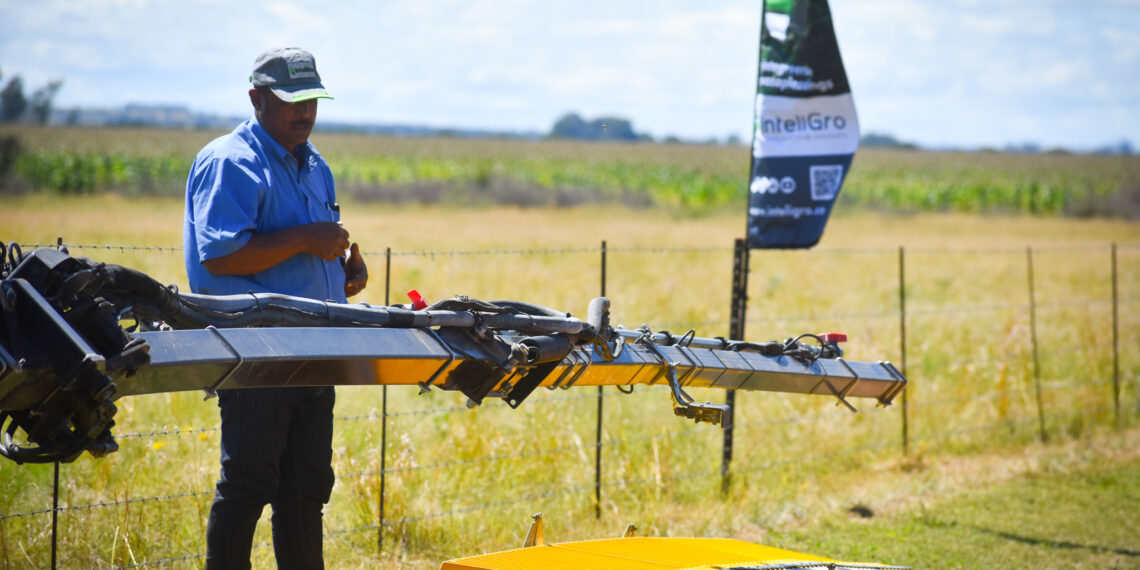
As the world observes World Day for Safety and Health at Work on 28 April, InteliGro is leading the charge in promoting compliance within South African agriculture. More than just a legal obligation, compliance is fast becoming a strategic, ethical, and environmental necessity in farming.
A prominent figure in the integrated crop solutions sector, InteliGro is dedicated to fostering a deeper understanding of compliance across the agricultural value chain.
The company’s efforts target all levels of the sector – from farmers and Crop Advisors to agri-businesses – striving to make compliance second nature rather than a mere obligation.
“At InteliGro, we believe in setting the benchmark for responsible, future-focused farming,” says Stefan van Dyk, general manager of InteliGro North. “That’s why we’re investing in educating the industry on what compliance really means, and why it matters.”
More than a checklist
Van Dyk stresses that compliance is not just about ticking boxes; it’s about doing the right thing.
Every stage of the agricultural process, from product handling and storage to worker safety and environmental management, is governed by legislation meant to protect both people and the planet.
Related stories
- Compliance costs hinder growth of SA’s essential oil industry
- Farming growth starts with planning, not just funding
“Yes, compliance can be complex, but when we’re talking about food safety, environmental protection, and the well-being of workers and consumers, it isn’t a nice-to-have, it’s essential,” Van Dyk explains.
“Compliance means building a system that reaches everyone involved, including crop advisors, agrochemical manufacturers, distributors, and most importantly, the farmer and farm workers on the ground.”
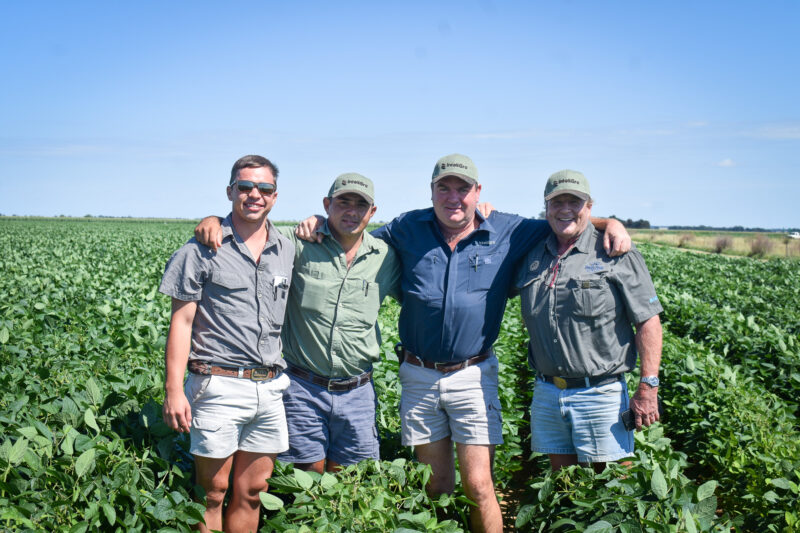
Building a culture of compliance
InteliGro’s approach extends far beyond simply meeting minimum regulatory requirements. The company collaborates with CropLife South Africa and regulatory bodies to align with key legislation, including:
- The Fertilisers, Farm Feeds, Agricultural Remedies and Stock Remedies Act (1947) (Act No. 36 of 1947)
- The Hazardous Substances Act (1973) (Act No. 15 of 1973)
- The Occupational Health and Safety Act (1993) (Act No. 85 of 1993)
- Various environmental protection acts, including SANS 10206, which governs the safe handling and disposal of pesticides.
“Our crop advisors are in the field every day,” says Janet Lawless, national marketing manager at InteliGro. “They are trusted partners to farmers, and that trust allows them to guide, support, and raise the bar when it comes to safety and sustainability.”
InteliGro’s hands-on approach includes:
- Regulatory guidance and training: Providing practical support to comply with Act 36, GHS standards, and restricted use products, via Pest Control Operator (PCO) registration and ongoing updates.
- Stewardship training: Offering on-farm sessions and spray clinics that focus on correct application, label compliance, and safety protocols.
- Waste management: Facilitating certified programs for the disposal of expired chemicals and triple-rinsed empty containers, in line with CropLife SA and GlobalG.A.P. (Good Agricultural Practices) requirements.
- Documentation and audit support: Providing templates, certificates, and advisory tools to assist producers with traceability and audit readiness.
Why compliance matters
Non-compliance can be disastrous. It not only poses reputational risks but can lead to legal consequences, operational shutdowns, and increased environmental hazards.
In contrast, embracing compliance positions businesses as forward-thinking leaders who are trusted by consumers, regulators, and stakeholders.
“Compliance reflects how you operate,” Lawless explains.
“It sets the tone for everything, from how you manage people and resources to how the public perceives your brand. Thus, compliance is a long-term investment in your business and in the future.”
Looking ahead, InteliGro remains steadfast in its commitment to help clients and partners navigate evolving regulatory landscapes while building resilient, future-ready agri-businesses.
“The message is clear, compliance is not a burden, it is an opportunity,” concludes Van Dyk. “Ultimately, compliance is about protecting lives, preserving the environment, and ensuring that agriculture remains a respected, sustainable industry for generations to come.”
READ NEXT: Agri-fintech partnerships unlock new capital for African farming
Sign up for Mzansi Today: Your daily take on the news and happenings from the agriculture value chain