Monday, November 23, 2026
SUBSCRIBE
22 GLOBAL MEDIA AWARDS
Food For Mzansi
  • News
  • Changemakers
  • Lifestyle
  • Farmer’s Inside Track
  • Food for Thought
No Result
View All Result
  • News
  • Changemakers
  • Lifestyle
  • Farmer’s Inside Track
  • Food for Thought
No Result
View All Result
Food For Mzansi
No Result
View All Result
in Lifestyle

Cook once, eat twice: Smart kitchen habits for budget winter meals

Stretching your household food budget this winter doesn’t mean sacrificing flavour or comfort. By focusing on seasonal vegetables, hearty starches, and cooking once to eat twice, you can make every ingredient count. Chef Napo Ramaili breaks down practical, cost-effective kitchen habits to feed the family for less

by Staff Reporter
23rd August 2026
Add FFM on Google
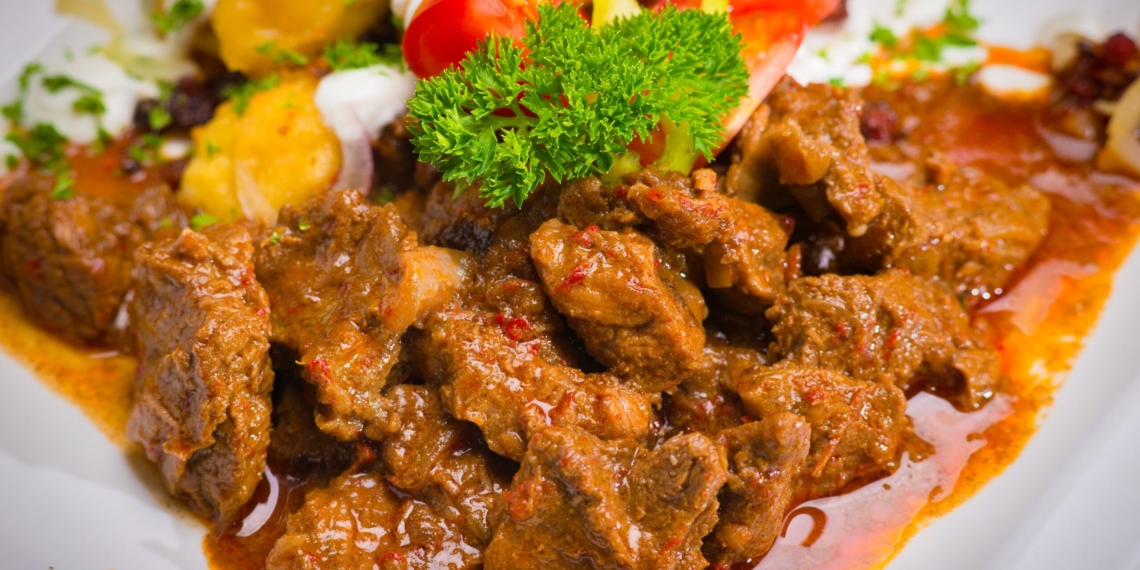
Slow-cooked beef stew

By focusing on seasonal vegetables, cheaper meat cuts, hearty starches, and cooking once to eat twice, South Africans can make every ingredient count. Photo: Novkov Visuals/Pexels

Share on FacebookShare on TwitterShare on WhatsApp

As the cold weather lingers, many South Africans are looking for ways to keep family meals hearty without stretching the grocery budget.

Although food inflation fell to a 16-year low of 0.6% in July 2026, value for money remains top of mind for households. Against this backdrop, making simple ingredients stretch a little further has become just as important as deciding what’s for dinner.

According to chef and culinary strategist Napo Ramaili, speaking on behalf of B-well, the answer isn’t necessarily buying less; it’s making better use of what’s already in the kitchen.

“Winter is about bringing people together around good food,” he says. “You don’t need expensive ingredients to make a meal feel special. Start with what’s in season, use pantry staples well and make every ingredient count.”

Slash your monthly food bill

For Ramaili, saving money starts long before dinner reaches the table. It begins with planning what today’s meal could become tomorrow.

“If I’m roasting a chicken, I already know how I’m going to use what’s left,” he says. “The chicken becomes tomorrow’s fried rice or wraps, while the bones go straight into a pot for homemade stock.”

The same thinking applies to everyday staples such as beans and lentils. A generous pot of bean stew can be served with pap one evening, then blended into a hearty soup or used as a filling for vetkoek the next day.


Related stories
  • Goat meat: From inyama yesiko to menu must-have
  • Taste of home: Food that connects hearts in Mzansi
  • Cornbread queen Mtetwa makes mealies the star of any meal
  • Flu-fighting foods that should be on your plate

Even vegetables can do more than one job. “Leftover pumpkin or samp doesn’t have to stay the same. Turn it into pumpkin fritters or add it to a vegetable soup. With a little creativity, very little ends up in the bin.”

Thinking ahead also takes some of the pressure out of busy weeknights. A double batch of soup, stew or one-pot chicken can easily become tomorrow’s lunch or dinner, saving both time and money while reducing food waste.

Small changes that make a difference

Not every money-saving tip starts at the supermarket. Sometimes it’s the habits in your own kitchen that have the biggest impact.

One of Ramaili’s simplest tips is to measure cooking oil instead of pouring it straight from the bottle. “It’s a simple change that many people overlook. Using only what you need helps your oil last longer without compromising on flavour.”

He also recommends roasting a large tray of vegetables in one go with canola oil. Roasted butternut, carrots and onions can be served alongside dinner, added to salads the next day or tucked into wraps for lunch later in the week, making one cooking session work across several meals.

Cabbage comfort: Mzansi chefs share hearty winter recipes

Winter favourites worth coming back to

When it comes to feeding a family, Ramaili believes some of South Africa’s best-loved dishes are also among the most economical. He recommends building meals around seasonal vegetables, legumes and affordable staples like rice, pap and samp, while using protein to add flavour rather than making it the centre of every plate.

“Stretching one protein across a meal is often all you need. Pair it with seasonal vegetables and filling starches, and you’ve got something that’s both satisfying and affordable.”

His own winter favourites include hearty sugar bean and lentil soup served with dombolo, one-pot chicken and rice, slow-cooked beef stew made with more affordable cuts of meat, and classics like pap, chakalaka and stew.

“These are the meals many of us grew up with,” Ramaili says. “They’re wholesome, filling and designed to feed a family without costing a fortune.”

As household budgets continue to shape the way South Africans shop and cook, making every ingredient count has never been more relevant. This winter, a little planning, a few smart kitchen habits and a fresh way of looking at leftovers could be the difference between stretching the grocery budget and sacrificing the comfort of sharing a good meal around the table.

READ NEXT: Dune spinach: A climate-hardy green transforming coastal farming

Red stylized leaves resembling flames enclosed in a rounded, irregular red border on a white background.

Sign-up for the latest agricultural news delivered straight to your inbox every day with Mzansi Today!

Add FFM on Google Follow FFM on Google News

Staff Reporter

Researched and written by our team of writers and editors.

Tags: Consumer interestFood pricesInform meRecipesVegetables
How Alkelp is turning seaweed into biostimulants that deliver value on the farm
Advertorial

How Alkelp is turning seaweed into biostimulants that deliver value on the farm

by Staff Reporter
20th November 2026

PARTNER CONTENT: As farmers face pressure to produce more with fewer inputs, plant biostimulants are becoming vital to modern crop...

Read moreDetails
A broad, plowed farm field stretches toward a distant tree line under a bright blue, partly cloudy sky.

Climate risk is business risk: How farmers can prepare for El Niño

20th November 2026
Why South Africa’s wheat industry is under investigation

Eight-year harvest low threatens survival of SA wheat farms

20th November 2026
A smiling bearded man walks along a rural path surrounded by a large flock of white goats.

Business-first mindset drives success for EC mohair farmers

19th November 2026
A farmer in a plaid shirt and cap standing in a wheat field while reviewing data and charts on a digital tablet.

You’ve collected the data. Now what?

19th November 2026

AgriSA, IFC partner to streamline sustainable farm finance in SA

Why giving farmers seedlings isn’t enough to beat the next drought

Climate risk is business risk: How farmers can prepare for El Niño

This week’s agri events: 23 – 27 November

Agri Western Cape slams 15% agricultural water cut

Join Food For Mzansi's WhatsApp channel for the latest updates!

JOIN NOW!
Next Post
No water, no farming: Broken pipes halt KZN women farmers

This week’s agri events: 24 – 28 August

THE NEW FACE OF SOUTH AFRICAN AGRICULTURE

With 21 global awards in the first six years of its existence, Food For Mzansi is much more than an agriculture publication. It is a movement, unashamedly saluting the unsung heroes of South African agriculture. We believe in the power of agriculture to promote nation building and social cohesion by telling stories that are often overlooked by broader society.

Why seasonal rainfall averages don’t guarantee maize yields

Top matric achiever skips varsity to build thriving farm from scratch

Beyond timber: How farmers can profit from multi-purpose trees

This week’s agri events: 23 – 27 November

When to plant fodder radish for better livestock feed in droughts

Private partnerships unlock millions for land reform beneficiaries

  • Awards & Global Impact
  • Our Story
  • Contact Us
  • Cookie Policy
  • Privacy Policy
  • Copyright

Contact us
Office: +27 21 879 1824
News: info@foodformzansi.co.za
Advertising: sales@foodformzansi.co.za

Contact us
Office: +27 21 879 1824
News: info@foodformzansi.co.za
Advertising: sales@foodformzansi.co.za

  • Awards & Global Impact
  • Our Story
  • Contact Us
  • Cookie Policy
  • Privacy Policy
  • Copyright

Chat Options

About this assistant

This feature generates automated answers summarised from Food For Mzansi articles. By using it, you are interacting with an AI system (provided by Google), not a human. AI can make mistakes. Please refer to the source articles for verification and citation purposes.

Our staff do not check or moderate Lerato’s answers in advance, but may review some later. Our journalists continue to write and edit all the articles Lerato uses as sources.

To estimate unique and returning web users, we store a random browser ID in this browser. WhatsApp users are counted by phone number. The same person using both channels may be counted twice.

I'm Lerato, your AI assistant!
No Result
View All Result
  • News
  • Changemakers
  • Lifestyle
  • Farmer’s Inside Track
  • Food for Thought

Copyright © 2026 Food for Mzansi