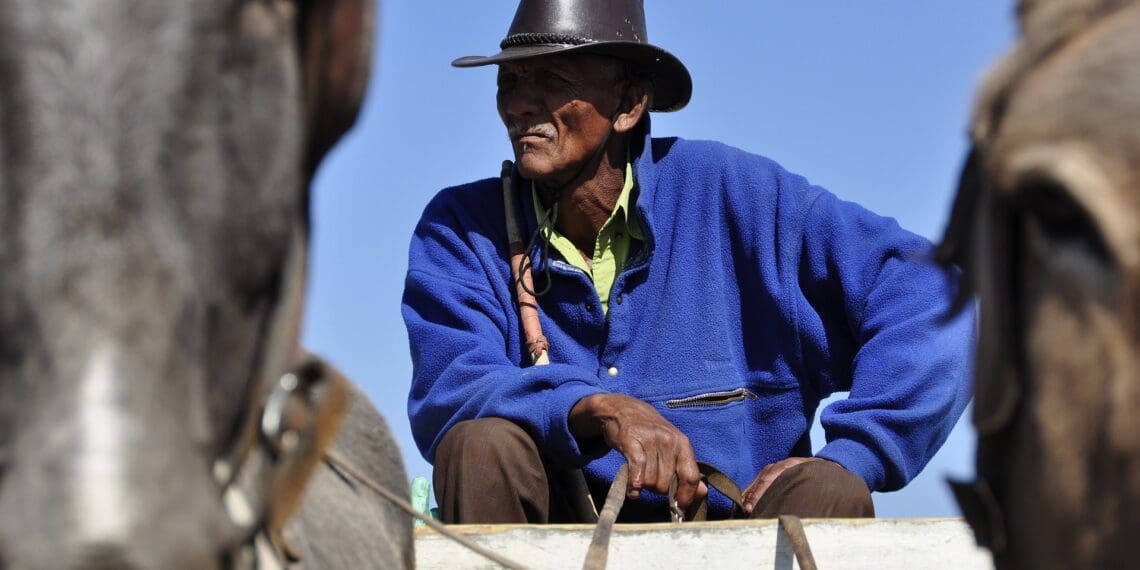
Small-scale farmers across the continent run the risk of being ignored and excluded from the upcoming United Nations Conference on Climate Change (Cop27) in Egypt. This is according to Africa’s largest civil society organisation, the Alliance for Food Sovereignty in Africa (AFSA).
The warning follows the largest gathering of climate change civil society, which took place in Addis Ababa from 19 to 21 September 2022, with the topic “Africa’s roadmap to adaptation through agroecology: defining Africa’s position for COP27.”
The gathering urged Cop27 to prioritise agroecology in Africa’s climate adaptation efforts in order to build resilience among the continent’s small-scale farmers, fishers, pastoralists, indigenous people, and food systems.
AFSA emphasised in an article published on FoodForAfrika.com, that in light of the rising rates of hunger, neglecting the concerns of small-scale producers will only worsen the situation.
Ignoring agroecology is ignoring Africa’s farmers
Meanwhile, the IPCC Special Report on Climate Change and Land 2019 recognises agroecology’s key role.
Million Belay, AFSA General Coordinator and Panel Expert with IPES-Food believes that increasing the resilience of the food system through agroecology and diversification is an effective way to achieve climate change adaptation (robust evidence, high agreement).
“Ignoring agroecology is ignoring Africa’s farmers and side-lining the planet’s most vulnerable people who are being hit first and worst by the climate crisis,” he points out.
“Africa could feed itself many times over. But agroecology cannot and must not be overlooked by decision-makers as the most effective means to build resilience and enable small-scale farmers, pastoralists and fishers to adapt to climate change.”
AFSA is the largest continental voice in support of agroecology and food sovereignty. With 36 member networks and a total audience of 200 million people in 50 African countries, it is the largest civil society alliance in the continent.
Farmers, indigenous groups, pastoralists, hunters, gatherers, fishermen, consumer networks, women’s networks, youth networks, faith-based organisations, and civil society organisations are all included in AFSA’s membership.
Read the full story via FoodForAfrika.com
ALSO READ: How food price spikes can be eased in Africa
Sign up for Mzansi Today: Your daily take on the news and happenings from the agriculture value chain.