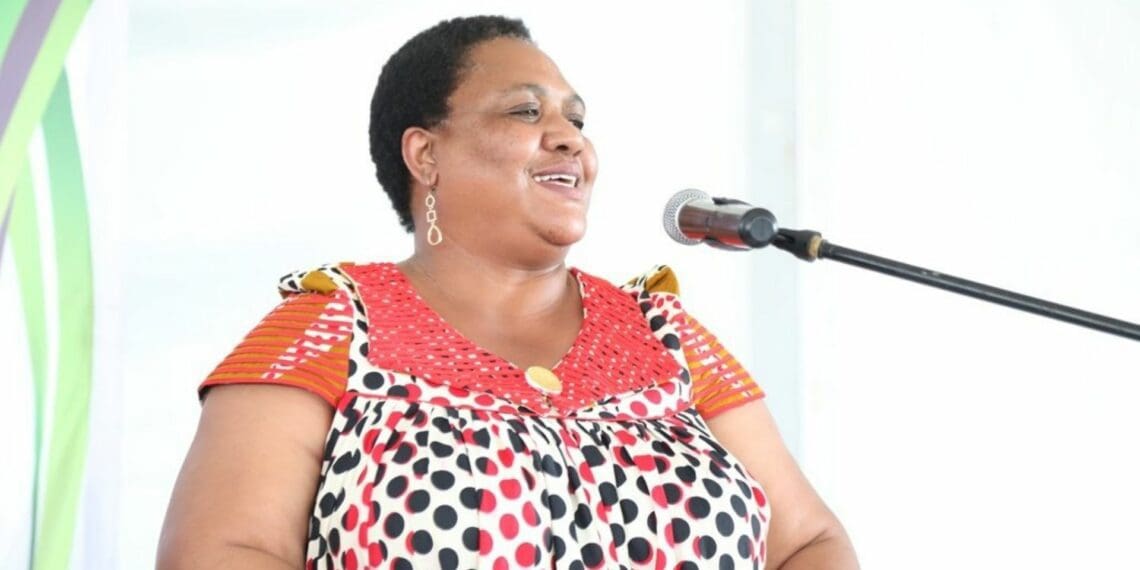
In her official response to the Russia-Ukraine war, agricultural minister Thoko Didiza has assured South Africans that the country has sufficient food supplies for the foreseeable future to withstand the fallout of the conflict. This amid fears of global food shortages in countries that trade directly with the countries at war.
In a statement released by her department, Didiza stated that there was no reason for the South Africa to panic. Southern African Custom Union (SACU) countries, which include Botswana, Eswatini, Lesotho and Namibia, also has enough food reserves, she said.
The statement comes after her meeting with food processors, leaders in the fruit and grains industry, agricultural trading groups, and farmer associations to discuss availability of food supplies and farming inputs amid the Russia-Ukraine war.
Following these deliberations, Didiza emphasised her certainty that the country would not experience food shortages as a result of the war.
“We have gained enough understanding of our available food supplies and are confident that there are sufficient supplies for South Africa and the neighbouring SACU countries for the foreseeable future.
“And therefore [there’s] no need to panic that the country could experience [food] shortages,” the agricultural minister said.
Didiza said that South Africa had benefitted from good harvests of a range of crops and fruits, “and have already imported a large share of products that we are import-dependent on, such as wheat and rice.”
The consultations with her department formed part of the inter-ministerial task team assessing risks to the South African economy during the Russian invasion of Ukraine..
The engagement evaluated the availability of the food supplies and farming inputs supplies for the coming months.
ALSO READ: Cooking oil shortage: ‘Time to look at alternatives’
What’s the plan going forward?
Furthermore, Didiza explained that industry stakeholders had committed to sharing information about the food production conditions going forward. She pointed out that this would enable better planning and response if needed in the future.
The industry role-players also reflected on the need to drive long term inclusive growth in the sector, Didiza said.
“We will follow up on this call by addressing constraints to agriculture growth, including access to funding for new entrant farmers, crop and animal disease occurrences, and improving domestic fertiliser capacity,” she added.
Meanwhile, the long-term and focused interventions Didiza said was contained in the agriculture and the agro-processing master plan. She said her department would be launching this soon will with social partners.
ALSO READ: Russia-Ukraine: In the end, we all pay the price
Sign up for Mzansi Today: Your daily take on the news and happenings from the agriculture value chain.