There is nothing under the sun that Sinothando Lolo from Eastern Cape’s Tyalarha location in Mthatha is afraid to try. When it comes to gender norms, Lolo has confidently stepped into spaces often seen as masculine and made them her own.
From birth, she has lived the life of a village girl, raised on survival and shaped by resilience. Through that upbringing, she gained valuable skills and discovered her purpose.
She tells Food For Mzansi she grew up in a home where no one had a permanent job. “My father used to build houses for people in the community and supported our family by planting maize and raising livestock,” she says.
“My mother started a small vegetable garden and kept chickens, which helped us reduce the need to buy everything from the store.”
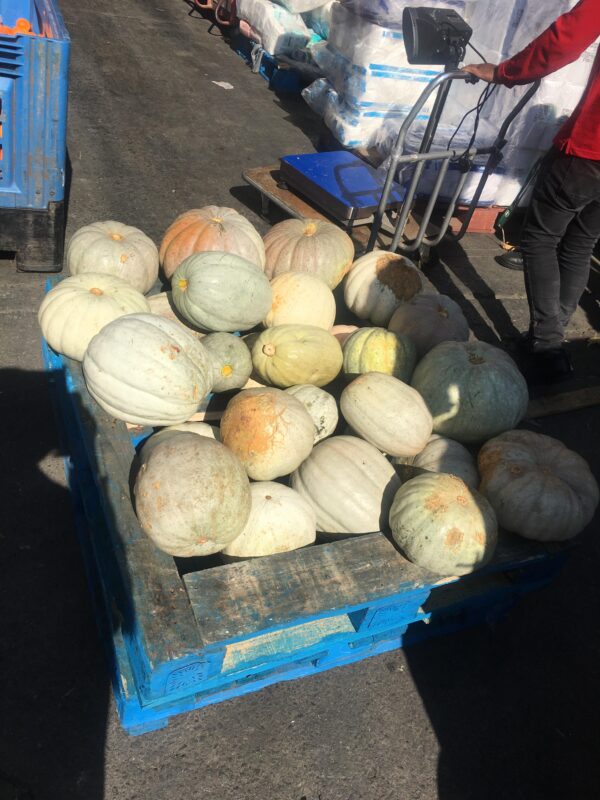
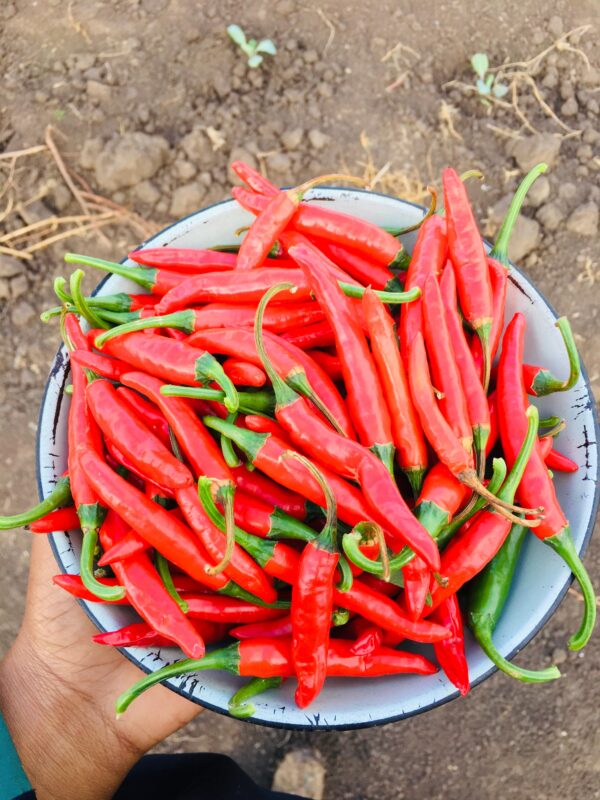
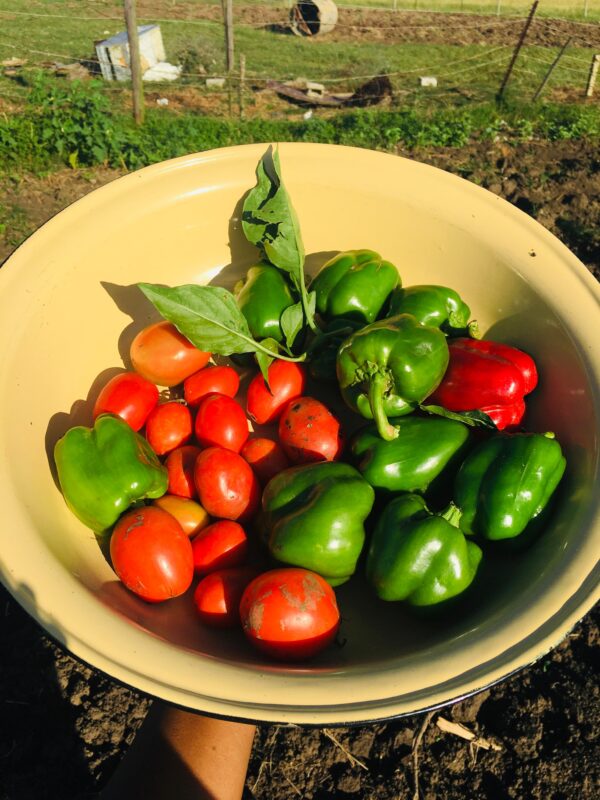
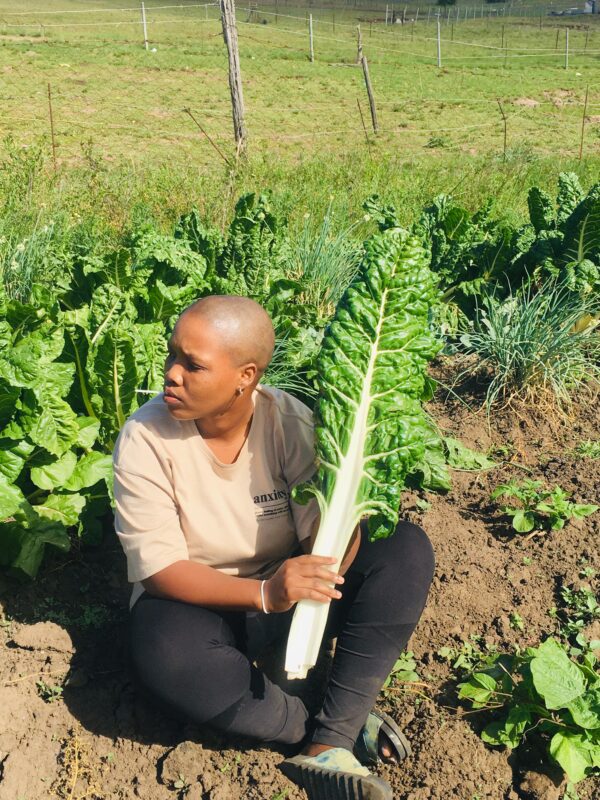
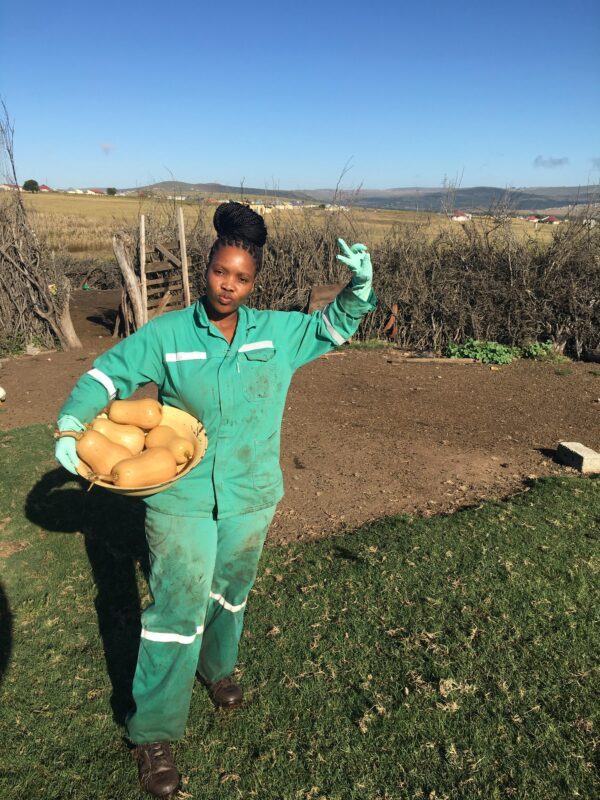
Today, Lolo continues this legacy, farming with her family on two garden plots at her childhood home. The larger plot, covering approximately four hectares, is used for maize during its growing season, while the smaller plot is dedicated to vegetables such as cabbage, potatoes, peppers, butternut squash, broccoli, onions, spinach, chillies, and pumpkins.
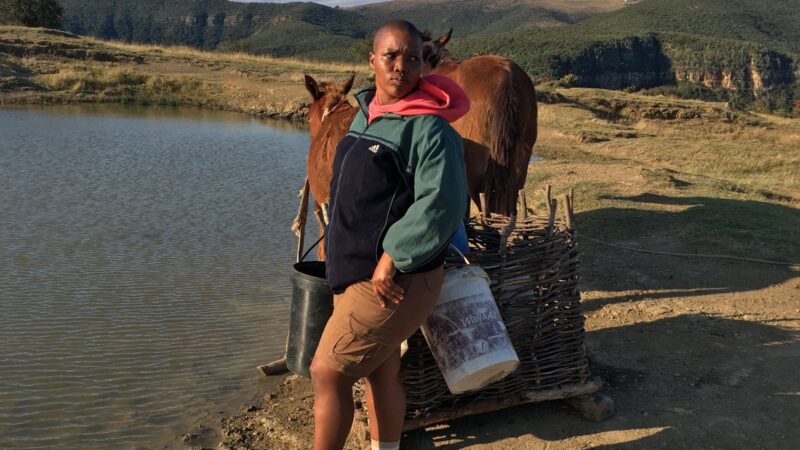
Both plots lack fencing, an irrigation system, and water tanks, meaning all work – including fetching water from the nearest river – is done manually.
Growing beyond tradition
Although the garden has always produced staple crops, the family recently experimented with other vegetables and was surprised by the good yields. Encouraged by this success, Lolo plans to expand the list of crops they grow.
They also keep a variety of livestock, including crossbreeds of indigenous goats and Boer goats, Afrikaner and Merino sheep, and Brahman and Jersey cattle. The family also raises crossbred Large White pigs and indigenous chickens.
Related stories
- Gumbi’s secret recipe: From flop to fan favourite
- Family roots inspire Limpopo cousins’ rise in organic farming
While mainly kept for subsistence, the livestock has been essential in sustaining the family for as long as she can remember.
“During December, my father would sell some of his sheep to cover our school expenses. We would get Christmas clothes from the money earned from selling sheep wool.”
Each morning before school, Lolo and her siblings would collect milk from their sheep, goats, and cows. “From that, we made amasi (fermented milk), which became a staple in our home.”
Dreams of agritourism
Today, although they still farm using traditional methods, Lolo is open to learning new approaches. She is particularly interested in agroforestry, where crops are grown alongside trees to build a more diverse, productive, and climate-resilient system.
She also sometimes uses horses to deliver produce to customers, a skill she learned at age nine. This experience brought her close to her father, and to this day, she finds it hard to live far from home.
After matriculating in 2019, Lolo struggled for two years to gain entry to university. In 2022, she enrolled in a diploma in tourism management at Nelson Mandela Metropolitan University and is now in her final year. She returns home every school holiday while her parents keep the farm running.
“Having a supportive family is making a difference right now,” Lolo says. “They keep the farming going, and I’m happy because I’m learning from them too.”
She adds, “Although we don’t have another form of transport yet, we hope to grow, buy one, and eventually fence, irrigate, and expand the farm.”
Lolo admits that tourism is not a career close to her heart, but after struggling to get into university, she took the opportunity available to her. Now, however, she sees a chance to combine tourism and farming under one business umbrella. She is still working out the strategy but believes there is great potential in blending the two.

READ NEXT: Mother-daughter farmers cultivate heritage, not just crops