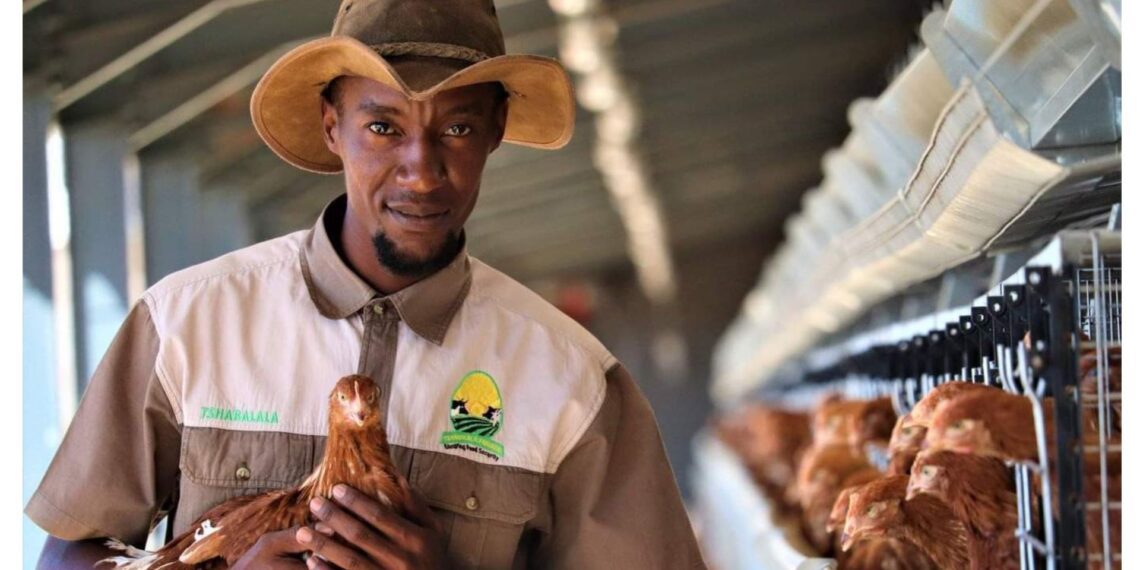
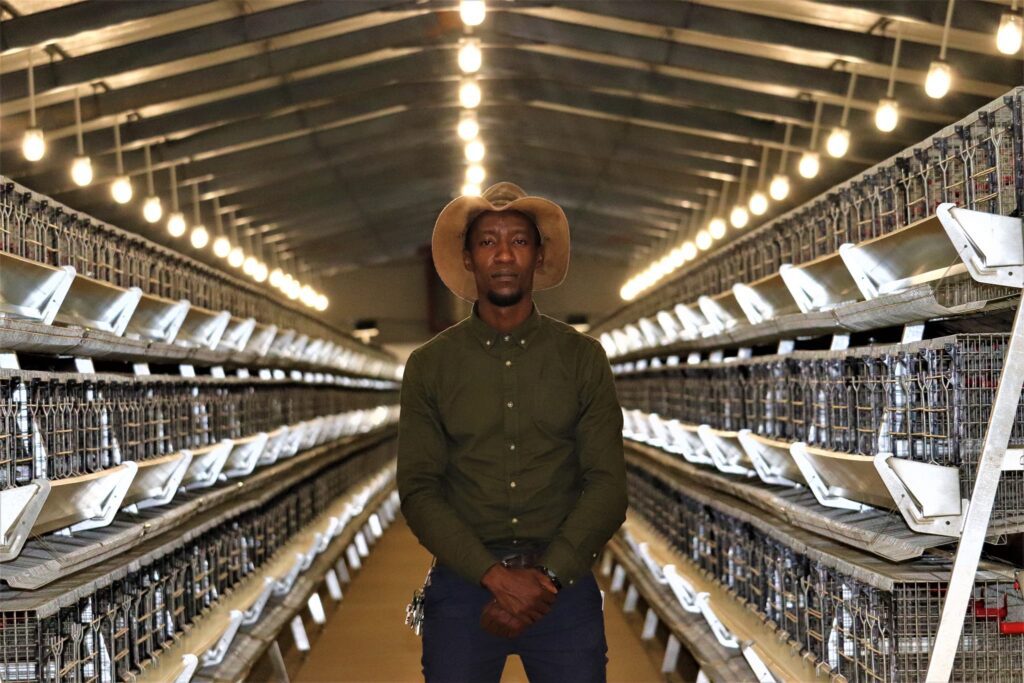
Sizo Tshabalala is a man with big dreams, but he’s also a big farmer. This first-generation poultry farmer, based on communal land in Elukwatini, Mpumalanga, runs a thriving enterprise called Tshabalala Farming. It is a family-run business operating a 10-hectare farm, featuring a layer house with a capacity to hold 15 000 birds.
Despite starting with little more than determination and a vision, Tshabalala’s commitment to his dream has transformed his modest beginnings into a substantial and successful operation.
“For me, it was an opportunity to go into farming. But for my mother, it was a nightmare because she expected me to have an office job. Instead, I came home dirty and in boots. Sometimes, I think she was traumatised; she just imagined me in an office space,” Sizo recalls.
Despite initial resistance, his parents eventually supported his passion as they saw him building a successful farming business. “Today, they understand. In fact, if I were to tell them now that I want to quit farming, my mother would fight me as she did when I wanted to start.”
His mother has also embraced farming, planting tomatoes and teaching Tshabalala how to grow them. Tshabalala Farming produces layers and eggs, with eggs being the main source of cash flow. They have also started planting seasonal tomatoes and recently added sweet potatoes to their crops.

Failures and opportunities
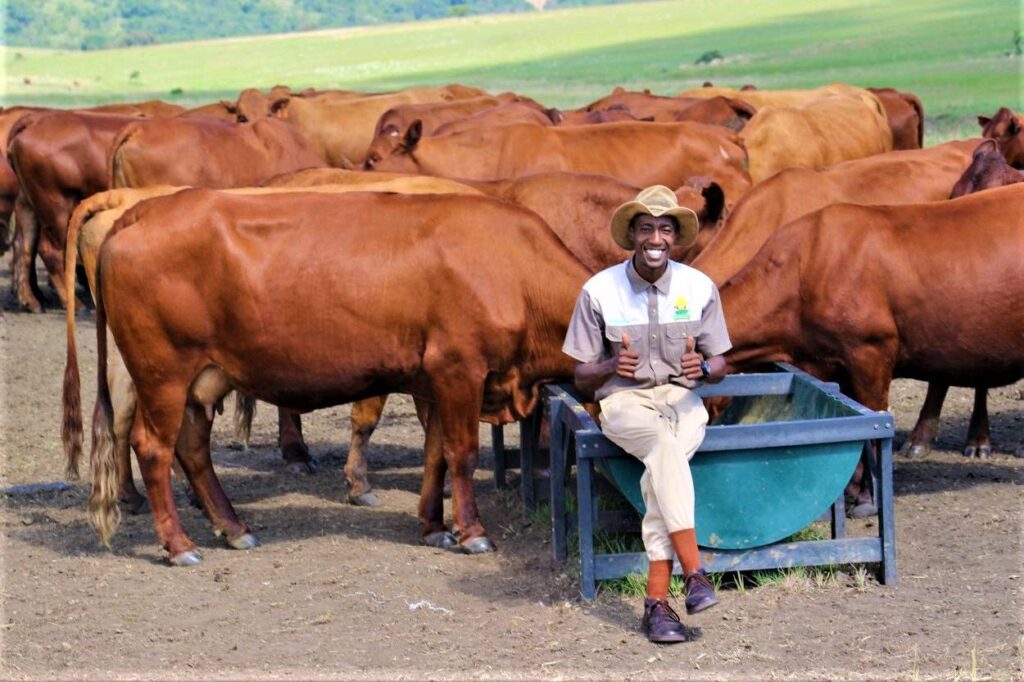
Tshabalala’s farming journey has not been without challenges. He previously managed a Bonsmara cattle stud and goats but faced significant setbacks.
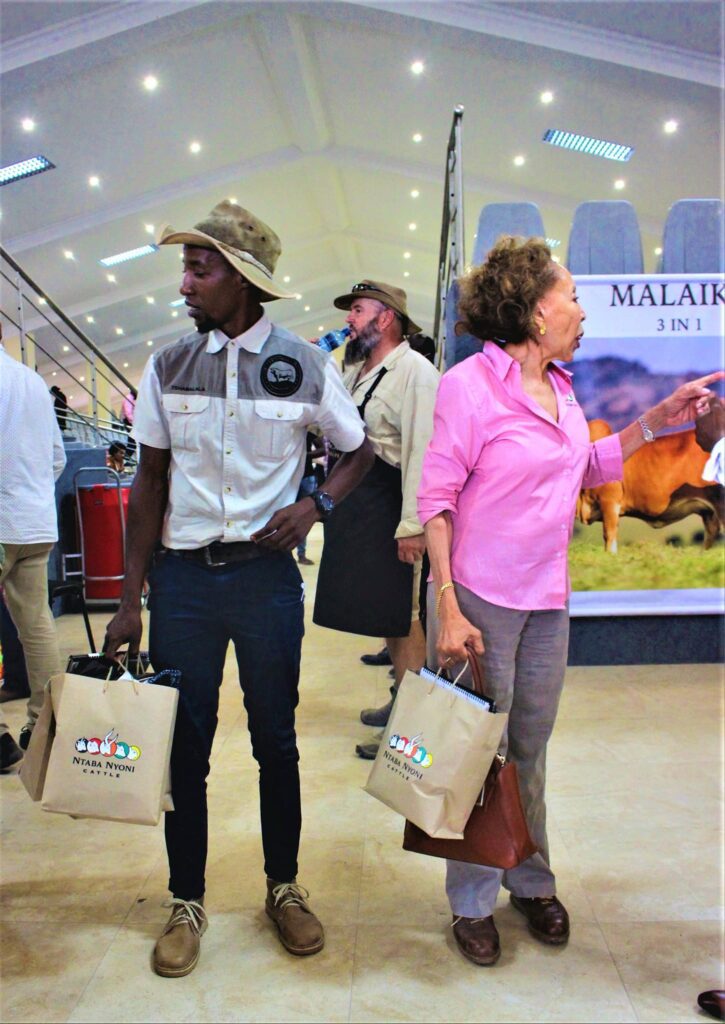
Despite numerous setbacks, Tshabalala pursued his passion after completing a diploma in animal production at Tshwane University of Technology. His farming career began in 2013 when he bought land and started with six calves, later expanding to boer goats with his brother’s support.
However, challenges such as financial strains and livestock issues plagued his early efforts. In 2016, a series of misfortunes, including goat miscarriages and thefts, tested his resolve.
“In the first season, 43 goats got pregnant through natural mating, but I did not vaccinate them at the time of mating. They got infected with bacteria and I lost 39 goats to miscarriage,” he explains.
After repeated failures, Tshabalala decided to sell the goats and invest the proceeds into layer production. His mother, a baker, would often send him to buy eggs, and during these trips, he noticed the rising prices of eggs, sparking the idea to start his own layer production.
BOOK NOW FOR BROILER TRAINING
Establishing a stable market
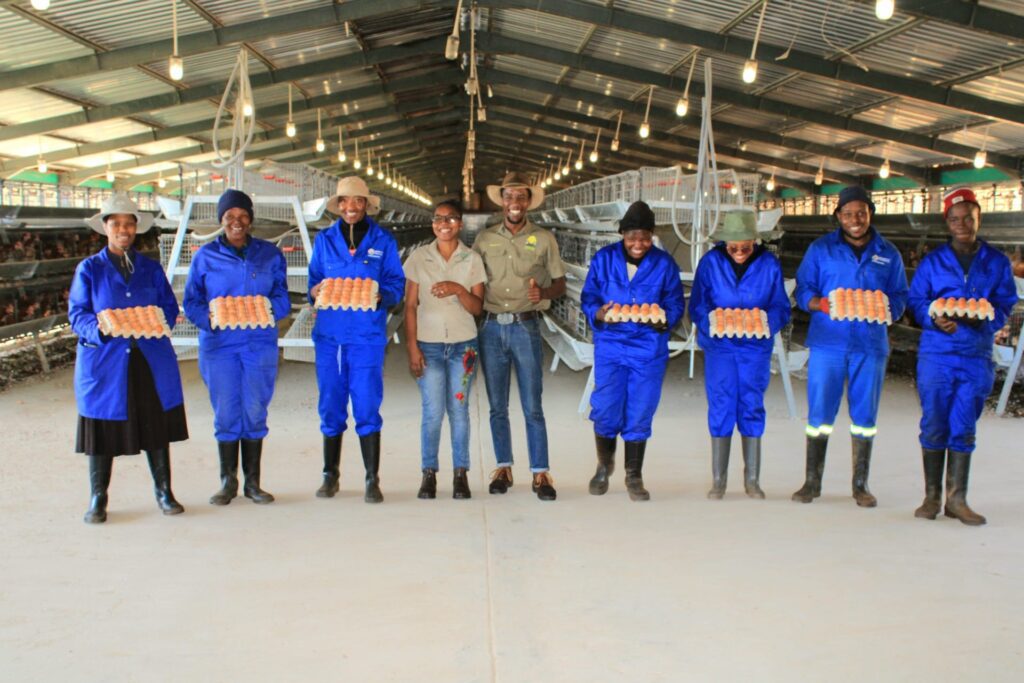
Together, the family shifted to layer production, however, Tshabalala cautions that it was no walk in the park. They started by selling eggs as street vendors in their local town from a small corrugated iron structure. As production increased, they then approached Spar for supply contracts.
“In 2023, Spar cancelled our supply. I realised the importance of diversifying my markets and managed to secure five other buyers. Spar has since returned,” he notes.
While the family only owns one layer house at the moment, the goal is to build two more houses. “I can’t have my chicken house at full capacity yet because when I change the chickens, I don’t want them to go to the same space as the previous batch. We are about to increase to 7 500 chickens very soon,” Tshabalala says.
“One thing I take very seriously is relationships. It’s something many people take for granted,” he emphasises.
He recounts a time when he did not have enough egg trays. “We went all over trying to find egg trays and couldn’t sell eggs. Because I couldn’t sell, I couldn’t buy feed for the chickens. Thanks to the relationships I built, a supplier offered to give us feed until we could afford to pay him back.”
Related stories
- Rising from retrenchment: Leemo shakes up township veggie sales
- Karabo soars as Mahlaba Eagles Farming takes flight
What’s next for Tshabalala Farming?
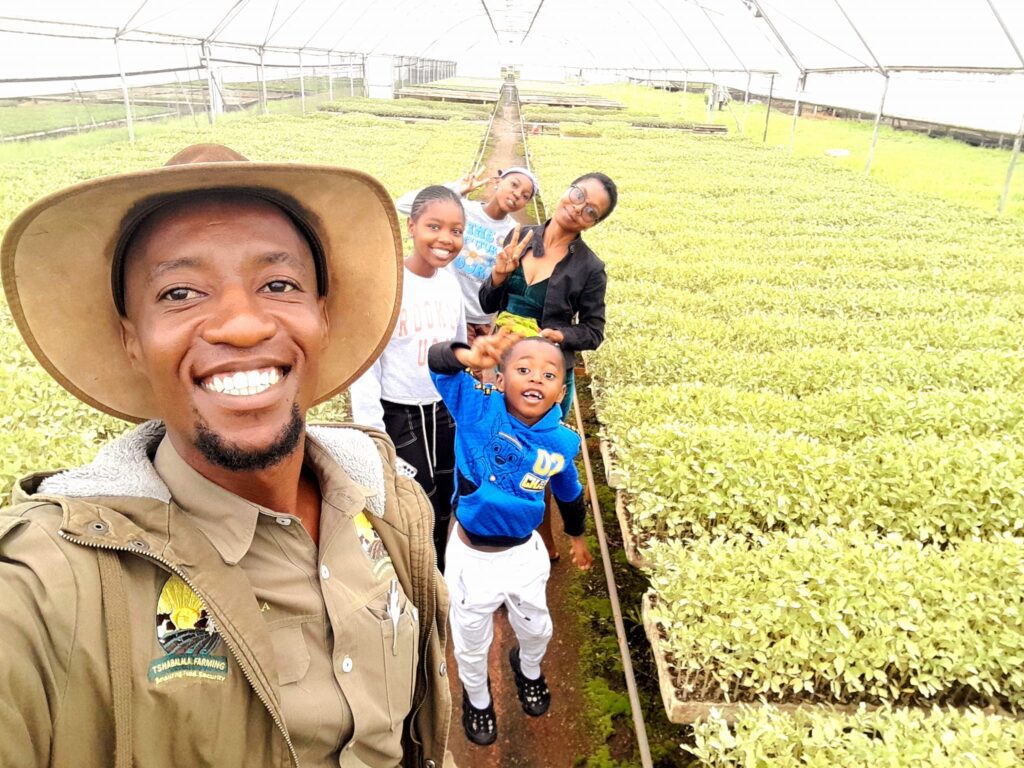
Tshabalala has ventured into Bonsmara stud breeding, managing a stud breed. The family also runs a vegetable farming unit and they are looking to diversify their cash flow and aiming for sustainability in egg production.
“We want to start manufacturing our own egg trays to control a part of the value chain. Sometimes I drive 250km to collect egg trays or chickens. Having this system in place will help us a lot and benefit other farmers in the area.”
Meanwhile, his wife manages the vegetable side of the business, which is still a new venture but on the brink of being expanded.
“I have a vision that in the next 20 years we will employ 100 000 people and have a company listed on the JSE. The possibilities are endless.
“I was sweating the other day thinking about employing so many people. It’s a crazy dream but I know it is possible,” Tshabalala says.
Not only does Tshabalala run a well-established and reputable farming business but he is also a dedicated and community-minded individual who values education and mentorship.
“Recently I got a visit from a young man who is in Grade 9. He came to research what he had to do in order to become a farmer. He had a lot of questions and was actually taking notes. We had a productive session we had. These are the moments I can never be too busy for,” Tshabalala says.

READ NEXT: Introducing Dimpho Xaba: Farmer, lecturer, beekeeper
Get Stories of Change: Inspirational stories from the people that feed Mzansi.