Nobesuthu Magida knows poverty intimately. Growing up in Mqanduli village in the Eastern Cape, she experienced it every day. Many nights, the only meal her family had was the vegetables growing in their backyard garden. These experiences shaped her, leading her, years later, to set up a food kitchen in Khayelitsha’s Site C, more than 900 kilometres away in the Western Cape.
“I know how it is to live in poverty,” she says, her voice steady with the weight of her past. “No one deserves to sleep hungry. If someone asks me for food, I jump because I know what it is like to sleep without it.”
Planting seeds with empty pockets
Magida is the mastermind behind the food gardening project started in 2021 as a special project within the Kwakhanya Greening and Home-Based Care. Kwakhanya was started by Sweetness Mzolisa in 2009 as an initiative to support people living with HIV and AIDS in Site C. However, Magida soon realised that those with HIV and AIDS faced an even greater challenge.
“They are struggling with starvation. A lot of them have just given up hope of living like normal people. Some of them even abuse alcohol. I tried to help them get their SASSA grants, but we struggled a lot, and the process was taking too long.”
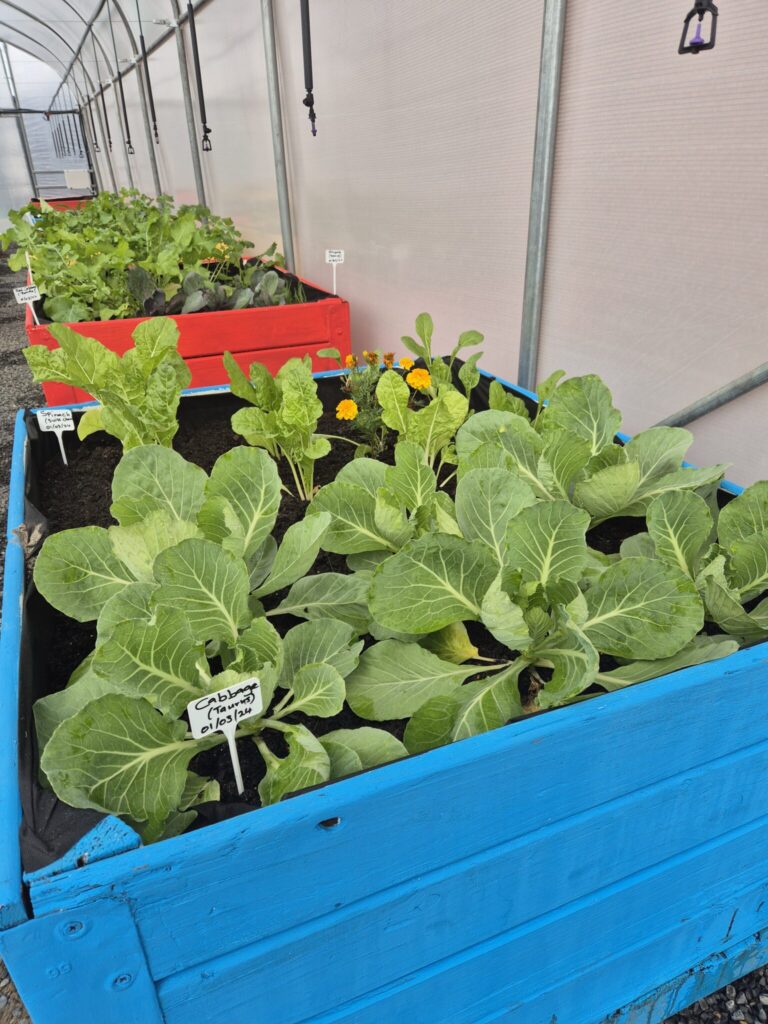
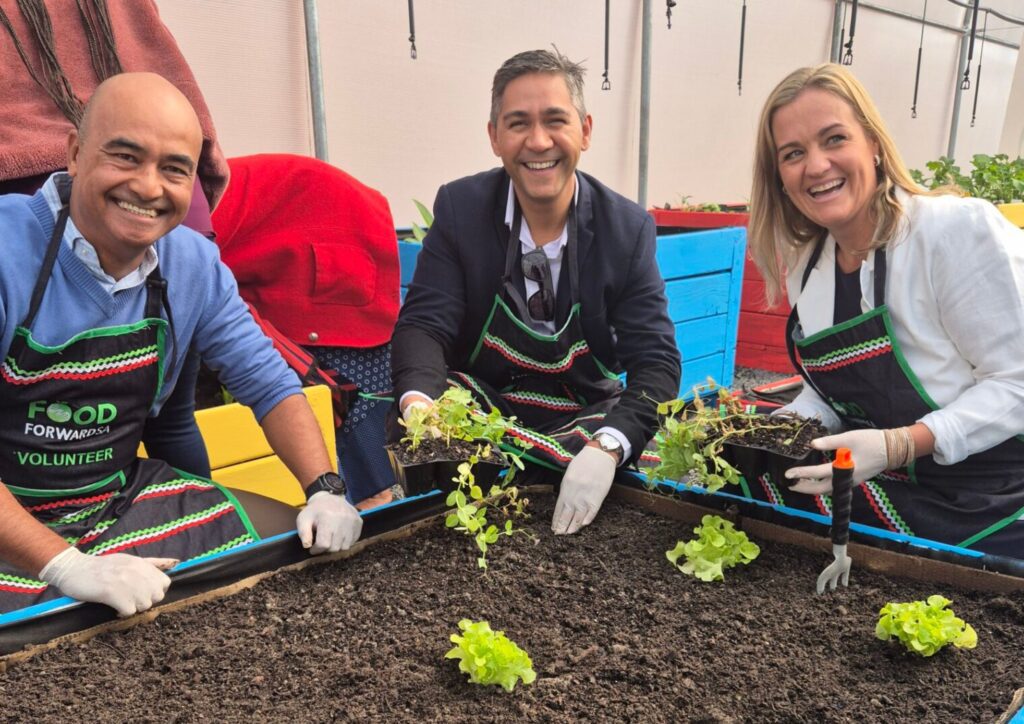
Turning to FoodForward SA for help, they came to her aid. Using groceries from them, she could provide a weekly meal for the beneficiaries. In 2023, FoodForward SA proposed starting a food garden and offered assistance with its setup.
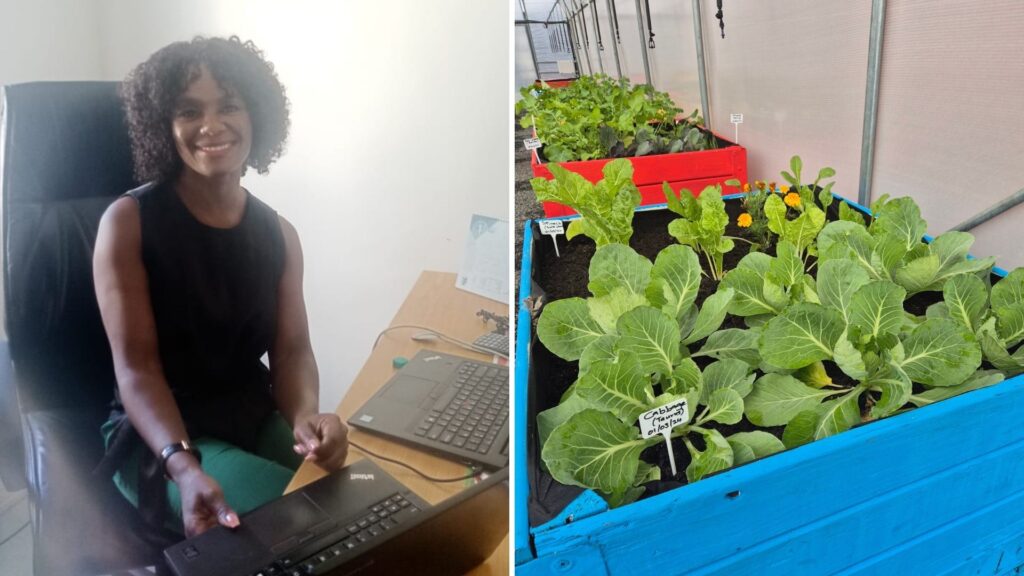
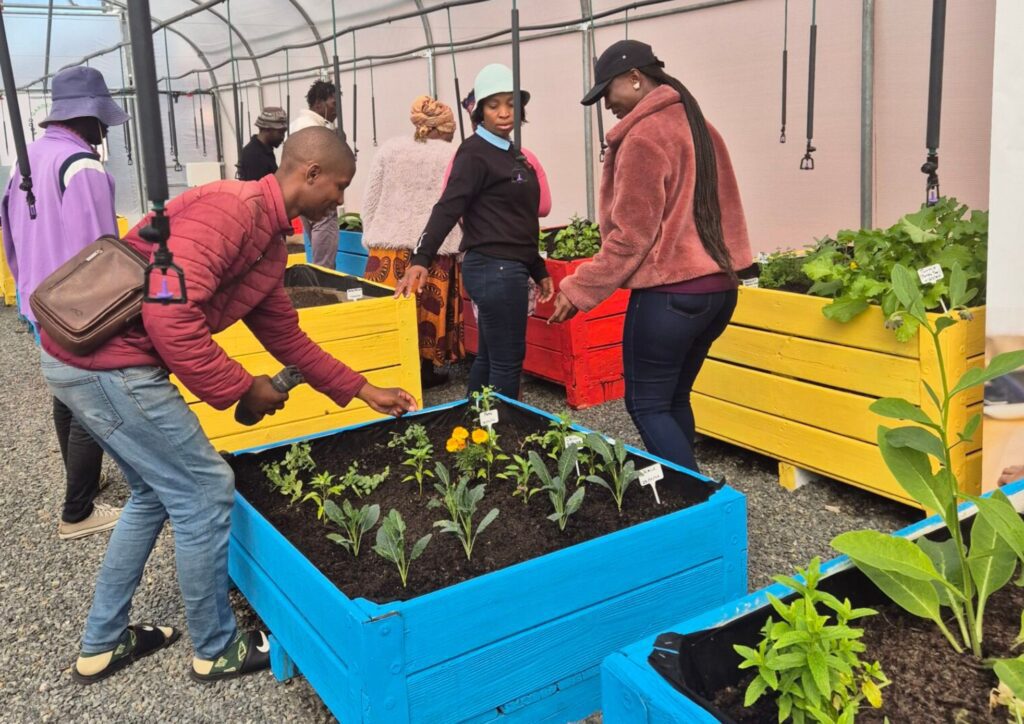
Now, as part of their ongoing commitment to empowering communities through sustainable solutions, FoodForward SA has launched their Food Gardens Connect project. Kwakhanya is a key participant in this programme, which has been symbolised as a major milestone for the organisation.
FFSA provides organisations like Kwakhanya with seedlings for their gardens. When their crops mature, they purchase any excess produce and distribute it to other organisations. This arrangement helps Kwakhanya generate an income and promotes self-sustainability.
Related stories:
- Prodigal farmer returns home to rebuild cattle herd
- Karabo soars as Mahlaba Eagles Farming takes flight
- Boost crop yields with smart agrochemical practices
Going back to our roots
Nofirst Mdlaza, one of the senior members of the group, says being involved in this project has had a profound impact on her life.
“I’ve been involved in numerous community projects, but none have resonated with me quite like this one. The opportunity to tend to the garden not only keeps me occupied but also provides sustenance for my family,” she says.
“Additionally, the surplus yields allow me to supplement our income, enabling me to purchase essentials like bread for our household.”

Andisiwe Phiti, one of the younger members, says being part of this project has kept him off the streets where gangsterism is prevalent.
“As a young person, this project has provided me with meaningful occupation, steering me away from the streets and negative influences like drugs and gangsterism. I want to inspire more youths to participate in similar initiatives, offering them an alternative path towards a brighter future.”
Magida believes the project should not be limited to Kwakhanya alone, and she envisions it expanding to other areas. In the meantime, she hopes people will embrace the traditions of the past and start growing their own food again.
“Our great-grandfathers planted gardens and never bought potatoes, mielies, or spinach. We grew these things ourselves.”
READ NEXT: From cabbage patch to big dreams: Sphelele makes a big difference
Get Stories of Change: Inspirational stories from the people that feed Mzansi.