In South Africa, the right to access adequate and nutritious food is enshrined in the constitution, making food security not just a developmental goal but a legal imperative. Yet, despite this commitment, food insecurity remains a persistent challenge, especially at the household level. Dr Walter Shiba, Dr Siphe Zantsi, Portia Mdwebi and Papi Kubeka, all from the Agricultural Research Council (ARC), share their insights.
World Food Day is a global call to action to eliminate hunger and malnutrition, aligning with the Sustainable Development Goals (SDGs), particularly SDG 2, which aims to end hunger, achieve food security, improve nutrition, and promote sustainable agriculture.
South Africa is often described as food secure at the national level, largely due to its robust agricultural sector and well-developed food supply chains. According to the Global Food Security Index, South Africa ranked 59th out of 113 countries in 2022 and was the most food-secure country in Sub-Saharan Africa, second only to Morocco on the continent.
The country’s food security score improved due to gains in food availability, quality, and safety, although affordability remains a concern due to high unemployment and income inequality.
The Global Hunger Index (GHI) also reflects South Africa’s relatively strong position. In 2024, South Africa’s GHI score dropped to 12.5, a 30.56% reduction from 2000, placing it among the top 10 most food-secure African countries. However, these national-level indicators mask the reality that 1 in 5 South African households experiences food insecurity, with 8% facing severe food insecurity.
This contradiction highlights the dual nature of South Africa’s food system: while the country exports agricultural products and maintains national food availability, many households lack the income to access sufficient food.
The root causes of household food insecurity
The primary driver of food insecurity in South Africa is economic access. Most households, including those in rural areas, rely on the market to purchase food. This dependence makes them vulnerable to price fluctuations and income shocks. The General Household Survey and other studies show that food insecurity is not due to a lack of food in the country but rather the inability of households to afford it. Unemployment, low wages, and limited social protection exacerbate this issue.
READ NEXT: Food justice: Rural women launch campaign to end hunger

The role of own food production
In this context, own food production emerges as a critical strategy to buffer households against food insecurity. A recent study titled “Rural Household Food Expenditure and Agriculture: Comparison of Agricultural and Non-Agricultural Households in South Africa” by Walter T. Shiba, Michael Aliber, and Siphe Zantsi provides compelling evidence for this approach.
Using data from the Living Conditions Survey (2014/2015), the study compared agriculturally active and inactive households across five provinces in South Africa’s former homelands. Key findings include:
- Agriculturally active households had lower per capita food expenditure, suggesting greater self-sufficiency.
- These households were less sensitive to food price changes, indicating resilience to market volatility.
- The estimated value of own food production was highest in the Eastern Cape, where subsistence farming remains prevalent.
- Women-headed households in lower-income deciles spent less on food per capita, highlighting gender disparities in food access.
- Households engaged in agriculture consumed more home-grown vegetables and staples, reducing their reliance on purchased food.
These findings underscore the importance of promoting own food production as a strategy to enhance household food security.
Own food production not only reduces household food expenditure but also enhances dietary diversity and nutritional outcomes.
Agricultural households not only benefit from direct access to food but also from diversified income sources and improved nutritional outcomes.
ARC’s role in promoting own food production
The Agricultural Research Council (ARC) plays a pivotal role in promoting own food production through its community outreach programs. These initiatives focus on:
- Training and capacity building for smallholder and subsistence farmers.
- Technical support for homestead food gardens and climate-smart agriculture.
- Partnerships with local communities to promote sustainable farming practices.
- Research and innovation to improve productivity and resilience.
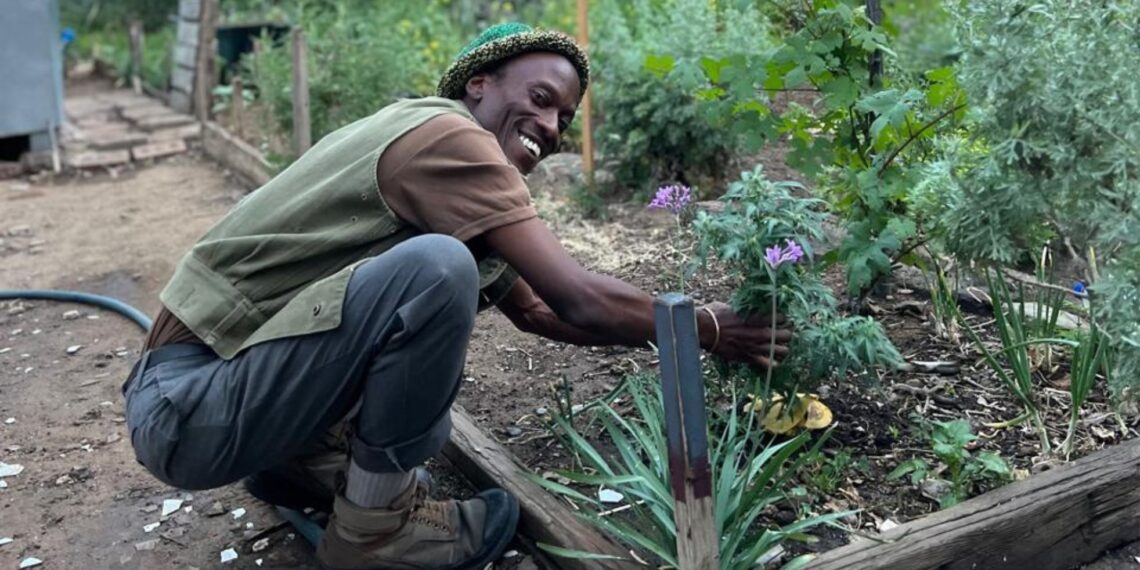
One notable initiative is the Homestead Food Garden (HFG) programme, which has significantly improved food availability in households across Gauteng Province. A study in Tshwane’s Region 7 found that 83% of participants continued cultivating their gardens after receiving support, with food availability peaking in spring and summer seasons. Spinach was the most grown crop, and rainwater harvesting techniques were recommended to sustain production year-round.
These programmes demonstrate that with the right support, households can produce a meaningful portion of their food, reducing dependence on markets and improving resilience to economic shocks.
Related stories
- Seed libraries, food gardens empower Cape communities
- Water-wise food garden grows hope and dignity in Gqeberha
Recommendations for strengthening food security
To address food insecurity and promote sustainable food systems, the following recommendations are proposed:
- Scale up support for household and community-level food production, especially in rural and peri-urban areas.
- Integrate climate-smart agriculture into national food security strategies, leveraging the centre of excellence on climate-smart agriculture.
- Expand social protection and employment programmes to address the economic root causes of food insecurity.
- Promote nutrition-sensitive agriculture to ensure that food access translates into improved health outcomes.
- Empower women in agriculture through targeted support, land access, and training programs.
- Strengthen local food systems by improving market access, infrastructure, and value chains for smallholder farmers.
Conclusion
World Food Day is a call to action. For South Africa, it is a moment to reaffirm the right to food and to invest in sustainable, inclusive, and locally driven solutions to hunger. Furthermore, the path forward lies in bridging the gap between national food availability and household-level access.
Own food production, supported by institutions like the ARC and informed by research, offers a viable solution to enhance resilience, reduce poverty, and ensure that every South African enjoys their constitutional right to food.
ALSO READ: Taste tradition: Chefs lead revival of climate-smart indigenous foods
- Dr Walter Shiba, Dr Siphe Zantsi, Portia Mdwebi and Papi Kubeka are from the Agricultural Research Council (ARC). The views and opinions expressed in this article are those of the author and do not necessarily reflect the views or positions of Food For Mzansi.