Friday, September 4, 2026
SUBSCRIBE
22 GLOBAL MEDIA AWARDS
Food For Mzansi
  • News
  • Changemakers
  • Lifestyle
  • Farmer’s Inside Track
  • Food for Thought
No Result
View All Result
  • News
  • Changemakers
  • Lifestyle
  • Farmer’s Inside Track
  • Food for Thought
No Result
View All Result
Food For Mzansi
No Result
View All Result
in Food & Health, Lifestyle

How long can I keep spices and herbs for?

by Siyabonga Mngoma
26th April 2021
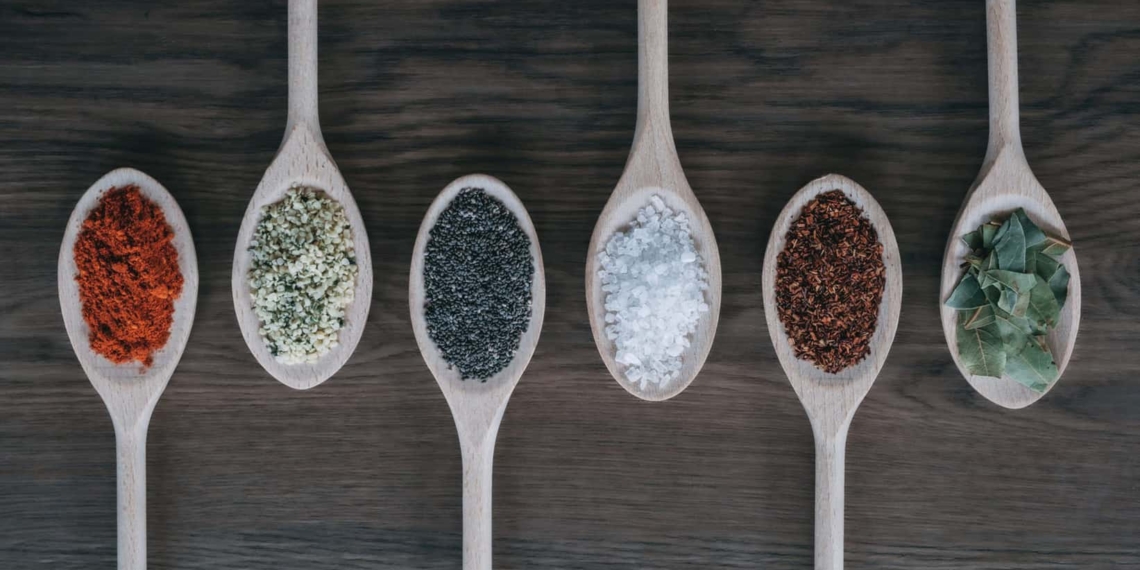
The shelf life for spices can be pretty confusing. When you do doubt the freshness of spices and herbs, all you need to do is take a whiff says Siyabonga Mngoma. Photo: Supplied/Food For Mzansi

The shelf life for spices can be pretty confusing. When you do doubt the freshness of spices and herbs, all you need to do is take a whiff says Siyabonga Mngoma. Photo: Supplied/Food For Mzansi

Share on FacebookShare on TwitterShare on WhatsApp

As the season changes and we get excited about the colder months’ foods and flavours, we often start cleaning out our kitchen cupboards. The tricky part arises when we get to our spices and herbs… How long are they really good for?

Instead of just adding salt, why not add actual flavour instead? Photo: Supplied/ Food For Mzansi

Spices and dried herbs are crucial ingredients for many dishes, adding flavour and taste and transforming what may be boring and bland to delicious meals. Spices are seasonings made from the dried roots, bark or stem of a plant, while herbs are dried or fresh leaves.

The aroma and appearance of a spice or dried herb are what to look for in establishing whether they are still good. Although technically spices don’t spoil, they do lose their potency over time.

We rounded up the estimated shelf life of the most common spices and herbs found in the kitchen:

Dried herbs

Oregano, rosemary, bay leaves, basil and other whole leafy herbs retain their strength for about one to three years. In warmer months herbs are in abundance in food gardens, so summertime would be a good time to replace any old, dried herbs and spices.

Herbs are jam-packed full of nutrients and come with a host of health benefits. When you start using herbs associate with something that interests you.
Herbs are jam-packed full of nutrients and come with a host of health benefits.

Ground or powdered spices

Turmeric, paprika, chilli pepper flakes, ginger, garlic, cumin, cardamom, cinnamon and spice blends keep for approximately two to four years.

Whole or unground spices

Peppercorns, nutmeg, cinnamon sticks, cloves, and those that come in seed form, like fennel, cumin, and mustard, will keep for up to four years. 

The seasoning that is reported to last indefinitely is salt, unless it is itself seasoned with an ingredient that may weaken its potency.

Storage can make all the difference

Make sure you buy good quality spices or dry your own. Drying your own fresh herbs is best – especially for herbal teas in winter months.

Let the sense of smell be your guide in determining the freshness of spices in your cabinet. Photo: Supplied/Food For Mzansi

To maximise the longevity of your spices and dried herbs, storage is important. Keep them away from direct sunlight (avoid windowsills) or heat (no storage above the stove). Cool and dark places are best.

Store your seasoning in airtight containers which protect from moisture. Glass jars are the best as they retain the essential oil content of the spices and herbs that gives flavour. Make sure to label them with the date so that you don’t have to guess how old they are!

If you’re still in doubt, open the jar, pour a bit on your palm and smell and taste the seasoning. Loss of colour is also telling.

READ MORE: Don’t be salty! Teach your taste buds to stay healthy

Siyabonga Mngoma

Siyabonga Mngoma is the owner of Abundance Wholesome Foods. She is passionate about global food systems and promoting organically grown foods as she believes we can tackle lifestyle diseases through diet. See more of her work on www.abundancewholesomefoods.co.za. You can follow her @abundance_wf on Instagram and Twitter.

Tags: healthherbsSpicesWellness
Tobias Doyer, CEO of Grain SA. Photo: Supplied/Grain SA Facebook
News

Rising costs, climate risk push Swartland wheat farmers to the brink

by Staff Reporter
2nd September 2026

Severe drought in the Swartland is threatening South Africa’s national wheat production. With June–August rainfall 79% below average and direct...

Read moreDetails
Sick spuds: No need to panic as SA’s potatoes are banned in Zim

Potato turning point ahead as onions double in price year-on-year

1st September 2026
Early calf care: Key growth targets every cattle farmer must track

Early calf care: Key growth targets every cattle farmer must track

1st September 2026

How to align your farming cycles with long-term financial success

1st September 2026
Strategic support sparks record-breaking growth at WC grape farm

Strategic support sparks record-breaking growth at WC grape farm

1st September 2026

Potato turning point ahead as onions double in price year-on-year

Early calf care: Key growth targets every cattle farmer must track

Stats SA: Food sector income rises 8.4% as takeaways surge

Beyond finance: Making women-led farms bankable

Hemelhuijs tops 700 entries to win SA Preserve Product of the Year

Join Food For Mzansi's WhatsApp channel for the latest updates!

JOIN NOW!
Next Post
Following an avian influenza outbreak in April, all of Mzansi’s neighbouring countries have lifted the ban on exports of live chicken and unprocessed products, except for Lesotho, which has banned exports from Gauteng. Photo: Food For Mzansi

Avian flu: Poultry industry hustling to save exports

THE NEW FACE OF SOUTH AFRICAN AGRICULTURE

With 21 global awards in the first six years of its existence, Food For Mzansi is much more than an agriculture publication. It is a movement, unashamedly saluting the unsung heroes of South African agriculture. We believe in the power of agriculture to promote nation building and social cohesion by telling stories that are often overlooked by broader society.

Gauteng farmers urged to harness massive urban market

Foot-and-mouth crisis hits SA dairy industry with R1-billion loss

Tough times, hardy cattle: Why Mzansi farmers are choosing Nguni

Dragon fruit thrives in KZN valley despite tough national season

Government hikes sugar import price, but industry warns of gap

Chicken is booming, but the real money is in the supply chain

  • Awards & Global Impact
  • Our Story
  • Contact Us
  • Cookie Policy
  • Privacy Policy
  • Copyright

Contact us
Office: +27 21 879 1824
News: info@foodformzansi.co.za
Advertising: sales@foodformzansi.co.za

Contact us
Office: +27 21 879 1824
News: info@foodformzansi.co.za
Advertising: sales@foodformzansi.co.za

  • Awards & Global Impact
  • Our Story
  • Contact Us
  • Cookie Policy
  • Privacy Policy
  • Copyright

Chat Options

I'm Lerato, your AI assistant!
No Result
View All Result
  • News
  • Changemakers
  • Lifestyle
  • Farmer’s Inside Track
  • Food for Thought

Copyright © 2024 Food for Mzansi

This website uses cookies. By continuing to use this website you are giving consent to cookies being used. Visit our Privacy and Cookie Policy.