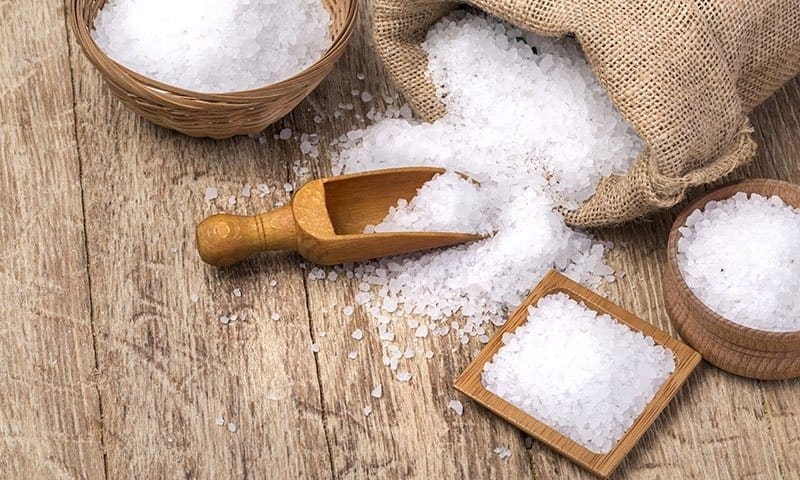
 Ever noticed how some people simply add salt to food without even having tasted it? Salt was in use long before the beginning of recorded history. In fact, it is rumoured to have been valuable enough to be used as currency in Ancient Greece and Rome when paying soldier wages – hence the saying, “Worth your salt.”
While salt was labelled a can’t-get-enough-of flavour and food preservation ingredient back in the day, we thankfully now know to tread lightly with this popular food ingredient.
Why is salt important in our diet?
Salt forms an important component of our blood and the salts that we require from our diets to supply our needs include potassium and sodium. A lack of salt from our diets would leave us feeling very tired, prone to muscle cramps and may also increase the risk of irregular heart rate.
Fruits and vegetables contain natural salts, especially potassium and sodium, which supply our bodies with the healthy amounts of salt our bodies need.
What happens when you consume too much salt?

Our diets are rich in salt, especially from processed foods that contain added salt.
“Table salt” is also known as sodium chloride, which is found in high concentrations not only where we add it to our food, but also in processed foods, as it is the most popular flavour enhancer.
Even foods such as bread and tinned peas contain added salt, which often goes unnoticed. Up to 80% of our salt intake is from processed foods, where salt is added during the manufacturing – yet, we still sometimes feel the need to add additional salt.
Due to the high content of salt in our diets, we ingest a lot more salt than what we need and an excess of salt can be detrimental to our health.
- A high salt intake is known to increase blood pressure, which can be dangerous in cases of existing hypertension (high blood pressure), as it increases the risk of heart attacks and strokes. According to The Heart and Stroke Foundation of South Africa 45% of adults in Mzansi have high blood pressure, 225 South Africans are killed by heart disease every day, and 10 South Africans suffer a stroke every hour.
- Excess salt intake is also known to increase the risk of osteoporosis, the bone disease that women are prone to get after menopause. That happens because excessive salt intakes result makes you lose more calcium via your urine. Calcium is the main structural mineral found in our bones and teeth.
How much is too much salt?
Even though dietary guidelines allow for a salt intake of about 5 grams per day, the daily salt intake of South Africans seems to average almost 8-9 grams per day. Most people are unaware of their high intake of salt, let alone the damaging effects it has on their health. No wonder salt has been referred to as “the slow, silent killer”.
Watch out for these high salt foods:
Top 10 High Salt Foods |
Low Salt Alternative |
| 1. Salted snacks: crisps, biscuits, popcorn, salted crackers | Salt free crackers |
| 2. Smoked, processed and cured meats | Fresh meat products flavoured with fresh herbs and spices |
| 3. Pickled fish, anchovies, tuna and sardines | Fresh fish, flavoured with fresh herbs and spices |
| 4. Meat extracts and stock cubes / powders | Home-made stocks and sauces |
| 5. Pickled gherkins, onions, olives, capers, etc | Fresh salad ingredients |
| 6. Salad dressings | Olive oil & lemon juice as base, flavoured with any of these ingredients: lemon zest, fresh herbs, mustard powder, spices, black pepper, etc. |
| 7. Sauces: Tomato sauce, chutney, mustard and most soy sauces | Reduced sodium sauces (read product labels to identify those with low sodium levels) |
| 8. Pre-packaged and frozen meals | Fresh foods and freshly prepared meals |
| 9. Tinned / powdered soup | Homemade soup, flavoured with herbs and spices, which can also be frozen with ease. |
| 10. Cheese, especially feta and cheddar | Low salt cheeses such as ricotta and cottage cheese. |
Trust your taste buds!
Basically any food that tastes salty, contains salt, in some or other form. Unfortunately we cannot always rely on food labels to tell us how much salt a food item contains. The obvious culprits are crisps, savoury snacks, biltong, sauces, mayonnaise, salad dressings, instant soups, soup powders, etc.

Even so-called “healthy foods” such as olives, feta cheese, pickled foods (like gherkins) and sushi contains lots of salt. Therefore, trust your taste buds and try to restrict regular intake of very salty foods.
Did you know that your taste perception for salt can be manipulated? By reducing your salt intake gradually (eating fewer salty foods and adding less salt onto your food), you can condition your taste buds, so that you “need” less salt for the same taste experience.
That may explain why people that hardly add salt to their food find many processed foods too salty, or those that eat lots of salty foods cannot seem to add enough salt to their food and find most cooked foods bland and tasteless.
Alternative ways to add flavour to food
We add salt to food to bring out the flavour. Instead of adding salt, why not add actual flavour instead? It is quite easy by simply incorporating these flavourful ingredients:
- fresh or dried herbs (parsley, garlic, ginger, coriander, basil, etc.)
- spices (black pepper, cumin, coriander and mustard)
- lemon juice