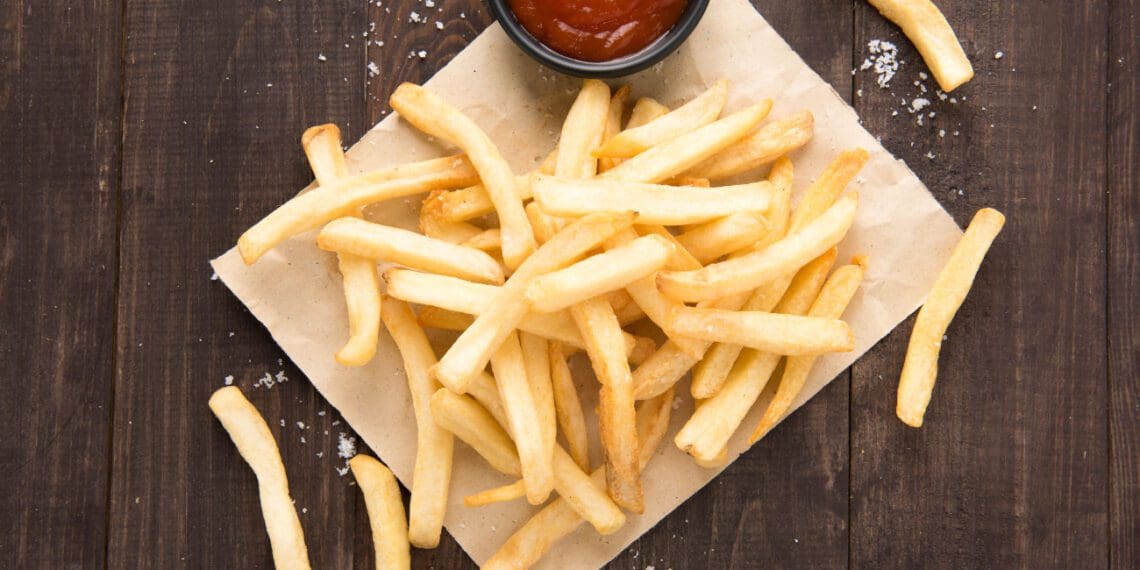
A South African import-export business has responded to claims that the country has enough capacity to fulfil the local demand for potato chips, or French fries, warning that frozen fries are already in short supply.

In July this year, South Africa’s International Trade Administration Commission (ITAC) imposed heavy new import tariffs on frozen chips from Belgium of up to 23.06% and up to 104.52% from the Netherlands. German suppliers have been hardest hit with new duties of 181.05%.
Complaints of the impact it would have on the local fry supply, was met by a response from local potato producers and fast food chains that South Africa has enough capacity to supply its own demand.
But the debate isn’t over yet. According to Fred Hume, managing director of Hume International, local fry producers have been issuing communications to warn clients of impending shortages since May.
“I’d like to firstly clear up any confusion and make a clear distinction between fresh potatoes and products such as frozen French fries,” he says in a press statement. “Potatoes must be processed to make French fries, which is the end product that we import to supplement our South African-made supplies for clients,” he notes.
‘It’s about processing capacity’
“Despite having received the benefit of tariff protections for the better part of a decade, there has not been sufficient investment towards expanding production capacity and ensuring that there is enough supply of frozen French fries for the market’s needs,” says Hume, “which is why so many companies have been forced to rely on European producers to supplement their stock.”
He believes that in many cases, clients are now paying up to 50% more for frozen French fries from Europe to secure steady supply. “This is why we believe that there needs to be greater transparency and industry engagements in the decision-making process for tariffs, as there is a clear-cut case that anti-dumping duties are being calculated incorrectly in a grossly undersupplied market without consideration for all the facts.”
Imposing sudden, sharp tariff hikes such as these, risks placing consumers under even more pressure, especially at a time when food prices are already under pressure because of rising input costs like fuel and fertiliser, he warns.
‘Going local is good but it needs planning’
“In the short term, we strongly feel that government should consider lifting its anti-dumping duties and engage more openly with importers and businesses to discuss constructive solutions to South Africa’s supply chain constraints.”
Hume feels that the ideal would indeed be for South Africa to have the majority of product supplied locally, but the industry should first commit to expanding its capacity over the next few years.
“Not only would this shorten our supply chains for local clients, but as French fry distributors, we also supply to several other countries across Africa, and we would welcome the opportunity to export more South African-made frozen fries. This would be the ultimate win-win.”
ALSO READ: Cooking oil shortage: ‘Time to look at alternatives’
Sign up for Mzansi Today: Your daily take on the news and happenings from the agriculture value chain.