Traditional farming methods won’t attract young people for very much longer. Agriculture is changing and South Africa’s food producers are ageing, paving the way for young people to be at the heart of hydroponics initiatives in the country.
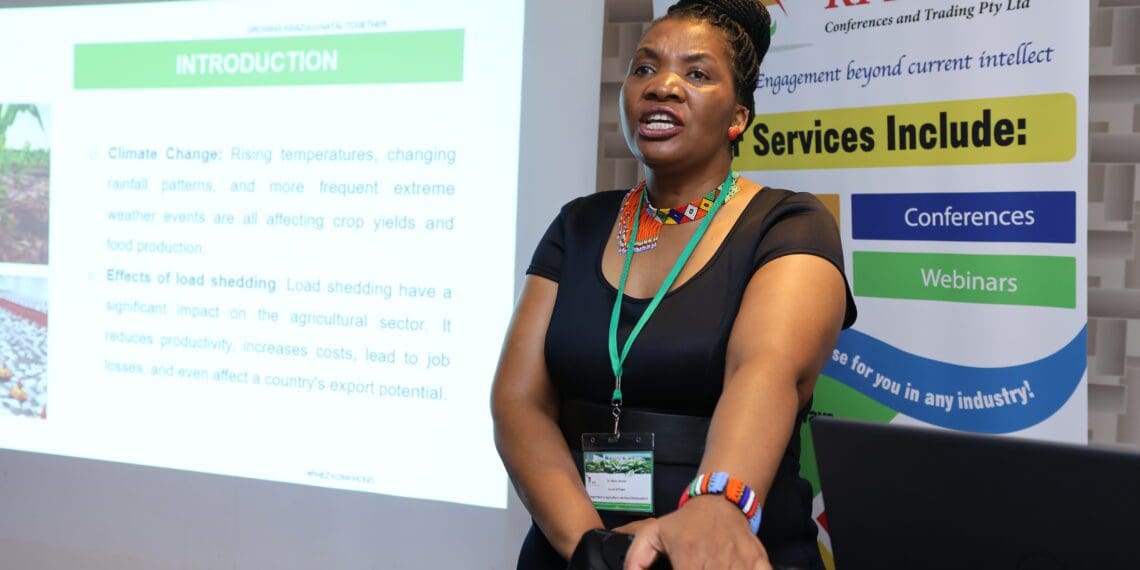
These were the words of Dr Fikile Qwabe, acting chief director of agriculture research development and training institutes at the department of agriculture in KwaZulu-Natal.
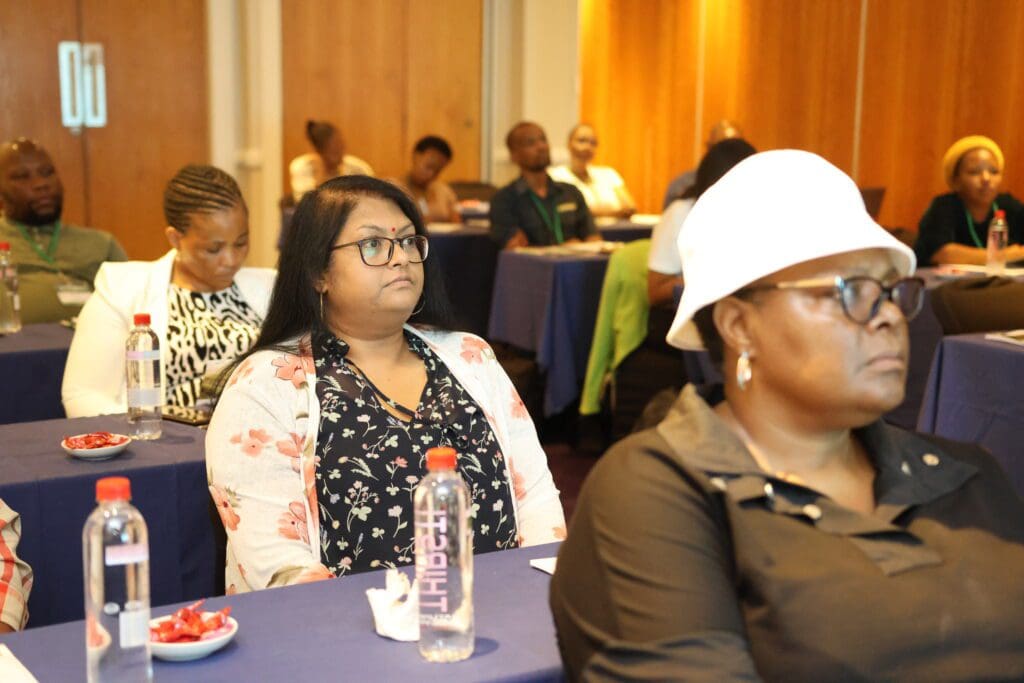
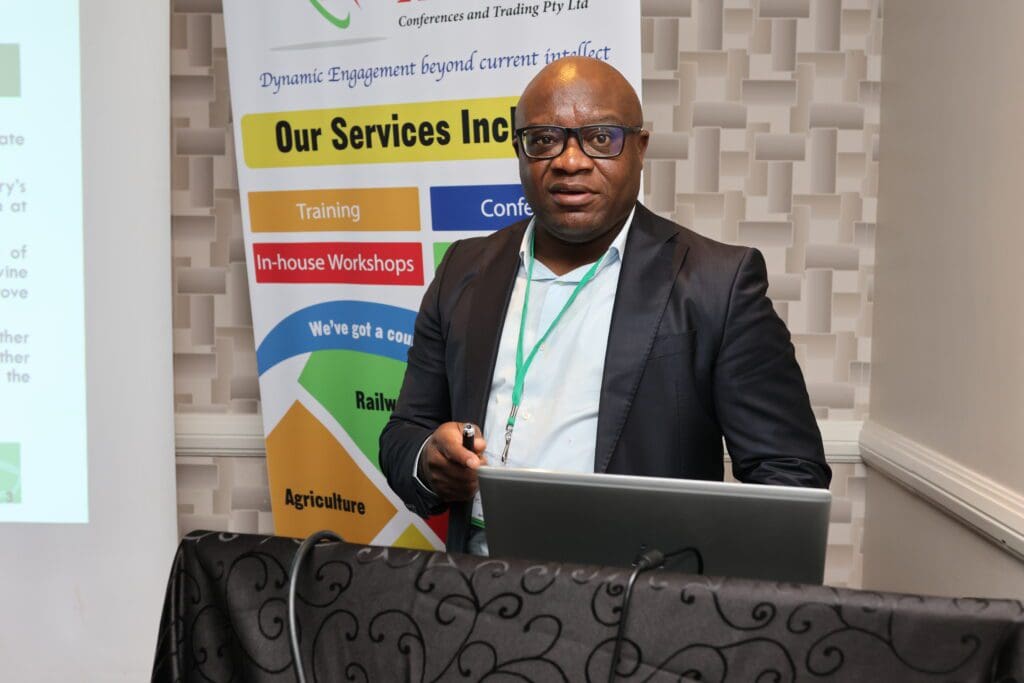
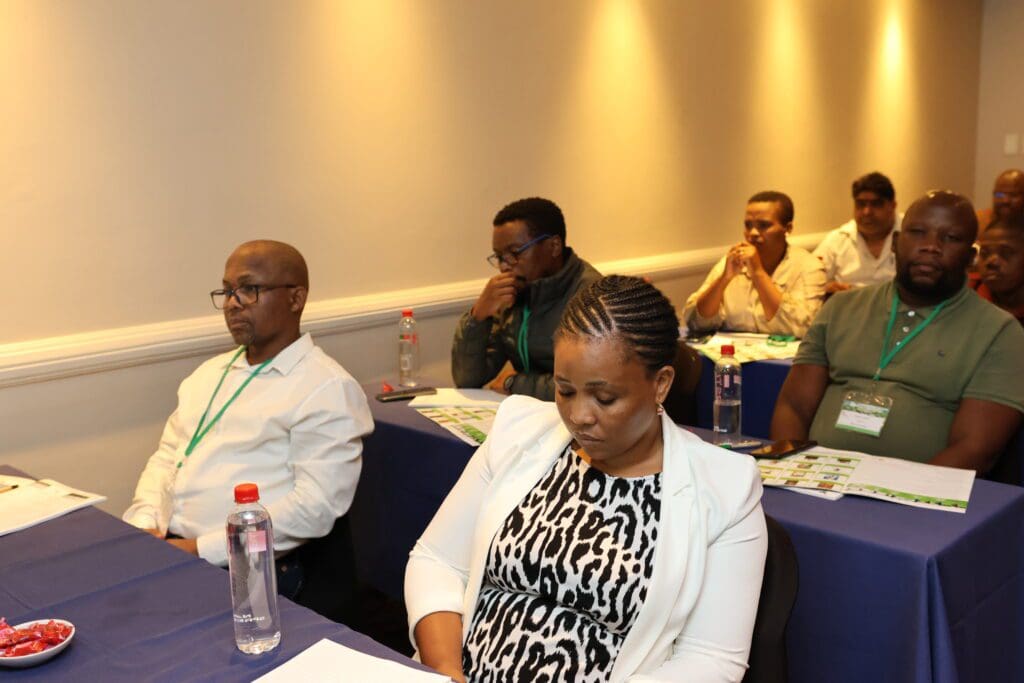
Qwabe was delivering a keynote speech on day one of the two-day hydroponics conference organised by KPR Conference and Trading Pty Ltd. The conference is being hosted under the theme “Hydroponics farming the way forward for sustainability and food security for profitability 2023”.
According to Qwabe, hydroponics as a farming method is beneficial to the province as it does not need large patches of land or a lot of water to start operations.
“We have ageing farmers, the only way to woo young farmers is for them to go into hydroponics farming.
“There has been a growing interest in agribusiness and entrepreneurship among young people in KwaZulu-Natal, but more awareness needs to be done to bring the youth on board,” she told attendees.
Farming is changing
Qwabe told a room filled with some of the country’s top hydroponics farming experts that while the government was availing land, markets, training, and skills development, access to technology and innovation should not be forgotten.
“These are the times of drone farming where young people like to play around, it is the place where the agricultural institutions should also invest so that agriculture remains relevant for the youth,” she said.
Qwabe explained that climate change is not going anywhere which is why alternative methods of producing food must be explored.
“We need to promote sustainable agricultural practices that can help mitigate the impact of natural disasters and climate change, and hydroponics is definitely one of those practices.”

Get back to the basics
Agribusiness Development Agency acting chief executive, Siyabonga Mazibuko said horticulture is one of the projects they are funding. However, it needs to include commercial horticulture.
“We are looking at projects that [can have] economic spinoffs and speed up economic development in the whole [of KZN], we are looking into hydroponics in its whole value chain,” he said.
Meanwhile, Hygrotech’s Dr Martin Maboko told delegates that it is important to get the basics right as it would ensure that their produce is healthy.
“As a farmer who is in hydroponics, you will need to get your seeds from a reliable supply as the seeds play a critical role in the life of the plant.
“Farmers also need to look at the temperature in which they operate their produce, it needs to be in a controlled environment. We know that heat stress does have an impact on your produce,” he said.
The impact of water shortages
Environmental advisor, Dr Anthony Turton, reminded delegates that water was the foundation of any farming activity, and needed to be preserved.
“Over 63% of our national water resources are allocated to food production, this goes to show how important water is [for] your business.
“However, as the population grows, we find that our sewage works are causing water quality problems for food security, as the sewage ends up in dams where farmers get their water,” he explained.
According to Turton, Mzansi is struggling on several fronts, such as water and power cuts, and food security.
Mzansi at a crossroads
“We are at the crossing path because we are already importing grain which we used to export. Our population is growing and we need to balance all those three things. If not, we will import them.
Turton added that at a national level, by 2025 the total water resource will be in deficit. “As a farmer, you need to know how to use your water, whether it’s hydroponics or traditional.”
READ NEXT: Water rights: Here’s what farmers should know know
Sign up for Mzansi Today: Your daily take on the news and happenings from the agriculture value chain.