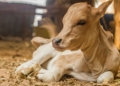
Karoo lamb has finally obtained Geographical Indication status, unlocking substantial prospects in the export market while also securing its safeguard in these international trade arenas.
The massive win for Karoo-bred lamb was announced in the Government Gazette of the department of agriculture, land reform and rural development.
Their hard work since 2006 has paid off, said Charles Erasmus, executive manager at the Karoo Lamb Consortium. In an interview with Food For Mzansi, he shares more on how the registration protects the integrity and reputation of Karoo lamb, who can use the Karoo mark going forward and what this means from an export front.
Octavia Avesca Spandiel: Congrats on the Geographical Indication (GI) status for the Karoo region. With Karoo lamb now protected, what benefits does this offer local producers?
Charles Erasmus: The name “Karoo lamb” has unfortunately been misused and falsely attributed to the lamb from other regions. With this GI status, we now have legal safeguards in place to ensure that only lamb produced in our unique Karoo region can bear the Karoo lamb name. This registration protects the integrity and the reputation and will ensure that the financial and reputational benefits return to the Karoo region.
How does the Karoo Development Foundation’s (KDF) protection of the “Karoo lamb” name impact the meat value chain in the region and nationally?

The initial work started in 2006 by KDF and Meat of Origin Karoo. Through engagements with farmers and abattoirs, it was finally resolved to establish a mechanism to protect Karoo lamb. But back then, in the absence of specific GI regulations, the group utilised a certification mark as a mechanism for protection. But now with the new GI regulations of 2019 which were amended in 2023, it was possible to register the GI protection for Karoo lamb.
All role players in the chain will have to comply with the rules. But at the same time, when they comply, they have protection against other unscrupulous traders who misuse their name and reputation. This will also enable the state to act against them with force. So in essence, the protection comes with value creation, protection of identity, and reputation, which builds value and better returns.
So who can use this mark going forward, all the producers in the region?
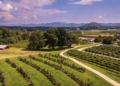
Yes, everyone who is in the Karoo and who complies with the rules. The Karoo is about 19.3 million hectares, but the geographical connection is pivotal in preserving the reputation and authenticity of the product. The lamb must graze on these very specific Karoo shrubs. But producers, retailers, and abattoirs must all be listed and will have to obtain permission to use the name Karoo lamb.
So, they can either go through a lengthy process with the department of agriculture and pay for their audit costs, while also having to invest significant capital to set up traceability systems. [Alternatively], they can become a member of the Karoo Lamb Consortium. This consortium will complete the verification and coordinate audits on behalf of the members at a fraction of the cost.
There are specifications for certified Karoo lamb. What does that GI mark guarantee?
The GI mark guarantees that the lamb meets specific criteria and standards set for production. The GI specifically guarantees the origin, authenticity, identity, and unique taste of the Karoo lamb that we all love so much. Without the official GI logo, you cannot call it Karoo lamb. These criteria include factors such as the lamb’s diet, breeding, and the natural conditions in which the lambs are raised.
Does this open up export opportunities?
Yes, the protection status does open significant opportunities for the export market, and it also protects these export markets. The only dilemma is now to negotiate with the European Union (EU) and the USA on the existing ban on red meat imports from South Africa, mainly due to foot-and-mouth disease, specifically, from the department’s point of view, they would need to increase their standards and improve standards regarding veterinary processes, and traceability.
It’s something that the state submits to the EU. But it also has to make sense. We would first have to get our ducks in a row to improve these veterinary processes. We are working hard on a new traceability system, which is done on a satellite mapping system. And further down the line, when Karoo lamb gains entry into these international markets, it can attract consumers who appreciate the authenticity and quality associated with the Karoo region. This offers a promising avenue for the expansion of Karoo lamb beyond our borders and into global markets.
How significant is the protection status to the future of Karoo lamb?
It’s a major achievement. The first registration under the GI regulations of the DALRD, department of agriculture, land reform and rural development, and the second GI in South Africa after rooibos. The protection status conferred by the GI is of immense significance for the future of Karoo lamb. It not only safeguards our heritage but also paves the way for broader recognition and market potential.


Sign up for Mzansi Today: Your daily take on the news and happenings from the agriculture value chain.