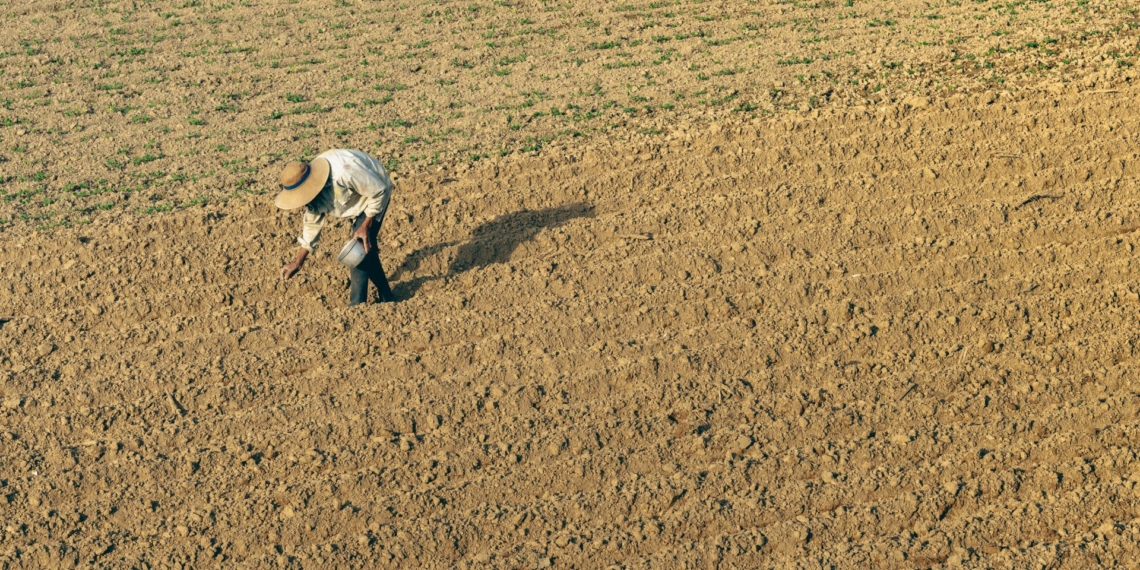
The growing unemployment rate in the country continues to hurt the economy, with sectors such as agriculture also feeling the pinch through job losses and inability to retain workers.
According to Stats SA, the sectors with the highest job cuts during the second quarter of 2026 are agriculture and manufacturing, with 15 000 each, followed by mining and manufacturing.
High input costs, funding strain small-scale farmers
Thulani Magida, a crop farmer from the Eastern Cape, said many factors contribute to the shedding of agricultural jobs.
“The war in Iran has a huge impact on the profitability of businesses and affects the outlook of farmers. Fuel and fertiliser prices have been high for a full season now, and therefore, the areas planted might have shrunk,” he said.
Magida said it is extremely difficult for farmers like himself to provide jobs on the farm due to the state of the South African economy.
“Small and communal businesses like ours struggle to keep up with the cost of labour because we don’t get access to finance. We fund our farming businesses with our own cash flow because there are no funding instruments that talk to an emerging farmer in communal areas.
“As a small business in communal areas, we prioritise labour-intensive crops that are financially viable, of course, but we simply struggle to get funding from both developmental funding institutions and commercial banks,” he said.
Young agricultural graduates struggle to enter workforce
Meanwhile, Mamello Chobokoane, treasurer general of the Agriculture Graduate and Farmers Alliance of South Africa (Agfasa), expressed her concern about unemployment and the competition for jobs young agricultural graduates face amid increasing job losses.
“This is deeply concerning because many graduates hold similar qualifications and are competing for the same limited entry-level positions, particularly agricultural advisory posts.
“What is even more concerning is that some entry-level advisory positions now require an NQF Level 8 qualification, while senior positions can require only a diploma,” she said.
Related stories
- Tulbagh cannery closure threatens thousands of jobs, fruit growers
- Agriculture adds 960 000 jobs as strong harvests fuel growth
- BFAP outlook: Declining prices, high costs test SA farming sector
- Innovation key to keeping SA table grapes globally competitive
Chobokoane further explained how the government can stabilise agricultural jobs. She said graduates who already have access to the land should be given support to start production, and those who are doing internships should be given hope of permanent employment.
“Government should ensure that graduates who perform well during internships have a genuine opportunity to be absorbed. There is hope for our graduates, but that hope depends on creating a fair agricultural sector where qualifications, competence and commitment, not political connections, determine who gets an opportunity,’’ she said.
Economist highlights resilience ahead of summer season
Thabile Nkunjana, agricultural economist from the National Agricultural Marketing Council (NAMC), shared some insights about the agricultural sector’s decline based on his analysis of 2026 second quarter Statistics SA recent release.
“According to Statistics South Africa data, employment in South Africa’s agricultural sector fell by almost 16 000 jobs from 960 000 in the first quarter to 944 000 in the second quarter of 2026. Compared to the first quarter, this was a 1.6% decrease.
“Even though the country’s general unemployment rate has increased, employment figures for the agricultural sector are still positive. However, given the sector’s job targets, others are concerned about a drop in employment during a time when employment often increases owing to activities from different industries, such as citrus,’’ he said.
Nkunjana said all is not lost in the sector, and despite the disheartening figures, the sector is still resilient.
“By industries, from the grains and oilseeds, there are many activities going on as farmers will begin summer crop preparation in October or so.
“Despite a number of encouraging developments, such as the resumption of exports to some markets, the livestock industries continue to face pressure and employment. This is likely to remain limited until things get really better,” he said.
READ NEXT: CGA calls for public-private collaboration to boost rural economies