For Mzansi farmers, energy is no longer simply a cost of doing business. It is increasingly becoming a critical part of how farms remain productive, competitive and resilient.
That is one of the key lessons emerging from Huawei Digital Power South Africa’s engagement with Gauteng’s agricultural sector, according to David Durie, agriculture partner specialist at Huawei Digital Power South Africa.
“Energy is no longer simply an operating expense for farmers; it is becoming a strategic component of agricultural productivity and resilience,” Durie said.
Modern agricultural operations rely heavily on dependable electricity. Irrigation systems, refrigeration, cold storage, processing facilities and water management infrastructure all require consistent power. When electricity becomes expensive or unreliable, the impact can extend well beyond the monthly energy bill.
For farmers, a power interruption at the wrong time can mean disrupted irrigation, compromised produce, delayed processing or losses in cold storage.
Durie believes renewable energy, combined with energy management and battery storage, can help farmers address these challenges as part of a broader resilience strategy.
Related stories
- Smart farming: 8 practical tips to adopt agritech today
- Faster farm technology rollout could boost SA farmer profits
- Farmers could save up to 54% by switching to solar
- Empowering farmers to tackle climate threats with agritech
Solar photovoltaic (PV) systems can reduce reliance on grid electricity by generating power on site, while battery energy storage allows excess energy to be stored and used when demand is higher, or grid supply is interrupted.
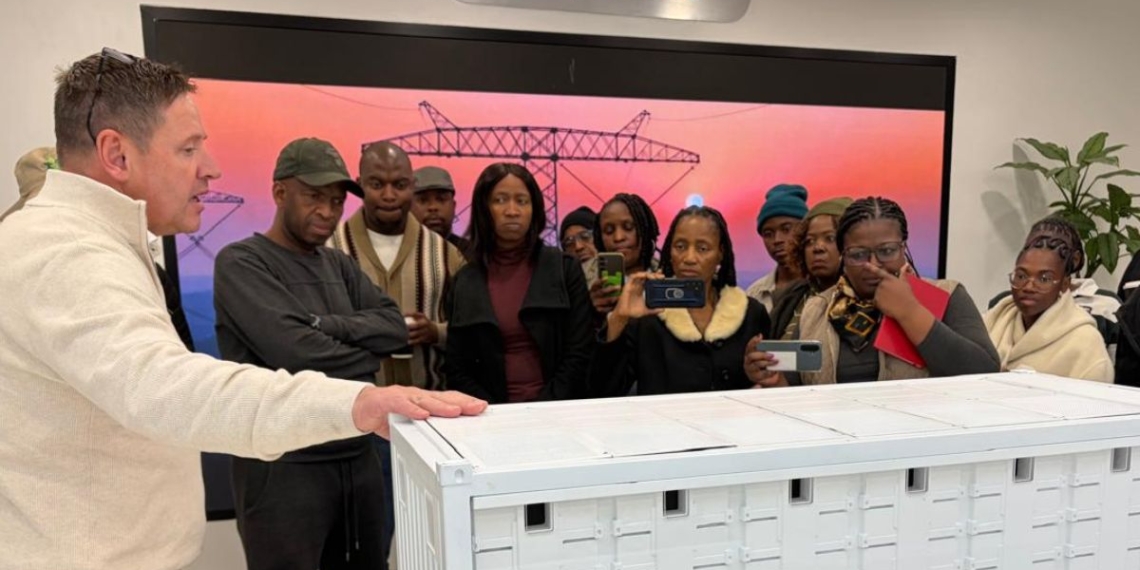
The approach was showcased during Huawei’s Farmer Energy Innovation Day with AgriCulture Gauteng in July this year. Farmers had the opportunity to engage directly with Huawei technology at its Innovation Centre and explore how smart energy solutions could be applied to agricultural operations.
The response, Durie added, highlighted a growing interest among farmers in technology that can help them manage energy challenges.
The opportunity, however, goes beyond simply putting solar panels on a farm.
Beyond solar: building smarter energy systems
An integrated energy solution can bring together solar PV, advanced inverters, battery storage and energy management software. This allows businesses to make more informed decisions about when energy is generated, stored and consumed.
During the day, solar power can be used directly to run agricultural operations, reducing the amount of electricity purchased from the grid. Where excess energy is available, it can be stored in batteries and used later.
This becomes particularly valuable during expensive peak electricity periods, while battery storage can also provide backup power for critical loads when grid supply is disrupted.

For agricultural businesses, that flexibility can make a significant difference.
“Irrigation, cold storage, refrigeration and processing” are among the operations where an electricity interruption can have consequences far beyond the immediate energy cost, Durie explained.
The objective, therefore, is not simply to generate renewable energy. It is to create what Durie describes as a smarter and more resilient energy ecosystem, one that helps farmers manage costs while protecting the continuity of their businesses.
Looking further ahead, the convergence of renewable energy, battery storage and digital technologies could fundamentally reshape how farms manage resources.
Solar PV and batteries will remain important tools for improving energy resilience, but intelligent energy management can add another layer by helping farmers understand and optimise their energy use.
Beyond the energy system itself, Durie points to artificial intelligence, the Internet of Things, digital monitoring and automation as technologies with the potential to improve productivity and resource efficiency across the agricultural value chain.
The transition will not happen through technology alone, however.
Durie stressed the importance of collaboration between farmers, agricultural organisations, financial institutions, technology companies, engineering, procurement and construction partners, and government.
Farmers need more than access to technology. They need practical information, appropriate financing models and trusted partners who understand the realities of agricultural businesses.
At the same time, technology companies need to ensure that the solutions they develop address genuine operational challenges rather than simply introducing technology for its own sake.
This is where partnerships such as Huawei’s engagement with the agricultural sector become important. Demonstrations, knowledge sharing and practical projects can help bridge the gap between technological innovation and the day-to-day realities of farming.
For Durie, bringing the agricultural and technology sectors closer together is ultimately about enabling farmers to make informed decisions about investments that can strengthen their businesses.
“The future of agriculture will increasingly be shaped by the convergence of renewable energy, energy storage, digitalisation, artificial intelligence and smart infrastructure.”
David Durie
South Africa’s agricultural sector faces growing pressure to produce more efficiently while managing rising input costs, resource constraints and energy uncertainty. Smart energy technologies cannot solve every challenge, but they can give farmers greater control over one of the most important inputs underpinning modern agriculture.
The bigger opportunity lies in combining renewable energy with intelligent management, storage and digital technologies to build farms that are not only more sustainable, but also more productive, resilient and competitive.
Ultimately, Durie said, the goal is to help build “a more productive, resilient, sustainable and competitive agricultural sector”.
READ NEXT: Why food recalls hit SA food SMEs the hardest