Addressing the recent Extension Officers Summit in Durban, KwaZulu-Natal MEC for agriculture and rural development, Thembeni kaMadlopha-Mthethwa, emphasised that building sustainable farming practices resilient to natural disasters requires the effective integration of science and technology, especially as the province continues to face extreme weather conditions.
The theme of the summit, “Transforming agricultural extension for sustainability, climate-smart and resilient rural development”, is a clarion call for the industry to adopt science-based methods and technological innovations to enhance the farming sector through the Fourth Industrial Revolution (4IR).
According to the MEC, the purpose of the programme was to increase the capacity of extension services, improve support, including the quality of extension and advisory services, to optimise agricultural production and farmer development in KwaZulu-Natal.
Improving extension services
“The productivity and sustainability of the sector depends on the quality, efficiency and effectiveness of extension and advisory services, in an attempt to change corporate image, renew and reposition extension and advisory services,” she said.

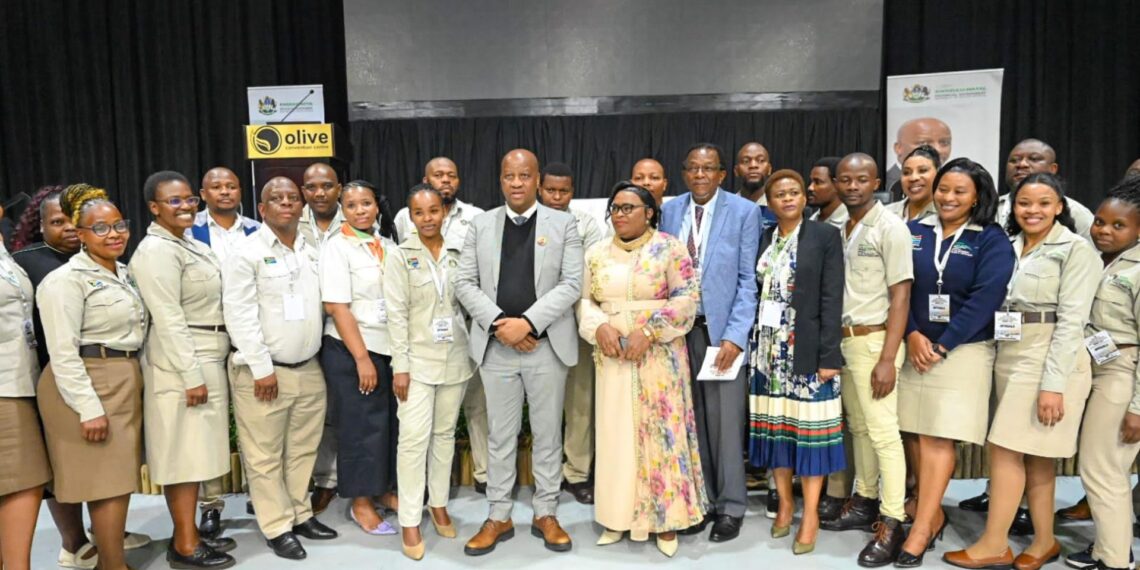
MEC Thembeni kaMadlopha-Mthethwa and KwaZulu-Natal premier Thamsanqa Ntuli. Photo: Supplied/Food For Mzansi
The summit featured experts in various fields of climate change who explored innovative, sustainable and climate-resilient approaches to agricultural operations and rural development.
Related stories
- Post-budget dialogue sets fresh course for KZN agriculture
- KZN MEC honours trailblazers at Influential Women & Artes Awards
- KZN dairy farmers ramp up vaccinations to fight FMD
- KZN MEC calls on churches to start food gardens to fight hunger
For the 2025/2026 financial year, the department has planned activities aligned with the outcome of the Human Sciences Research Council’s Food Security Status report, which indicated that 17% of households in KwaZulu-Natal experience severe food insecurity, with 4.3% suffering from severe hunger.
Investing in food production
“In terms of budget allocation for these districts, we have put aside over R36 million for multi-planting and household food production, communal investment, and livestock intervention programmes. The total provincial budget for all the districts on the above stands at R86 million.
“We have made significant progress in cultivating hectares through our mechanisation programme, with these districts utilising 3 833 hectares, against the province’s 8 097, and 2 663 households benefiting in the 2024/2025 financial year. This year, these districts will plant 2 700 hectares,” KaMadlopha-Mthethwa said.

KaMadlopha-Mthethwa stated that she was pleased that they have been stocked with medication and that the repairing and construction of 66 dip tanks, boreholes and hydroponics tunnels is underway.
KwaZulu-Natal premier Thamsanqa Ntuli reaffirmed his dedication to realising a vision of a province characterised by lush green vegetables and crops, as well as disease-free communal and commercial livestock. He said KZN agriculture is the cornerstone of food security, a vital component of rural livelihoods, and a key driver of the province’s inclusive growth agenda.
“I aspire to see KwaZulu-Natal claiming position number one as a contributor to the GDP, with the agricultural sector playing a bigger role. Our vision for KwaZulu-Natal’s agricultural future is anchored on sustainability, inclusivity, and global competitiveness.
“Securing the resilience of livestock through decisive disease management; expanding high-value horticulture and crop exports; unlocking smallholder productivity with tailored finance, infrastructure, and extension support; embedding environmental sustainability through water-efficient irrigation and climate-smart practices; and ensuring that the benefits of agricultural growth are equitably shared across all communities,” he said.
READ NEXT: R1 billion down the drain as port delays cripple fruit exporters