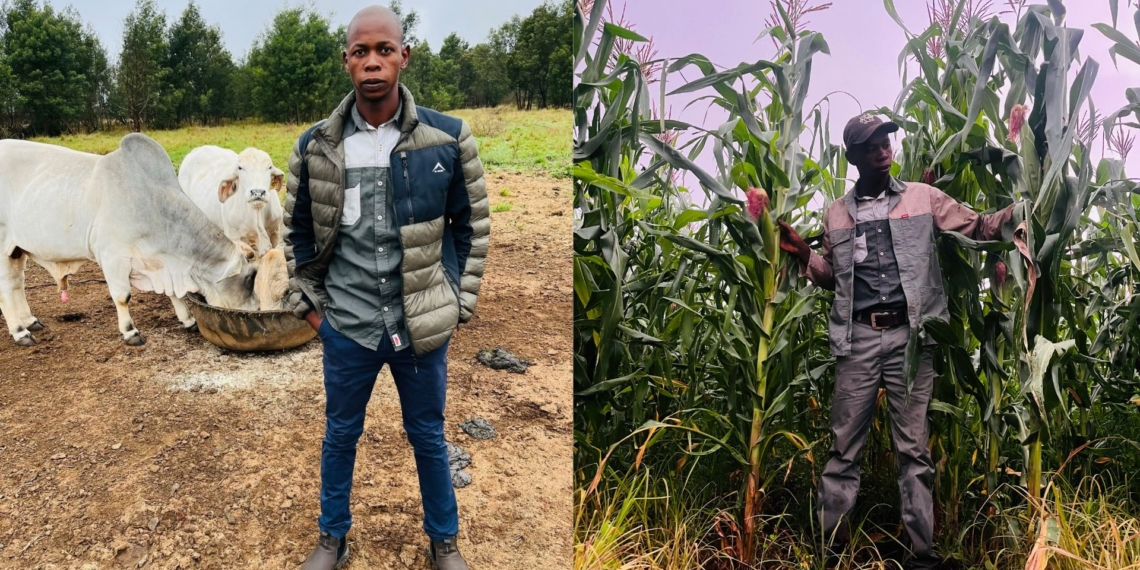
Some farmers inherit land. Others inherit the reason or love to farm. For Sakhile Zondo, that reason came from watching his father work the land in Khambi, Vryheid, in northern KwaZulu-Natal.
Zondo’s father’s cattle, maize and the tractor he used on the farm became part of his childhood and, over time, shaped the future he wanted for himself.
That is the story behind Legacy Farm.
A farm passed to the next generation
When Zondo established Legacy Farm in 2020, he was not starting from zero. His father had already spent 15 years farming, mainly keeping livestock and planting yellow maize to feed his cattle.
Zondo learned from what he saw, and his father’s hard work only strengthened his desire to have a farm of his own.
Although he had always been interested in environmental studies and agriculture, he studied public administration at Mangosuthu University of Technology and graduated in 2019.
“I have always been interested in environmental studies, and I had aspirations to pursue a career in the field. I could not get a space in the studies I wanted, so I ended up studying public administration, which left a big void in me, even after graduation.”
After university, Zondo did not look for a job. Instead, he worked out a business structure and decided to farm full time. That became Legacy Farm, which now operates on 12 hectares of a 27-hectare property.
Related stories
- Goldstone’s act of kindness turns into a farming passion
- Goats, gumboots & grit: Zanele grows hope in Hammanskraal
- Limpopo farmer finds peace, purpose in the harvest
- Lulutho’s leap: From three little pigs to thriving fields
Farming with limited water
Learning the ropes of farming also meant understanding why his father chose to plant maize instead of other crops. Zondo realised that water was one of the biggest challenges facing farmers in Vryheid.
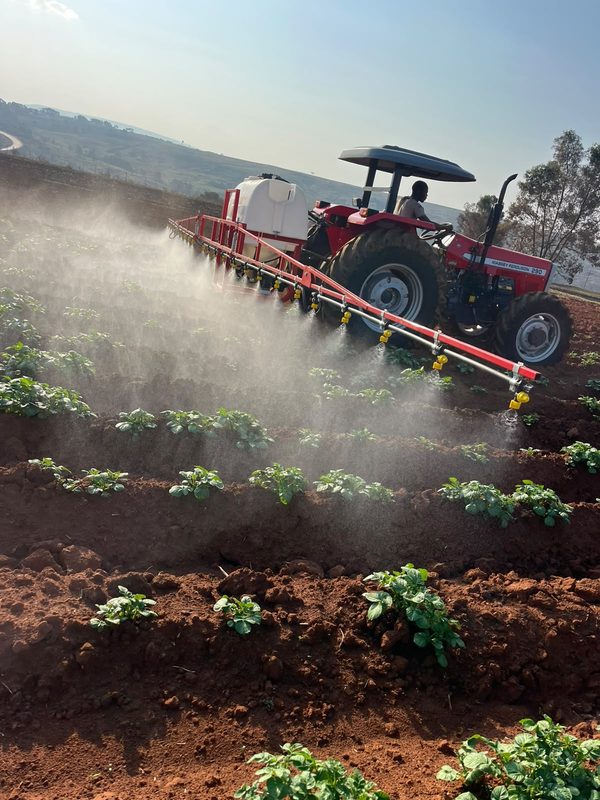
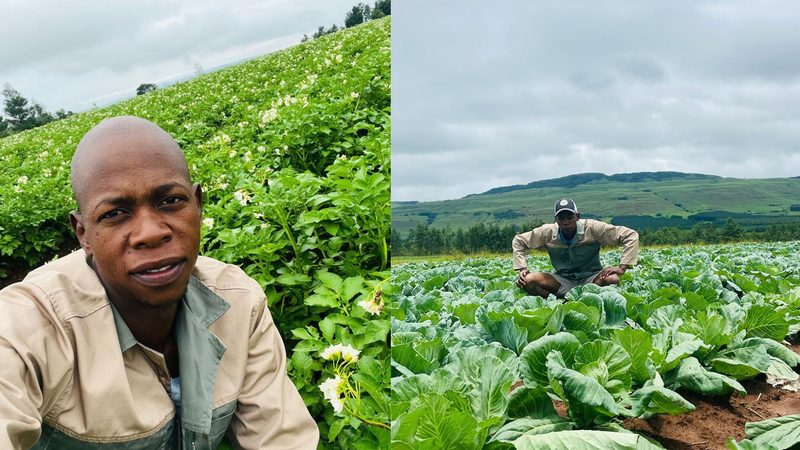
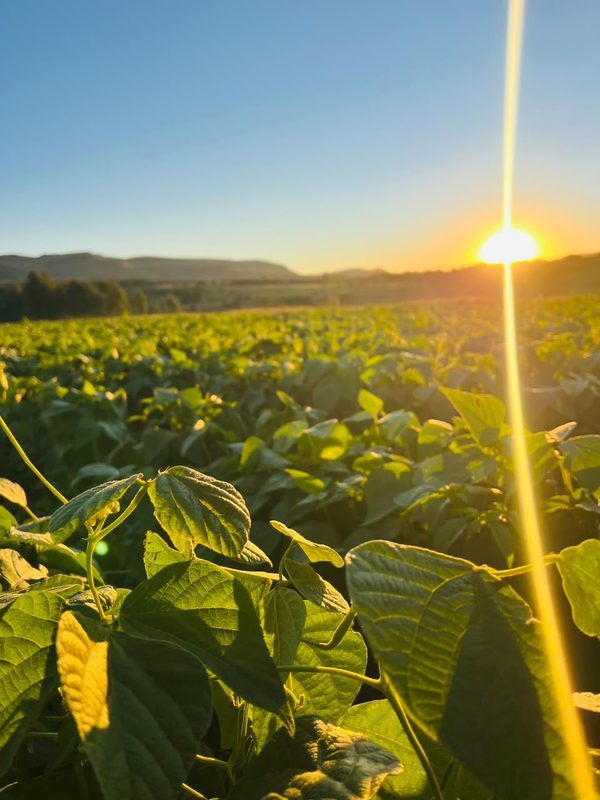
Today, he grows dry beans, maize, potatoes, cabbages, butternut and green pepper, but access to water continues to limit the growth of his operation.
After one harvest, Zondo used the money he had accumulated to drill a borehole at a cost of R76 000, only to find that it did not provide sufficient water. The following year, he tried again and was able to get enough water to start planting cabbages and other crops.
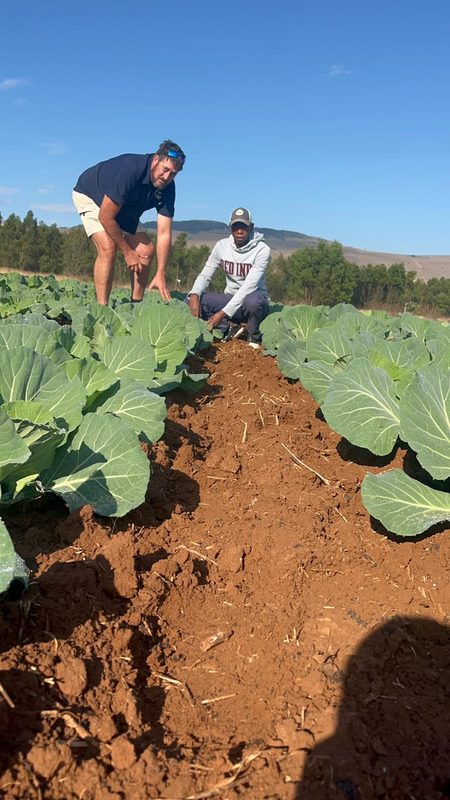
Irrigation, however, comes with its own costs. On the advice of his mentor, Goldin Smith, Zondo bought a Revott pump.
“My mentor advised me to get a Revott pump that you plug into the tractor. I bought it, but diesel became a big problem.”
As the operation has grown, Zondo says one of his milestones has been creating jobs. He now has four workers on the farm and brings in another six during the seasonal periods.
Chasing bigger markets
In late October 2024, he also joined a Grain SA farmer group, which he describes as a collective where farmers help one another learn new skills and unlearn some of the things they may have been doing wrong.
Zondo tells Food For Mzansi that being part of a farmer collective has helped him reach better markets. Legacy Farm now supplies Arizona in Nongoma, uLundi and Phongola, Fruit & Veg, Mondlo Supermarket, Mi Ka Fruit & Veg in Newcastle and Boxer in Vryheid.
He hopes to grow these relationships and eventually supply bigger industry players. He is also working towards SA-GAP certification to access more formal markets.
As the farm grows, Zondo says he is learning to manage expansion challenges, including the need for a proper packhouse, rising production input costs and the effects of climate change.
In May this year, he planted 20 000 cabbage heads and had about two hectares planted with potatoes. His goal is to increase these numbers to meet demand while creating more employment opportunities.
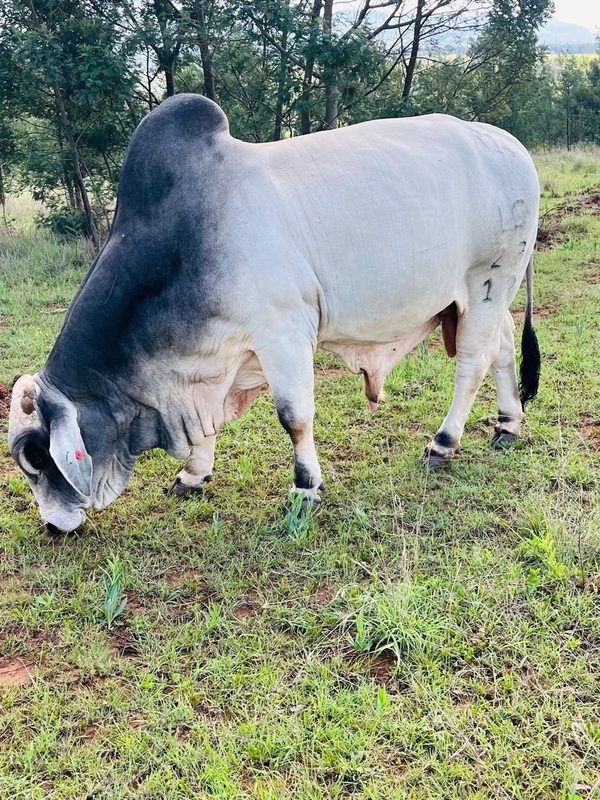
Alongside his crops, Zondo also keeps mixed Brahman and Boran cattle, which he sells at auctions. He says auctions can be tricky for new farmers, who need to learn the language, speed and workings of the market.
He also pays attention to the quality and type of breeds he keeps. In 2024, he bought a bull specifically to improve the genetics of his herd. Looking ahead, Zondo wants to add more meat breeds to his herd to possibly open a butchery that would supply his community with fresh, affordable meat.
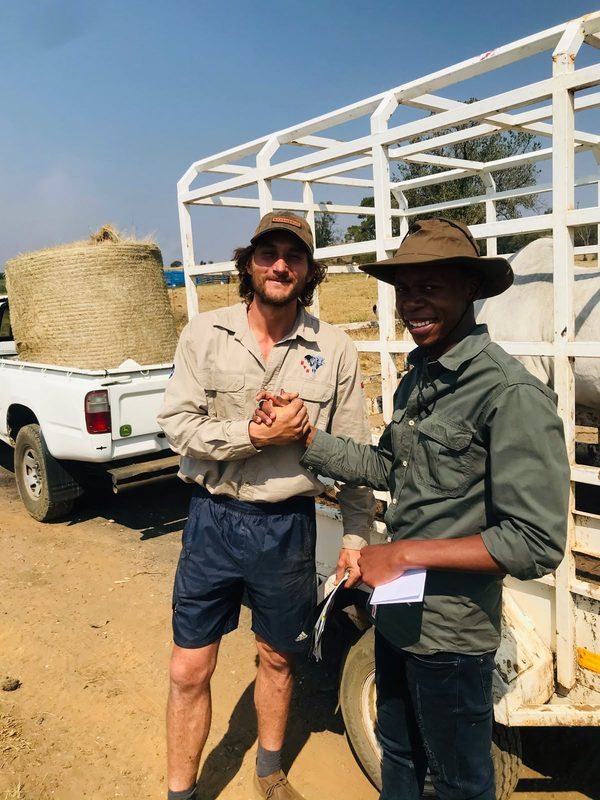
For other farmers, his advice is to build relationships with people who can help them grow. He says being part of a collective gives farmers people to share their struggles, experiences and lessons with.
“And what helps us is a collective of other farmers who know better than us to mentor us through it.”
READ NEXT: Boss lady Nontobeko builds farming legacy for future generations